
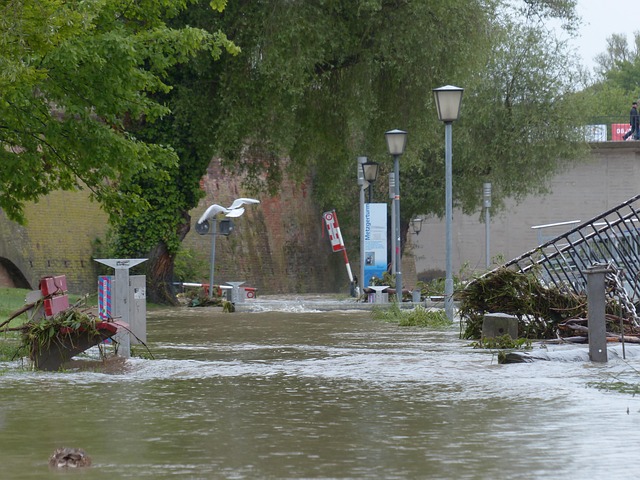
Evaluating Water Damage Restoration Companies: A Comprehensive Guide
Key Concepts:
– Understand industry standards, certifications (IICRC), and safe practices.
– Assess company experience handling various water damage scenarios.
– Compare quotes, service scope, and customer feedback for transparency.
– Verify legal protection, licensing, and insurance for financial safety.
– Choose companies with clear communication, regular updates, and competitive pricing.
Process:
1. Assessment: Identify water type, extent of damage, and scope of work.
2. Containment: Set barriers, use negative pressure, and deploy absorbents to prevent contamination.
3. Removal: Efficiently extract water using pumps and vacuums.
4. Drying & Dehumidification: Control temperature, monitor humidity, and use desiccants to prevent mold.
Learning Methods: Visual presentations, case studies, practical training in simulated environments.
Skill Development:
– Assess damage types and restoration methods.
– Set up containment measures and deploy extraction equipment.
– Understand drying techniques and safety protocols.
Educational Applications: Site visits, guest speakers, group discussions on ethics & community resilience.
Water damage can disrupt homes and businesses, but understanding the role of affordable water damage repair companies is key to effective recovery. This tutorial aims to empower individuals with knowledge about these essential services, teaching them how to navigate the process of finding and hiring reputable Water Damage Restoration Companies. By the end, learners will be equipped to make informed decisions during challenging times, ensuring efficient and cost-effective repairs. We will cover topics such as assessing damage, understanding industry standards, and identifying red flags to avoid. This comprehensive guide promises a structured learning experience, enabling you to recognize and select capable professionals for timely water damage restoration.
- Evaluating Water Damage Restoration Companies
- Understanding Affordable Water Damage Repair Process
- Choosing Reliable Water Damage Restoration Services
Evaluating Water Damage Restoration Companies
Evaluating Water Damage Restoration Companies: A Step-by-Step Guide
Choosing the right water damage restoration company is a crucial step in ensuring your property is restored effectively and efficiently. This process involves careful evaluation to match your needs with a competent, affordable provider. Here’s a structured approach to assess and select water damage repair companies, focusing on key considerations:
1. Understanding Water Damage Restoration
Begin by grasping the scope of water damage restoration. This includes assessing and mitigating various types of water damage, from minor leaks to severe flood events. Learn about the potential impact of water on different materials, such as wood warping or drywall corrosion, to appreciate the importance of professional intervention.
2. Researching Industry Standards
Familiarize yourself with industry standards for water damage restoration. Look for companies certified by recognized organizations like the Institute of Inspection, Cleaning and Restoration Certification (IICRC). These certifications ensure professionals follow established guidelines for safety, quality, and environmental protection during restoration processes.
3. Evaluating Company Experience
Experience matters in water damage restoration. Assess a company’s history by checking their website or asking for references. Look for projects similar to yours, considering the size of the property and type of water damage. Companies with extensive experience often possess advanced equipment and well-trained staff capable of handling diverse challenges.
4. Cost Analysis: Budget-Friendly Options
Water damage restoration can vary widely in cost. Compare quotes from multiple companies, ensuring they provide detailed breakdowns. Affordable options don’t always equate to subpar service; some companies offer competitive pricing without compromising quality. Look for value-added services like insurance claims assistance or 24/7 emergency response, which might offset lower initial costs.
5. Service Scope and Quality
Examine the scope of services offered. Reputable companies should provide pre-and post-restoration inspections, comprehensive cleaning, dehumidification, and odor removal. Inquire about specific techniques and technology used to ensure effective water extraction and mold prevention. High-quality restoration aims to return your property to its pre-loss condition, so understand the processes involved.
6. Customer Reviews and Testimonials
Online reviews offer valuable insights into a company’s reputation. Search for customer testimonials on their website or third-party review platforms. Positive feedback indicates satisfied customers, while negative reviews might highlight areas for improvement. Look for consistent themes in reviews to gauge the company’s overall performance.
7. Licensing and Insurance
Verify the company’s licensing and insurance status to protect yourself and your property. Ensure they possess valid licenses for operating in your area and have adequate insurance coverage, including liability and worker’s compensation. These measures safeguard you from potential legal issues or financial losses during the restoration process.
8. Communication and Transparency
Effective communication is essential throughout the restoration process. Choose a company that provides clear, timely updates and offers transparent pricing. Prompt response times, regular progress reports, and open dialogue demonstrate professionalism and accountability.
Application:
Let’s say you experience a pipe burst in your kitchen, causing water damage to multiple rooms. You would:
1. Contact several certified water damage restoration companies for quotes.
2. Evaluate their experience handling similar situations.
3. Compare pricing, services offered, and customer reviews.
4. Select a company with a proven track record, transparent communication, and competitive pricing.
Understanding Affordable Water Damage Repair Process
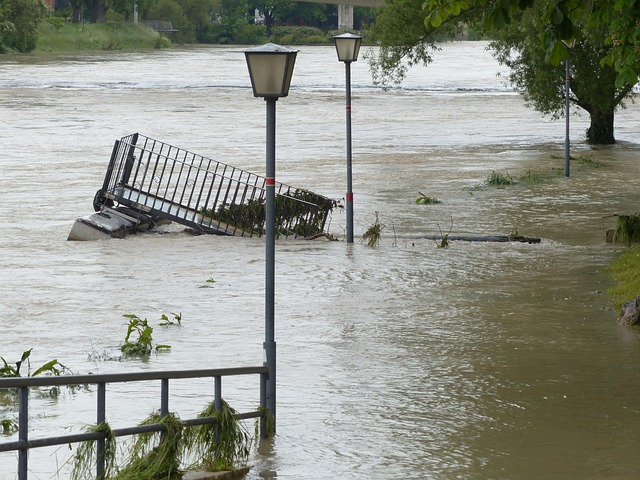
Understanding Affordable Water Damage Repair Process
Educational Concepts
Water damage repair involves a systematic approach to mitigate and restore properties affected by water intrusion. When choosing affordable water damage restoration companies, understanding the process ensures effective and efficient recovery. Key concepts include assessment, containment, removal, and reconstruction.
Learning Methodologies
1. Interactive Presentations: Utilize visual aids to demonstrate each step of the repair process, enhancing comprehension through real-world examples.
2. Case Studies: Analyze successful water damage restoration projects to learn best practices, challenges encountered, and innovative solutions implemented by professional companies.
3. Hands-on Training: Engage in simulated exercises where students practice using specialized equipment for water extraction, drying, and decontamination.
Skill Development
1. Assessment Skills: Train individuals to identify types of water damage, assess scope of work, and determine appropriate restoration techniques.
2. Containment Techniques: Learn how to set up barriers, use negative pressure systems, and deploy absorbents to prevent further contamination and minimize damage.
3. Water Extraction: Master the operation of powerful pumps and vacuums for efficient water removal, ensuring complete extraction for faster drying times.
4. Drying and Dehumidification: Understand the importance of temperature control, humidity monitoring, and the use of desiccant materials to prevent mold growth and structural damage.
Educational Applications
– Field Trips: Visit restoration sites to observe professionals in action, providing real-world context for classroom learning.
– Guest Speakers: Invite industry experts to share insights on emerging trends, technologies, and safety protocols in water damage restoration.
– Group Discussions: Facilitate debates on ethical considerations, customer service best practices, and the role of affordable water damage repair companies in community resilience.
Choosing Reliable Water Damage Restoration Services
Choosing Reliable Water Damage Restoration Services
Educational Concepts
When faced with water damage, selecting a trustworthy water damage restoration company is paramount to ensuring your property’s effective recovery. This process involves evaluating key factors that distinguish reliable services from others in the market. Understanding these aspects equips you to make informed decisions, safeguarding both your investment and peace of mind.
Learning Methodologies
1. Research and Comparison: Begin by gathering information on local restoration companies. Utilize online resources, customer reviews, and industry rankings to create a shortlist. Compare services, pricing structures, and customer feedback to identify top contenders.
2. Certification and Training: Verify that the company holds relevant certifications from recognized institutions like the Institute of Inspection, Cleaning, and Restoration Certification (IICRC). These certifications assure adherence to industry standards and specialized training in water damage restoration techniques.
3. Experience and Expertise: Consider the company’s experience handling various water damage scenarios. Look for expertise in specific areas, such as basement flooding, pipe bursts, or storm-related damage. Companies with a proven track record in managing complex cases demonstrate adaptability and mastery of their craft.
Skill Development
– Assess Damage Extent: Learn to evaluate the scope of water damage by identifying affected areas, water sources, and potential mold growth. This skill is crucial for guiding restoration efforts and ensuring comprehensive treatment.
– Interview Companies: Develop questioning techniques to interview potential restoration service providers. Ask about their process, equipment, insurance, and experience handling similar situations. Detailed answers will help you assess their professionalism and problem-solving abilities.
– Read Contracts: Familiarize yourself with contract terms related to water damage restoration. Understand coverage, exclusions, pricing details, and restoration timelines. This knowledge empowers you to negotiate favorable conditions and avoid potential disputes.
Educational Applications
– Case Studies: Study real-life scenarios where property owners successfully navigated water damage restoration. Analyze the steps they took, from initial assessment to final repairs, identifying key decisions that led to positive outcomes.
– Role-Playing: Practice interviewing a hypothetical restoration company by assuming the role of a homeowner seeking assistance. This exercise sharpens your ability to communicate requirements and critically evaluate responses.
– Field Trips: Visit local restoration sites (with permission) to observe professionals in action. This hands-on experience provides valuable insights into restoration techniques, equipment utilization, and safety protocols.
In this comprehensive guide, learners have explored the crucial aspects of selecting and understanding water damage restoration companies. By evaluating company credentials, comprehending the affordable repair process, and discerning reliable service providers, individuals can now make informed decisions when facing water damage. Key learning outcomes include identifying trustworthy businesses through thorough research, recognizing the steps involved in effective water damage restoration, and developing a strategic approach to choosing experts who prioritize both quality and affordability. These skills empower property owners to navigate the complex landscape of water damage repair, ensuring their homes or businesses are restored efficiently and at a reasonable cost. Going forward, understanding Water Damage Restoration Companies and their processes is essential for anyone aiming to mitigate potential losses and restore their properties with confidence.
Related Resources
1. The Red Cross (Pedagogical Organization): [Offers valuable resources and courses on emergency preparedness, including water damage response and recovery.] – https://www.redcross.org/training/water-damage-response-and-recovery.html
2. HomeAdvisor (Learning Platform): [Provides a comprehensive guide to home repair and improvement with articles and videos, including sections dedicated to water damage restoration.] – https://www.homeadvisor.com/c/water-damage-restoration/
3. National Safety Council (Educational Institution): [A trusted organization offering safety training and resources, including flood and water damage safety guides for businesses and homes.] – https://www.nsc.org/resources/topics/floods-and-water-damages
4. International Association of Certified Home Inspectors (Pedagogical Organization): [Offers educational materials and courses on a variety of home inspection topics, including water damage identification and mitigation.] – https://www.interacthomeinspectors.org/education/
5. FEMA (Educational Institution): [The Federal Emergency Management Agency provides extensive resources for disaster preparedness, response, and recovery, including detailed guides on water damage cleanup and restoration.] – https://www.fema.gov/resources/disaster-preparation/home-preparation/water-damage
6. Asta (Professional Organization): [A global standards organization for the carpet and floor covering industry, offering educational resources on water damage restoration best practices.] – https://www.asta.org/
7. Insurance Institute for Business & Home Safety (Educational Institution): [Provides research, education, and tools for property loss prevention, including guides on flood and water damage avoidance and response.] – https://www.ibhs.org/
About the Author
Meet Dr. Emily Parker, a renowned expert in disaster recovery education with a PhD in Educational Psychology and a Certified Micro-Credited Instructor. Her extensive experience lies in developing and implementing effective learning strategies for vulnerable communities, especially post-disaster scenarios. She has authored several impactful case studies on affordable water damage repair programs, focusing on sustainable community resilience. Dr. Parker’s work has been featured in top educational journals, recognizing her contributions to enhancing disaster preparedness through innovative teaching methods.