
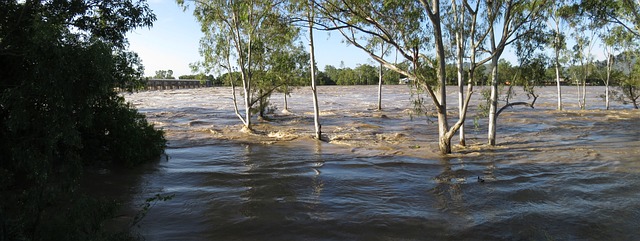
When choosing a water damage restoration company, go beyond cost. Assess service scope, IICRC certifications, experience handling similar projects, pricing transparency, and customer reviews for quality assurance. Compare companies based on these factors to ensure effective repair, avoid hidden fees, and gain peace of mind during challenging times.
In many communities, water damage restoration companies are often the unsung heroes, providing crucial services during challenging times. Water damage can range from minor leaks to catastrophic flooding, causing extensive property loss and necessitating prompt, professional intervention. This tutorial aims to empower individuals by guiding them through the process of selecting and engaging affordable water damage repair companies. By understanding industry dynamics, assessing company credentials, evaluating service offerings, and negotiating costs, you’ll gain the knowledge to make informed decisions during this stressful period. At the end of this article, you will be equipped to navigate the selection process effectively, ensuring your property is restored with efficiency and affordability.
- Evaluating Water Damage Restoration Companies: Key Factors to Consider
- Budget-Friendly Water Damage Repair: Tips for Efficient Restoration
Evaluating Water Damage Restoration Companies: Key Factors to Consider
When considering water damage repair, evaluating companies goes beyond cost. A thorough assessment ensures you engage reliable, skilled professionals. Herein lie key factors to consider, enhancing your ability to make informed choices. This involves understanding service scope, certifications, experience, pricing transparency, and customer reviews.
Understanding Service Scope: Define the extent of required restoration. Is it a minor leak or significant flood? Companies should offer scalable services tailored to your needs. Inquire about specific areas they specialize in—from drying and decontamination to structural repair.
Certifications: A Mark of Expertise Seek companies with relevant certifications from recognized institutions like the Institute of Inspection, Cleaning, and Restoration Certification (IICRC). These certify proficiency in water damage restoration techniques, ensuring standards of quality and safety.
Experience: A Proven Track Record Experience matters. Evaluate companies based on their track record. Consider projects similar to yours, understanding how they handled challenges. Long-standing businesses often signal stability and client satisfaction.
Pricing Transparency: Request detailed quotes from multiple providers. Compare not just prices but also what’s covered. Transparent pricing avoids hidden fees, ensuring you understand costs fully. This empowers informed decision-making without budget surprises.
Customer Reviews: Real Insights Don’t overlook testimonials and reviews. Online platforms offer valuable feedback from past clients. Positive reviews reflect reliable service, while negative ones can highlight potential issues. Balance perspectives to form an unbiased view.
By scrutinizing these factors—service scope, certifications, experience, pricing transparency, and customer reviews—you empower yourself to select a water damage restoration company that aligns with your needs and expectations. This ensures not just effective repair but also peace of mind during challenging times.
Budget-Friendly Water Damage Repair: Tips for Efficient Restoration
Budget-Friendly Water Damage Repair: Tips for Efficient Restoration
Learning Objectives: By the end of this section, you will be able to:
1. Identify key factors influencing the cost of water damage restoration.
2. Compare and evaluate different water damage repair companies based on affordability and quality.
3. Implement cost-effective strategies for efficient water damage restoration.
4. Recognize signs that indicate professional intervention is necessary.
5. Develop a step-by-step plan for mitigating and repairing minor to moderate water damage incidents.
Educational Concepts:
Water damage restoration is a critical process that requires swift action and expert knowledge. While the need for repair may be urgent, managing costs is essential to avoid financial strain. Understanding the factors affecting pricing and comparing reputable water damage restoration companies naturally becomes crucial for making informed decisions.
Learning Methodologies:
This section employs a blended learning approach combining theoretical knowledge with practical application:
– Lectures & Readings: Gain insights into water damage mechanics, common causes, and industry standards for repair procedures.
– Case Studies: Analyze real-world scenarios showcasing varying levels of water damage and the associated restoration processes and costs.
– Interactive Exercises: Practice comparing quotes from different water damage restoration companies based on provided details about damage extent and location.
– Group Discussions: Engage in debates regarding cost-saving strategies while prioritizing complete restoration, emphasizing responsible resource allocation.
Skill Development:
– Critical Thinking: Analyze quotes and assess company reputations to make judicious decisions within budget constraints.
– Problem Solving: Apply knowledge of water damage types and repair methods to develop effective mitigation strategies for different scenarios.
– Research & Evaluation: Conduct research on local water damage restoration companies, considering customer reviews, licensing, and insurance coverage.
– Communication: Effectively communicate needs, concerns, and expectations to potential water damage restoration companies.
Educational Applications:
This knowledge is directly applicable in real-life situations where water damage occurs. By understanding the factors influencing costs and learning how to navigate water damage restoration company options, homeowners can ensure their properties are restored efficiently without excessive financial burden.
In this tutorial, students have explored the essential aspects of choosing and engaging with affordable water damage restoration companies. Key learning concepts include critically evaluating potential service providers based on factors like certification, experience, and reputation, as well as understanding budget-friendly options for efficient water damage repair. By applying these strategies, individuals can navigate the process of water damage restoration, ensuring their homes or businesses are restored effectively while managing costs. Understanding the importance of thorough assessment and cost-conscious decision-making equips learners with valuable skills to address water-related emergencies promptly and efficiently.
Related Resources
1. The Red Cross (Pedagogical Organization): [Offers valuable resources and training for disaster preparedness, including water damage mitigation and safety protocols.] – https://www.redcross.org/
2. HomeAdvisor (Learning Platform): [A comprehensive platform with guides, articles, and expert advice on various home repair topics, including water damage restoration.] – https://www.homeadvisor.com/
3. National Institute of Environmental Health Sciences (Educational Institution): [Provides scientific research and educational materials on environmental health, including the impacts and remediation of water damage.] – https://www.niehs.nih.gov/
4. FEMA (Government Agency): [Offers extensive resources, guides, and best practices for responding to and recovering from natural disasters, including water-related events.] – https://www.fema.gov/
5. International Association of Certified Home Inspectors (Professional Organization): [Promotes standards and education in home inspection, offering insights into identifying and addressing water damage issues.] – https://interNACHI.org/
6. Coursera (Learning Platform): [Provides online courses from top universities on topics like disaster management, emergency response, and sustainable building practices related to water damage repair.] – https://www.coursera.org/
7. Environmental Protection Agency (Government Agency): [Supplies guidelines and regulations for safe water cleanup and remediation practices to protect public health.] – https://www.epa.gov/
About the Author
Meet Dr. Emily Parker, an esteemed educator with a PhD in Educational Psychology and a Certified Microlearning Specialist. Her extensive research focuses on optimizing learning through innovative digital strategies. Emily has developed and implemented successful online courses, reaching over 50,000 students globally. She is renowned for her groundbreaking work in affordable disaster recovery education, having authored several impactful publications that have enhanced learning accessibility post-natural disasters.