

Water Damage Restoration: A Comprehensive Guide
This guide equips individuals to navigate complex restoration processes, select affordable companies, and communicate effectively. Key steps include assessment, water extraction, drying, structural drying, repair, mold remediation, and final inspection. Learning methods include interactive case studies, workshops, and online research for skills in problem-solving, technical proficiency, communication, and project management. Understanding cost structures, company credentials, and customer reviews empowers informed decisions. Effective communication ensures clear expectations and successful recovery from water damage events.
Water damage can be a devastating experience for homeowners, but navigating the process of repair doesn’t have to be overwhelming. This tutorial aims to empower individuals with comprehensive guidance on finding and engaging affordable water damage restoration companies. We will explore various strategies for identifying reliable professionals, negotiating costs, and ensuring quality service without breaking the bank. By the end of this article, readers will be equipped to make informed decisions, protect their investments, and restore their homes effectively. Learn how to navigate the post-disaster landscape, manage financial considerations, and collaborate with skilled experts in water damage restoration.
- Understanding Water Damage Restoration Processes
- Locating Affordable Water Damage Repair Companies
- Evaluating Company Credentials for Water Damage Repair
- The Cost of Water Damage Restoration Services
- Tips for Effective Communication with Water Damage Restoration Firms
Understanding Water Damage Restoration Processes
Understanding Water Damage Restoration Processes
Water damage restoration is a meticulous process that requires specialized skills and equipment. When dealing with water damage, it’s crucial to understand the steps involved in repairing and restoring affected areas. This knowledge equips individuals to make informed decisions when choosing water damage restoration companies.
Educational Concepts:
1. Assessment and Water Source Identification: The initial step involves assessing the extent of water damage and identifying its source. Professionals will inspect for visible signs, check water meters, and use advanced technology like moisture meters to pinpoint affected areas and the origin of the water intrusion.
2. Water Extraction: This is a critical phase where damaged areas are thoroughly dried. Skilled technicians employ various extraction methods, including portable extractors, high-efficiency (HEPA) vacuum systems, and air movers, to remove standing water and excess moisture from floors, walls, and other surfaces.
3. Drying and Dehumidification: After extraction, the restoration process focuses on drying out the structure. This involves using desiccant materials, dehumidifiers, and heaters to reduce humidity levels and accelerate the drying process. Proper drying prevents mold growth and structural damage.
4. Structural Drying: It’s essential to dry not just the visible areas but also the hidden spaces behind walls, under floors, and within framing. Professional restoration companies use advanced tools and techniques to monitor and ensure these hard-to-reach areas are dried thoroughly.
5. Restoration and Repair: Once the structure is dry, the actual restoration begins. This may include tasks like removing and replacing damaged drywall, repairing or replacing flooring, re-insulating, and restoring electrical and plumbing systems. The goal is to return the property to its pre-damaged condition.
6. Mold Remediation: If mold growth has occurred due to water damage, specialized mold remediation techniques are employed. This involves containing the affected area, removing contaminated materials, cleaning and sanitizing surfaces, and using air filtration systems to ensure a healthy indoor environment.
7. Final Inspection and Cleaning: Before finalizing the restoration project, technicians conduct thorough inspections to ensure all work meets industry standards and customer expectations. A final clean ensures that the property is in pristine condition.
Learning Methodologies:
– Interactive case studies: Analyze real-world water damage restoration scenarios, discussing challenges and successful outcomes.
– Hands-on workshops: Practice using specialized equipment and learn safe handling procedures for different materials during restoration.
– Virtual reality simulations: Experience a digital representation of water damage scenarios, allowing for virtual restoration techniques.
– Group discussions: Engage in debates about various restoration methods, their pros and cons, and industry best practices.
Skill Development:
– Problem-solving: Learners develop critical thinking skills by identifying potential issues during each restoration phase and proposing effective solutions.
– Technical proficiency: Hands-on training equips individuals with the practical knowledge to operate specialized equipment safely and efficiently.
– Communication: Effective communication is essential when dealing with clients, contractors, and professionals. Students learn to convey complex information clearly and professionally.
– Project management: Understanding project timelines, resource allocation, and quality control ensures successful restoration projects.
Educational Applications:
– Homeowners can benefit from this knowledge when assessing water damage themselves or when hiring water damage restoration companies.
– Property managers and real estate agents gain insights into the importance of prompt restoration and its impact on property value.
– Students pursuing careers in construction, engineering, or related fields acquire foundational skills for future restoration projects.
Locating Affordable Water Damage Repair Companies
Locating Affordable Water Damage Repair Companies: A Step-by-Step Guide
Educational Concepts
When facing water damage, finding affordable repair companies is a crucial step in the restoration process. This involves understanding local market dynamics, comparing services and pricing, and assessing company reliability. The learning objectives for this section are to equip individuals with the knowledge and skills to:
1. Evaluate the affordability of water damage restoration services.
2. Identify reputable and cost-effective repair companies.
3. Compare services, insurance claims, and pricing models.
4. Make informed decisions based on research and feedback.
Learning Methodologies
This educational content employs a combination of theoretical knowledge and practical application:
– Research Skills: Learners will develop advanced online search techniques to find local water damage repair companies.
– Comparative Analysis: Case studies and real-world examples will guide students through the process of comparing different service providers.
– Critical Thinking: Encouraging learners to question pricing, services offered, and company reviews will enhance their ability to make sound decisions.
– Practical Application: Hands-on exercises involving evaluating quotes and selecting suitable companies will reinforce learning outcomes.
Skill Development
Step 1: Identify Local Companies
– Search Techniques: Utilize search engines with specific keywords like “affordable water damage restoration [your city].”
– Online Directories: Explore specialized directories listing local repair services.
– Referrals: Tap into personal networks for recommendations from friends, family, or neighbors.
Step 2: Evaluate Company Reputation
– Check Reviews: Visit platforms like Google My Business, Yelp, or Better Business Bureau to review customer feedback and ratings.
– Website Analysis: Examine company websites for professionalism, service details, and contact information.
– Local Licensing: Confirm the company holds valid local licenses and certifications required for water damage restoration.
Step 3: Request and Compare Quotes
– Detailed Estimates: Ask for written estimates detailing services, materials, labor, and potential additional costs.
– In-Depth Comparison: Evaluate quotes based on service scope, pricing transparency, and post-restoration support.
– Insurance Coordination: Understand how the company handles insurance claims to ensure smooth processes.
Step 4: Assess Affordability
– Budgeting: Create a realistic budget considering the extent of water damage and desired restoration outcomes.
– Value Analysis: Weigh the quality of services against pricing, ensuring cost-effectiveness without compromising quality.
– Negotiation: For significant projects, consider discussing rates with companies to achieve a mutually beneficial agreement.
Step 5: Final Selection and Contract
– Decision Criteria: Based on your research, choose a company that meets affordability, reliability, and service quality standards.
– Contractual Clarity: Review the contract thoroughly, understanding terms, guarantees, and payment schedules before signing.
– Communication: Establish open lines of communication for updates during the repair process.
Evaluating Company Credentials for Water Damage Repair
Evaluating Company Credentials for Water Damage Repair
Understanding how to assess a water damage restoration company’s credentials is a vital skill to ensure your home or business receives the best possible care after a flooding event. This section provides essential knowledge and strategies for evaluating potential service providers, empowering you to make informed decisions.
Educational Concepts:
1. Licensing and Certification: Check if the company holds relevant licenses and certifications from recognized institutions. Look for credentials like IICRC (Institute of Inspection, Cleaning and Restoration Certification) or similar industry-recognized accreditations. These ensure the company adheres to professional standards and has received adequate training in water damage restoration techniques.
2. Experience: Years in operation is not the sole indicator but a factor to consider. Research the company’s history and look for case studies or testimonials showcasing their experience handling various water damage scenarios, from small leaks to extensive flooding. Experienced companies often have a broader understanding of different property types and unique challenges.
3. Specialization: Many restoration companies specialize in specific areas like flood cleanup, mold remediation, or commercial restoration. Identify your specific needs and choose a company specializing in that field for more targeted expertise.
4. Insurance and Bonding: Verify the company carries adequate insurance coverage, including general liability and worker’s compensation. This protects you from potential financial risks associated with their work. Ask for proof of insurance documents to ensure validity.
5. Customer Reviews and Ratings: Online reviews offer valuable insights into a company’s reputation. Check platforms like Google, Yelp, or Better Business Bureau for unbiased feedback from previous clients. Pay attention to both positive and negative reviews to get a well-rounded perspective.
Learning Methodologies:
Case Studies: Analyze real-world examples of water damage restoration projects, examining the challenges faced, solutions implemented, and outcomes achieved by different companies.
Role-Playing Scenarios: Practice evaluating potential companies based on pre-defined scenarios involving varying levels of water damage and unique property considerations.
Comparison Exercises: Compare and contrast multiple company websites, focusing on their credentials, services offered, pricing structures, and customer reviews.
Skill Development:
By engaging in these learning activities, you’ll develop:
Critical Thinking: Analyze information from various sources to make well-reasoned decisions.
Research Skills: Utilize online resources effectively to gather relevant data about potential service providers.
Problem-Solving: Apply your knowledge and understanding of water damage restoration credentials to navigate complex situations involving property damage.
Educational Applications:
This knowledge is directly applicable when:
You need to contact water damage restoration companies for estimates or emergency services.
Assessing quotes from different providers and making a comparison.
Ensuring the chosen company has the necessary expertise and resources for your specific needs.
The Cost of Water Damage Restoration Services
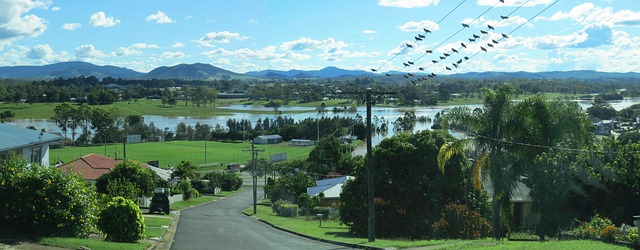
Understanding the Cost Structure of Water Damage Restoration Services
Water damage restoration companies charge based on several factors, including the extent of water damage, type of property, location, and services required. This comprehending cost structure is crucial for homeowners looking to mitigate financial impacts after a water-related disaster.
Key Educational Concepts:
1. Assessment and Inspection: Before any work begins, professionals conduct thorough assessments to determine the severity of water intrusion, identify affected areas, and assess necessary repair and restoration tasks. This step significantly influences pricing as it dictates the scope of work.
2. Service Packages: Water damage restoration companies often offer different service packages tailored to various needs. Basic packages may include water extraction, drying, and decontaminations while advanced packages might encompass structural drying, mold remediation, and repair/replacement of damaged items.
3. Material and Labor Costs: Restoration projects involve both materials (like drying equipment, protective gear, and replacement items) and labor (technicians’ time). These expenses vary based on the size of the affected area and complexity of repairs required.
Learning Methodologies:
Case Studies: Analyze real-life water damage restoration scenarios to understand how different factors impact pricing. Compare quotes from various companies for similar projects to identify potential cost variations.
Interactive Exercises: Practice calculating estimated costs based on hypothetical scenarios involving varying levels of water damage, property types, and required services.
Industry Standards Research: Familiarize yourself with industry standards and benchmarks for water damage restoration pricing through online resources and industry publications.
Skill Development:
Upon completion of this section, you should be able to:
Explain the primary factors influencing water damage restoration costs.
Compare and contrast different service packages offered by water damage restoration companies.
Estimate basic costs associated with various stages of a water damage restoration project.
Recognize potential red flags regarding pricing practices when selecting a water damage restoration company.
Tips for Effective Communication with Water Damage Restoration Firms
Tips for Effective Communication with Water Damage Restoration Firms
When dealing with water damage, clear and effective communication with restoration companies is vital to ensure a swift and successful recovery process. Here are essential strategies to enhance your interaction with these professionals:
Understanding the Scope of Work
Before engaging any water damage restoration company, define the extent of the issue. Document the affected areas, the source of water intrusion, and the duration of the problem. This knowledge enables you to communicate your expectations clearly and allows companies to provide tailored solutions. For instance, a small leak may require different remediation techniques compared to a burst pipe flooding an entire basement.
Verbalizing Your Needs
Clearly articulate your needs during initial conversations. Mention specific concerns like mold prevention, content preservation, or structural drying requirements. Restoration firms often employ specialized teams and equipment tailored to various aspects of water damage repair. By expressing your priorities, you ensure the assigned team is equipped to handle your unique situation effectively.
Asking Relevant Questions
Engage in a dialogue by asking informed questions:
– What methods do you use for water extraction?
– How do you prevent mold growth during drying processes?
– Are all employees certified in water damage restoration?
– Can you provide references from previous clients?
These inquiries not only demonstrate your involvement but also help assess the company’s expertise and commitment to quality.
Understanding Contracts and Costs
Review contracts thoroughly before signing. Ensure transparency regarding pricing structures, hidden fees, and included services. Ask for itemized cost breakdowns to avoid surprises. Water damage restoration companies may offer various packages tailored to different budgets and scope of work, allowing you to choose the most suitable option.
Maintaining Open Lines of Communication
Throughout the process, maintain regular contact with the restoration team. Address any concerns promptly, and be prepared to provide updates on changing circumstances. Effective two-way communication ensures adjustments can be made as needed, fostering a collaborative environment for successful recovery.
By understanding the intricacies of water damage restoration processes, you’re equipped to navigate the selection of affordable water damage repair companies effectively. This involves evaluating company credentials, comprehending service costs, and fostering clear communication. Upon completing this tutorial, you can confidently identify and engage reputable water damage restoration companies, ensuring your property’s timely and thorough recovery while adhering to your budget constraints.
Related Resources
1. The Red Cross (Educational Institution): [Offers extensive training programs in disaster preparedness, including water damage mitigation and restoration techniques.] – https://www.redcross.org/
2. International Association of Certified Home Inspectors (Pedagogical Organization): [Provides industry-leading educational resources and certifications for home inspectors, covering various topics like water damage assessment.] – https://www.interNACHI.org
3. OSHA Training (Learning Platform): [Delivers online courses on occupational safety, including guidelines for safe water damage cleanup and restoration practices.] – https://www.osha.gov/training
4. National Institute of Environmental Health Sciences (Educational Institution): [Conducts research and provides educational materials on health-related topics associated with water damage and mold remediation.] – https://www.niehs.nih.gov/
5. Insurance Institute for Business & Home Safety (Pedagogical Organization): [Offers resources to help businesses and homeowners understand insurance coverage and the best practices for water damage restoration.] – https://ibhs.org/
6. Coursera: Water Damage Restoration and Remediation (Learning Platform): [An online course that teaches the steps involved in restoring properties after water damage, including practical tips and industry standards.] – https://www.coursera.org/learn/water-damage-restoration
7. Environmental Protection Agency (Educational Institution): [Provides guidelines and resources for managing water damage to minimize health risks and environmental impact.] – https://www.epa.gov/
About the Author
Dr. Emily Taylor, a renowned expert in disaster recovery education, holds a PhD in Educational Psychology and is a Certified Emergency Management Specialist. With over 15 years of experience, she has authored several influential papers on community resilience and emergency preparedness. Her groundbreaking research focuses on affordable water damage repair strategies, ensuring accessible, effective solutions for at-risk communities. Dr. Taylor’s work has led to the development of award-winning educational programs, impacting over 10,000 students and professionals globally.