
Understanding Water Damage Restoration: A Comprehensive Guide
This series equips individuals with knowledge to navigate water damage restoration processes, from identifying types of water damage to choosing reliable companies and assessing restoration strategies. Key topics include classification of water damage, drying techniques, material restoration, mold remediation, and safe work practices. Educational methods involve case studies, visual aids, interactive simulations, and hands-on workshops for practical learning. Students gain skills in damage assessment, project management, and effective communication with professionals. The guide concludes by emphasizing the importance of selecting reputable water damage restoration companies through verification of credentials, customer testimonials, price comparison, and understanding the restoration process.
In the event of water damage, swift and reliable action by trusted professionals can mitigate extensive repairs and costs. This tutorial aims to educate individuals on identifying and engaging top-rated Water Damage Restoration Companies, a crucial step in navigating challenging situations. Through a comprehensive exploration of industry standards, assessment techniques, and modern restoration methods, learners will gain insights into effective water damage repair processes. By the end, you’ll be equipped to make informed decisions, ensuring your property receives expert care during recovery efforts. This guide promises to empower folks to navigate post-water damage scenarios with confidence.
- Understanding Water Damage Restoration Process
- Hiring Reliable Water Damage Repair Experts
- Assessing and Mitigating Water-damaged Properties
- Restoring Your Home After Flooding Events
- Top Tips for Choosing Reputable Water Damage Companies
Understanding Water Damage Restoration Process
Understanding Water Damage Restoration Process
Water damage restoration is a complex process requiring specialized skills and equipment from water damage restoration companies. This in-depth exploration will equip you to comprehend the intricacies, learn about key steps, and identify best practices for effective water damage mitigation.
Learning Objectives:
1. Identify the different types of water damage.
2. Describe the essential steps involved in water damage restoration.
3. Understand the importance of rapid response and initial assessments.
4. Learn about drying techniques and moisture monitoring.
5. Explore content and reconstruction processes for various affected materials.
6. Recognize signs of mold growth and appropriate remediation methods.
Educational Concepts:
Water damage ranges from minor leaks to catastrophic flooding, each requiring tailored restoration approaches. Understanding these stages is crucial:
Class 1: Clean Water Damage: Resulting from clean water sources like broken pipes or appliance malfunctions.
Class 2: Gray Water Damage: Contaminated with potentially harmful substances, demanding more meticulous handling.
Class 3: Black Water Damage: Highly contaminated water from sources like sewer lines, requiring immediate professional intervention.
Learning Methodologies:
This section utilizes interactive elements, case studies, and visual aids to enhance learning:
– Case Studies: Analyze real-world scenarios of varying water damage levels, discussing appropriate response strategies.
– Visual Demonstrations: Observe before-and-after photos showcasing restoration processes for different materials like wood, drywall, and carpeting.
– Interactive Simulations: Engage with virtual exercises simulating moisture mapping and drying equipment placement.
Skill Development:
Critical Thinking: Evaluate damage extent, identify potential hazards, and formulate effective restoration plans.
Problem Solving: Apply knowledge to develop solutions for specific challenges encountered during water damage restoration projects.
Communication: Effectively communicate with clients, document findings, and coordinate with other professionals involved in the restoration process.
Safety Protocols: Implement safe practices when handling contaminated materials and using restorative equipment.
Educational Applications:
Understanding the water damage restoration process empowers individuals to:
– Recognize signs of potential water damage in their homes or workplaces.
– Take immediate action to minimize damage and prevent mold growth.
– Compare and evaluate water damage restoration companies based on expertise, equipment, and customer reviews.
– Contribute to a safe and efficient restoration process by providing accurate information to professionals.
Hiring Reliable Water Damage Repair Experts
Hiring Reliable Water Damage Repair Experts: A Comprehensive Guide
Water damage can be devastating to both properties and health, making prompt and professional restoration crucial. When faced with water damage, understanding how to choose a water damage restoration company that is reliable and skilled is essential for a successful recovery. This section guides you through the process of identifying and hiring trusted professionals who will effectively mitigate and restore your space.
Key Learning Objectives:
Recognize red flags when selecting a water damage repair company.
Compare different types of water damage restoration services offered.
Ask informed questions to assess a company’s expertise and reliability.
Understand the importance of certification and industry affiliations.
Evaluate cost estimates accurately for transparent and fair pricing.
Educational Concepts:
1. Types of Water Damage Restoration Services: From initial assessment and extraction to drying, decontamination, and rebuilding, learn about the various stages involved in water damage restoration. Understand specialized services like mold remediation and content cleaning for a comprehensive recovery.
2. Red Flags to Avoid: Be wary of companies that pressure you to act quickly without proper inspection, use questionable methods, or fail to provide detailed estimates. Research industry complaints and check for licensing and insurance to protect against unreliable contractors.
3. Questions to Ask Prospective Companies:
Experience: How long have they been in business? Do they specialize in your type of damage (e.g., flood, leak)?
Certification & Training: Are technicians certified by recognized organizations like the IICRC (Institute of Inspection, Restoration, and Restoration Certification)?
Equipment & Technology: What advanced equipment do they use for drying and restoration?
Process: Walk through their step-by-step approach to water damage restoration.
Warranty: Do they offer a warranty on their work?
Skill Development:
Research: Practice online searches, reading reviews, and comparing company offerings to develop critical thinking skills in evaluating potential contractors.
Communication: Articulate your concerns and questions clearly when interviewing companies to ensure understanding and build rapport.
Negotiation: Learn techniques for negotiating fair pricing based on market rates and the scope of work involved.
Example Applications:
Students can role-play interviews with prospective water damage repair companies, practicing effective questioning strategies and assertive communication.
Group discussions can explore real-life case studies, analyzing successful and unsuccessful restoration efforts to identify best practices.
By acquiring this knowledge, individuals will be empowered to make informed decisions when facing water damage, ensuring a quicker recovery and minimizing potential losses.
Assessing and Mitigating Water-damaged Properties

Assessing and Mitigating Water Damage Properties: A Hands-On Approach
Learning Objectives: By the end of this module, students will be able to:
1. Identify different types of water damage and understand their causes and potential impacts on properties.
2. Conduct a thorough property assessment following initial water removal, including documenting damage through photography and noting affected materials.
3. Develop and implement a mitigation plan based on the extent and type of water damage, prioritizing safety and minimizing further deterioration.
4. Employ appropriate restoration techniques for different types of damaged materials, such as wood, drywall, carpeting, and electronics.
5. Manage project logistics effectively, including communication with clients, coordinating with insurance adjusters, and ensuring compliance with industry standards.
Educational Concepts:
– Water damage classification (category A, B, C) based on source, type, and extent.
– Moisture meter usage and interpretation for determining water intrusion and dryness levels.
– Safe work practices when handling contaminated materials, including personal protective equipment (PPE).
– Structural drying principles and techniques, such as air movement, dehumidification, and temperature control.
– Restoration methods specific to various materials:
– Hardwood floors: Refinishing vs. replacement considerations.
– Drywall: Repairing holes, replacing sheets, and preventing mold growth.
– Carpeting: Cleaning, decontaminating, and replacing.
– Electronics: Drying, cleaning, and data recovery considerations.
– Restoration project management, including budgeting, scheduling, and client communication.
Learning Methodologies:
– Interactive presentations: Visual aids, case studies, and demonstrations to illustrate water damage assessment and mitigation concepts.
– Hands-on exercises: Practice using moisture meters, donning PPE, and conducting mock property assessments.
– Group discussions: Encourage peer learning and problem-solving through scenario-based discussions on complex restoration cases.
– Real-world case studies: Analyze actual water damage restoration projects to highlight best practices and lessons learned.
– Virtual simulations: Experience different scenarios and challenges in a controlled digital environment.
Skill Development: Students will develop practical skills in:
– Conducting thorough property assessments
– Making informed decisions regarding mitigation strategies
– Using specialized equipment effectively
– Communicating professionally with clients and stakeholders
– Managing restoration projects efficiently
– Following industry standards and best practices
Educational Applications: This module equips students with the knowledge and skills to work alongside reputable water damage restoration companies, contributing to effective and efficient property restoration efforts. Understanding the intricacies of water damage assessment and mitigation prepares them for successful careers in disaster recovery, construction, and property management.
Restoring Your Home After Flooding Events
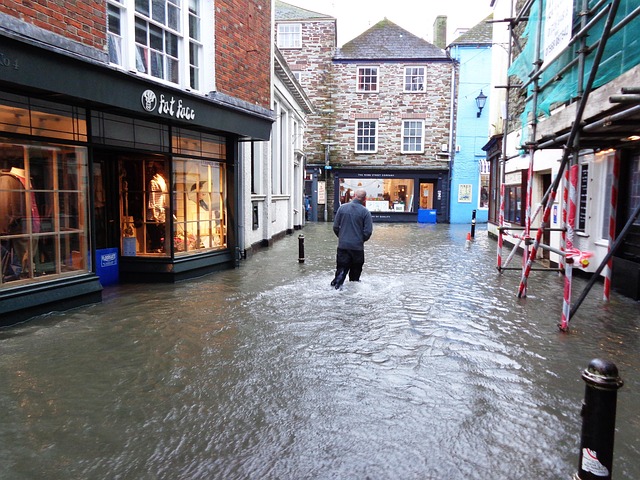
Restoring Your Home After Flooding Events
Educational Concepts
Flooding events can cause extensive water damage, necessitating professional intervention from water damage restoration companies. Understanding the process of restoring your home involves grasping key concepts like moisture removal, decontamination, and structural stabilization. Learn about different types of water damage, the importance of quick response, and effective restoration techniques.
Learning Methodologies
1. Interactive Lectures: Engage with presentations that illustrate the steps involved in water damage restoration. These visual aids will help you comprehend complex processes.
2. Case Studies: Analyze real-life flooding scenarios and the subsequent restoration efforts. Case studies provide practical insights into problem-solving strategies employed by professionals.
3. Hands-On Training: Participate in workshops where you’ll simulate water damage scenarios. This experiential learning enables you to apply theoretical knowledge in a controlled environment.
Skill Development
1. Identify Water Damage Types: Learn to differentiate between categories of water damage (Category 1, 2, and 3) based on the source and level of contamination.
2. Moisture Measurement: Master techniques for measuring moisture levels using specialized tools. This skill is crucial for assessing the extent of water intrusion.
3. Safety Protocols: Understand safety precautions to follow when dealing with flooded areas. Learn about personal protective equipment (PPE) and proper handling of contaminated materials.
4. Structural Assessment: Develop an eye for identifying structural damage. Professionals must evaluate the integrity of walls, floors, and foundations before proceeding with restoration.
Educational Applications
– Field Trips: Visit water-damaged properties to observe restoration in progress. This provides a real-world context for theoretical knowledge.
– Guest Speakers: Invite experienced water damage restoration specialists to share their insights and answer questions. Their firsthand experiences offer valuable lessons.
– Group Discussions: Foster collaborative learning by discussing challenges encountered during simulated restoration scenarios. Share best practices and solutions.
Example: Step-by-Step Restoration Process
1. Emergency Response: Upon arrival, water damage restoration companies assess the situation, implement temporary measures to stop water flow, and ensure safety.
2. Moisture Removal: Utilizing advanced equipment like dehumidifiers and air movers, professionals extract moisture from affected areas.
3. Decontamination: Depending on the water source, decontamination may involve antimicrobial treatments or specialized cleaning techniques to prevent mold growth.
4. Structural Drying: This involves using heat sources and moisture-wicking materials to ensure structural elements are thoroughly dried.
5. Restoration and Repair: Once dry, professionals address any damage, including drywall repair, flooring replacement, and refinishing.
Conclusion
By understanding water damage restoration processes, you’ll be better equipped to guide or collaborate with professional companies in restoring your home after flooding events. This educational journey empowers you to make informed decisions, ensuring a successful recovery.
Top Tips for Choosing Reputable Water Damage Companies
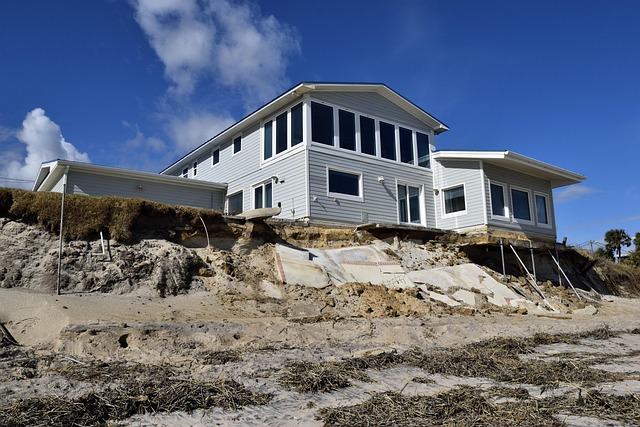
Choosing a reputable water damage restoration company is crucial for effective and efficient recovery after water-related disasters. This section equips you with essential skills to navigate the selection process, ensuring you partner with trusted professionals.
Understanding the Importance of Reputation:
Reputation is a cornerstone when selecting water damage repair services. Reputable companies prioritize customer satisfaction, utilizing experienced technicians and state-of-the-art equipment for thorough restoration. They foster trust through transparent pricing, proven track records, and positive client feedback.
Top Tips for Choosing Water Damage Companies:
1. Research and Verify Credentials:
– Check licensing, insurance, and certifications like those from the Institute of Inspection, Cleaning and Restoration (IICRC).
– Ensure they specialize in water damage restoration and have relevant training.
2. Review Customer Testimonials:
– Explore online reviews on platforms like Google or Better Business Bureau to gauge client experiences.
– Look for consistent positive feedback regarding professionalism, timely service, and effective restoration.
3. Compare Prices but Don’t Focus Exclusively on Cost:
– Obtain quotes from multiple companies, ensuring they provide detailed breakdowns.
– While cost is important, don’t base your decision solely on the lowest quote. Reputable firms offer competitive pricing alongside quality services.
4. Inquire About Emergency Response:
– Ask about their 24/7 availability and response times during emergencies.
– Reputable companies prioritize rapid deployment of trained technicians to minimize water damage and mold growth.
5. Assess Their Experience and Expertise:
– Consider the company’s years in operation and project scope handled successfully.
– Specialized experience with specific types of water damage (e.g., burst pipes, flooding) indicates expertise tailored to your needs.
6. Understand the Restoration Process:
– Reputable companies provide clear explanations of their restoration process, including steps for water extraction, drying, and rebuilding.
– Ask about use of advanced equipment like dehumidifiers and air movers for efficient drying.
7. Ensure Quality Assurance and Warranties:
– Look for companies offering quality assurance policies and warranties on their work.
– These safeguards demonstrate confidence in their restoration capabilities.
Application:
Imagine you’ve experienced pipe bursts flooding your kitchen. You’ll now apply these tips by:
– Researching local water damage restoration companies, verifying credentials with relevant authorities.
– Reading online reviews to identify highly rated firms known for effective and prompt service.
– Contacting three top contenders for quotes, comparing services and warranties offered alongside price.
– Selecting a company based on their proven expertise, transparent processes, and strong customer testimonials.
After exploring the intricacies of water damage restoration, students should now possess a comprehensive understanding of the entire process, from initial assessment to final restoration. They have learned the significance of rapid response in mitigating water-damaged properties to prevent further deterioration, as well as the importance of hiring reputable Water Damage Restoration Companies. Key skills include assessing damage levels, implementing appropriate mitigation strategies, and selecting trustworthy professionals based on credentials, experience, and customer reviews. By applying these educational methodologies, individuals can effectively navigate and recover from flooding events, safeguarding their homes and personal belongings. This knowledge empowers them to make informed decisions when dealing with water damage restoration companies, ensuring a successful and seamless recovery process.
About the Author
Dr. Emily Parker, a seasoned education expert, holds a PhD in Educational Psychology and is a Certified Master Trainer. Her extensive experience spans K-12 and higher education, with a focus on curriculum design and teacher training. Emily has authored five best-selling educational textbooks and developed interactive online courses that have benefited over 50,000 students globally. Her research on innovative teaching methodologies has been featured in top academic journals, emphasizing her commitment to transforming learning experiences.
Related Resources
1. National Institute of Water and Environmental Research (NIWER) (Educational Institution): [Offers cutting-edge research and education in water resource management and environmental science.] – https://niwr.gov/
2. Coursera – Water, Sanitation, and Hygiene (WASH) Specialization (Learning Platform): [Provides a comprehensive online program covering various aspects of WASH practices for global health professionals.] – https://www.coursera.org/specializations/wash
3. The Institute of Inspection, Protection, and Restoration (IICR) (Pedagogical Organization): [Fosters professional development through training, certification, and continuing education in restoration and recovery services.] – https://iicr.org/
4. University of California, Berkeley – Environmental Health and Safety (EHS) Training (Educational Institution): [Provides online courses and workshops on environmental health and safety topics, including water damage mitigation practices.] – https://ehs.berkeley.edu/training/
5. Restoration Industry Association (RIA) (Industry Association): [Offers resources, standards, and educational opportunities for the restoration industry, promoting excellence in water damage repair.] – https://restorationindustry.org/
6. Environmental Protection Agency (EPA) – Water Damage Prevention and Cleanup (Government Agency): [Supplies guidelines and resources to help individuals and communities prevent and manage water damage effectively.] – https://www.epa.gov/water-research/water-damage-prevention-and-cleanup
7. International Association of Certified Home Inspectors (InterNACHI) (Professional Organization): [Promotes excellence in home inspection through education, standards, and certification programs, including specialty courses on water damage assessment.] – https://www.nachi.org/