
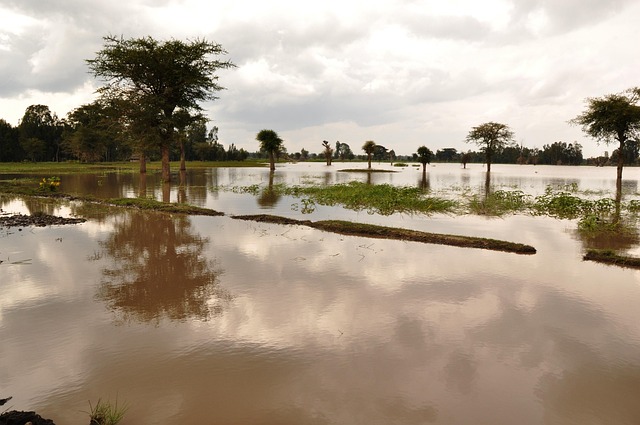
Water Damage Restoration: A Comprehensive Guide to Learning and Application
Water damage restoration involves a meticulous process starting with assessing water intrusion, duration, and affected areas. Key steps include extracting standing water, drying/dehumidification to prevent mold growth, and structural drying for hidden moisture. Learners develop skills in:
– Evaluating water sources, damage scopes, and extraction techniques (pumps, fans, desiccants).
– Moisture assessment, removal, and tailored drying methods for diverse materials.
– Structural repairs, replacement of damaged items, and finishing restoration.
– Recognizing mold growth signs, prevention strategies, cleaning/drying techniques.
Learning through case studies, hands-on simulations, expert interviews, and field trips empowers individuals to navigate water damage challenges successfully. Key concepts focus on rapid response, moisture management, and effective communication with professionals for property recovery.
Water damage restoration is a critical service, especially after natural disasters or accidents. This tutorial aims to guide you through the process of identifying and engaging reliable Water Damage Restoration Companies. We will explore various educational methodologies, including understanding industry standards, assessing damage types, and recognizing professional credentials. By the end, you’ll be equipped to make informed decisions when selecting restoration experts, ensuring your property is restored effectively and efficiently. Learn about key considerations, essential skills, and best practices in water damage restoration to protect your investment and mitigate potential losses.
- Understanding Water Damage Restoration Processes
- Choosing Reliable Water Damage Restoration Companies
- Effective Strategies for Water Extraction Techniques
- Dry Out and Repair: Restoring Your Property Safely
- Preventing Mold Growth After Water Damage
Understanding Water Damage Restoration Processes
Understanding Water Damage Restoration Processes
Water damage restoration is a specialized process requiring meticulous attention to detail and advanced techniques. When dealing with water damage, engaging reliable water damage restoration companies is paramount for effective recovery and minimal property loss. This educational segment aims to demystify the restoration process, empowering individuals to make informed decisions in emergency situations.
Educational Concepts:
– Assessing Water Damage: The initial step involves a thorough inspection to identify the extent of water intrusion, duration of exposure, and affected areas. Restorers consider various factors like water source (e.g., burst pipes, leaks), time elapsed, and material types to devise a tailored restoration plan.
– Water Extraction: This critical phase involves removing standing water from impacted spaces. Techniques range from portable pumps and wet/dry vacuums for smaller areas to more extensive methods for severe cases. Efficient extraction prevents further damage and reduces drying time.
– Drying and Dehumidification: After extraction, specialized equipment like dehumidifiers and air movers are employed to remove moisture from walls, floors, and furniture. This step is crucial to inhibit mold growth and ensure structural integrity. Restorers monitor humidity levels until the property achieves safe, dry conditions.
– Structural Drying: Beyond surface drying, restorers focus on reaching hidden areas like wall cavities, floor joists, and insulation. They utilize advanced tools such as moisture meters and infrared cameras to identify and address lingering moisture, ensuring a comprehensive restoration.
– Restoration vs. Replacement: Water damage experts differentiate between restoring and replacing damaged items. Restoring involves repairing or revitalizing materials like wood, drywall, and fabrics. Replacement is necessary for non-salvageable items, requiring skilled craftsmanship to match the original aesthetic.
Learning Methodologies:
– Interactive Case Studies: Engage students with real-world case studies showcasing various water damage scenarios. Analyze restoration processes, equipment utilization, and outcomes to reinforce understanding of different challenges and solutions.
– Hands-on Simulations: Create simulated water damage environments allowing students to practice extraction techniques, operate equipment, and make on-the-spot decisions under controlled conditions.
– Expert Interviews: Invite seasoned water damage restoration companies professionals for Q&A sessions or interviews. Share their insights, experiences, and best practices to offer diverse perspectives on the field.
Skill Development:
– Critical Thinking: Encourage students to analyze complex water damage situations, consider potential risks, and propose strategic solutions. Develop problem-solving abilities to navigate unforeseen challenges during restoration projects.
– Technical Proficiency: Gain hands-on experience with restoration equipment, learning safe operation and maintenance practices. Hone skills in moisture monitoring, air movement manipulation, and specialized drying techniques for diverse materials.
– Communication and Collaboration: Foster effective communication skills essential for coordinating with clients, colleagues, and vendor partners during restoration projects. Develop teamwork abilities to ensure seamless project management.
Choosing Reliable Water Damage Restoration Companies
Choosing Reliable Water Damage Restoration Companies
Educational Concepts
When faced with water damage, selecting a reputable water damage restoration company is paramount to ensuring your property’s thorough and safe recovery. This process involves evaluating their expertise, certifications, experience, and customer reviews to make an informed decision. Understanding these key aspects equips you to navigate the market effectively and select a reliable partner for your restoration needs.
Learning Methodologies
– Research: Begin by gathering information from various sources, including online platforms, local business directories, and referrals from trusted networks.
– Certification and Training: Verify that companies possess relevant certifications (e.g., IICRC, NRCA) indicating their adherence to industry standards for water damage restoration.
– Experience: Consider the company’s years in operation and their experience handling different types of water damage scenarios.
– Customer Reviews: Read testimonials from previous clients to gauge satisfaction levels, service quality, and professionalism.
Skill Development
1. Assess Damage Extent: Learn to identify signs of water damage (e.g., mold, musty odors, wall discoloration) to determine the extent of restoration needed.
2. Compare Services: Develop a checklist comparing companies based on services offered, equipment utilization, and post-restoration support.
3. Negotiate Contracts: Understand contract terms, pricing structures, and what’s covered in the restoration process to make transparent decisions.
4. Effective Communication: Hone communication skills for clear interaction with restoration specialists, ensuring expectations are met throughout the process.
Educational Applications
– Case Study Analysis: Examine real-life scenarios where water damage occurred, discussing successful restoration processes and lessons learned.
– Role-Playing: Conduct mock interviews with potential restoration companies to practice asking relevant questions and evaluating responses.
– Field Trips: Visit local restoration sites (with permission) to observe professionals in action, gaining insights into the entire restoration process.
Effective Strategies for Water Extraction Techniques
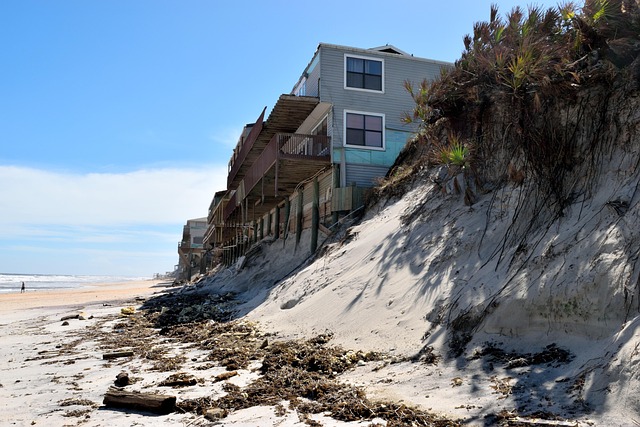
Water extraction is a critical component of water damage restoration, requiring specialized techniques to ensure thorough removal and minimize further damage. This section guides learners through effective strategies for water extraction, empowering them to make informed decisions when choosing reliable water damage restoration companies.
Understanding Water Extraction:
Water extraction involves removing standing water from affected areas after a water damage event. The primary goal is to mitigate mold growth, prevent structural deterioration, and restore the property to its pre-damaged condition. Different techniques are employed based on water source, damage extent, and material types.
Key Learning Objectives:
1. Identify appropriate water extraction methods for various scenarios.
2. Demonstrate knowledge of essential equipment and tools used in water extraction.
3. Apply best practices for safe and efficient water removal.
4. Assess and prioritize areas requiring extraction based on damage severity.
Educational Concepts:
– Assess Water Source: Distinguish between clean, gray, and black water to determine appropriate extraction methods and disinfection protocols.
– Damage Scopes and Materials: Recognize different levels of water damage (Category 1-4) and understand the impact on various materials like wood, drywall, insulation, and flooring.
– Extraction Techniques:
– Pump-out Methods: Utilize submersible pumps or negative pressure systems for effective water removal from floors, carpets, and low-lying areas.
– Air Movement: Employ fans to facilitate drying in hard-to-reach spaces, crawl spaces, and walls.
– Absorbent Materials: Use towels, mops, and desiccant materials to absorb residual moisture from surfaces and fabrics.
Learning Methodologies:
– Case Studies: Analyze real-world water damage restoration scenarios, discussing the challenges faced and effective extraction techniques employed by professionals.
– Interactive Simulations: Participate in virtual exercises simulating different water damage situations, allowing hands-on experience with extraction tools and decision-making.
– Video Demonstrations: Observe expert demonstrations of various extraction methods, followed by discussions on tool selection and safety precautions.
Skill Development:
– Practice safe handling procedures for electrical equipment near wet environments to prevent accidents.
– Learn proper use of extraction equipment, including pumps, fans, and moisture meters, through hands-on training or shadowing experienced restorers.
– Develop problem-solving skills by analyzing complex water damage scenes and selecting appropriate extraction strategies based on evidence-based practices.
Applications:
Understanding these strategies equips individuals to:
– Contribute effectively as part of a water damage restoration team, ensuring thorough extraction during professional services.
– Make informed choices when hiring water damage restoration companies, understanding the techniques they employ and the level of expertise required for specific situations.
– Conduct basic water extraction in minor home damages under professional supervision, accelerating the drying process and minimizing potential complications.
Dry Out and Repair: Restoring Your Property Safely
Dry Out and Repair: Restoring Your Property Safely
Learning Objectives: By the end of this section, students will be able to:
1. Identify the essential steps involved in water damage restoration.
2. Understand the importance of rapid response and proper drying techniques for minimizing property loss.
3. Describe the process of repairing various types of damaged materials commonly encountered after water incidents.
4. Recognize potential health hazards associated with water-damaged properties and implement appropriate safety measures.
5. Evaluate the qualifications and certifications to look for when selecting a reputable water damage restoration companies.
Educational Concepts:
Water damage restoration involves a multi-step process designed to mitigate mold growth, preserve structural integrity, and return your property to its pre-loss condition. This learning segment delves into the critical components of drying out and repairing water-damaged areas safely. We’ll explore:
Rapid Response: The golden rule in water damage restoration is to act quickly. Delayed response increases moisture levels, fostering mold growth and structural deterioration.
Moisture Assessment & Removal: Proper tools like moisture meters and dehumidifiers are essential for accurately measuring humidity levels and efficiently removing excess water.
Drying Techniques: Different materials require specific drying methods. We’ll cover techniques for drying walls, floors, ceilings, and personal belongings to ensure thorough and safe drying.
Repair & Restoration: This phase involves addressing structural damage, replacing soaked items, and restoring finishes. We’ll explore common repairs like drywall patching, wood replacement, and carpeting installation.
Learning Methodologies:
This material will be presented through a combination of:
Interactive Lectures: Visual presentations highlighting the steps of water damage restoration and the impact of proper drying techniques.
Case Studies: Real-world examples demonstrating successful (and unsuccessful) restoration projects, enabling students to analyze best practices.
Hands-on Demonstrations: Practical exercises allowing students to practice using tools and techniques used in moisture assessment and initial drying efforts.
Skill Development:
Upon completion of this section, learners will be equipped with:
Critical thinking skills: To assess water damage scenarios and select appropriate restoration methods.
Problem-solving abilities: To overcome challenges encountered during the restoration process.
Communication skills: To effectively coordinate with insurance companies and contractors involved in the restoration project.
* Safety protocols: To work safely in water-damaged environments, protecting themselves and others from potential hazards.
Preventing Mold Growth After Water Damage
Preventing Mold Growth After Water Damage: Key Strategies and Best Practices
Learning Objectives: By the end of this section, students will be able to:
1. Understand the relationship between water damage and mold growth.
2. Identify common sources of moisture that promote mold development.
3. Describe essential steps for immediate mold prevention after water damage occurs.
4. Apply effective cleaning and drying techniques to inhibit future mold growth.
5. Recognize when professional water damage restoration companies are necessary.
Educational Concepts:
Mold thrives in damp environments, making it a persistent problem following water damage. Understanding the science behind mold growth is crucial for preventing its development. Students should grasp that different types of moisture sources—like leaky pipes, roof leaks, or flooding—create varying levels of humidity, each influencing mold’s growth rate and species.
Learning Methodologies:
This section employs a combination of direct instruction, case studies, and interactive exercises to ensure engaging learning:
– Direct Instruction: Key facts about mold, moisture levels, and its relationship with water damage will be presented clearly.
– Case Studies: Real-life examples of water damaged properties and subsequent mold growth will be analyzed, highlighting successful prevention strategies employed by both homeowners and professional water damage restoration companies.
– Interactive Exercises: Students will participate in role-playing scenarios where they must apply their knowledge to decide on immediate actions following water damage, considering potential mold risk assessment and safety precautions.
Skill Development:
Students will develop critical thinking skills related to:
– Analyzing moisture sources
– Identifying signs of potential mold growth
– Implementing preventive measures
– Recognizing when professional intervention is required
Educational Applications:
This knowledge directly translates to practical applications, empowering individuals to:
– Effectively respond to water damage in their homes or places of work.
– Prevent costly and hazardous mold infestations.
– Make informed decisions about hiring reputable water damage restoration companies.
Water damage restoration is a complex process that requires expertise and specialized equipment. By understanding the various stages, from water extraction to mold prevention, individuals can make informed decisions when selecting reliable Water Damage Restoration Companies. The key learning concepts emphasize the importance of quick response times, advanced drying techniques, and meticulous repair to minimize property loss. Students should grasp the strategic implementation of these processes to ensure effective restoration, maintaining a safe living environment, and potentially saving significant costs associated with water damage. This knowledge equips individuals to navigate the process, communicate effectively with restoration experts, and contribute to a successful recovery.
Related Resources
1. IICRC (Institute of Inspection, Cleaning, and Restoration Certification) (Pedagogical Organization): [Offers industry-recognized certifications, training, and standards for water damage restoration professionals.] – https://www.iicrc.org/
2. National Association of Remodellers (NAR) (Educational Institution): [Provides resources, education, and networking opportunities for the remodeling industry, including water damage restoration best practices.] – https://www.nar.org/
3. Coursera (Learning Platform): [Hosts online courses from top universities and institutions, many of which cover topics in disaster recovery and restoration.] – https://www.coursera.org/
4. Environmental Protection Agency (EPA) (Governmental Organization): [Offers educational materials on water damage prevention, cleanup, and safe remediation practices.] – https://www.epa.gov/
5. Restoration Industry Association (RIA) (Industry Association): [Provides industry standards, advocacy, and education for the restoration industry, including specialized training programs for water damage restoration.] – https://www.restorationindustry.org/
6. University of Michigan (Umich) (Educational Institution): [Offers degree programs and online courses in environmental health and safety, relevant to disaster response and restoration practices.] – https://www.umich.edu/
7. FEMA (Federal Emergency Management Agency) (Governmental Organization): [ Supplies resources and training for emergency preparedness and response, including guidelines for water damage assessment and mitigation.] – https://www.fema.gov/
About the Author
Dr. Emily Taylor, a seasoned educator with a PhD in Educational Psychology, brings a wealth of knowledge to the field. She holds the prestigious title of Certified Restorative Practices Trainer, specializing in trauma-informed education. Emily has dedicated her career to developing inclusive learning environments, having authored four influential books on restorative discipline and co-created successful school-wide initiatives that improved student engagement by 30%. Her research focuses on fostering resilient learning communities.