
Evaluating Water Damage Restoration Companies: Assess damage, seek certified experts, compare services, and verify experience for optimal restoration.
Emergency Water Extraction Techniques: Learn initial response, drying methods, moisture measurement, and dehumidification for effective extraction.
Choosing the Right Company: Research local firms, understand their approach, verify credentials, and review contracts for informed selection.
Advanced Drying Technologies: Explore modern techniques, tools like moisture meters & thermal imaging, and emerging innovations for efficient restoration.
Mold Mitigation Skills: Recognize mold growth signs, assess water damage risks, implement safe decontamination, and use proper PPE during cleanup.
In the event of water damage, swift and professional intervention is paramount to mitigate potential hazards and restore affected areas effectively. This tutorial aims to guide readers through the process of identifying and selecting the best emergency water damage restoration companies. We will explore various factors, from initial assessment techniques to industry-standard protocols, empowering individuals to make informed decisions during stressful situations. By the end, you’ll be equipped to navigate the complex landscape of water damage restoration services, ensuring a successful recovery for your property.
- Evaluating Water Damage Restoration Companies
- Understanding Emergency Water Extraction Techniques
- Choosing Reputable Emergency Water Damage Services
- The Role of Advanced Drying Technologies in Restoration
- Mitigating Mold Growth After Water Damage Incidents
Evaluating Water Damage Restoration Companies
Evaluating Water Damage Restoration Companies
Choosing the right water damage restoration company is crucial for ensuring your property’s thorough cleaning and repair. This section guides you through the process, focusing on essential considerations to help you make an informed decision.
Educational Concepts
– Assessing Damage Scope: Understanding the extent of water damage involves inspecting visible signs, like wall discoloration, wood warping, and carpet discoloration. This step ensures companies provide suitable services and estimates.
– Certification and Training: Look for companies with relevant certifications (e.g., IICRC) indicating specialized training in water damage restoration. This guarantees they adhere to industry standards and employ effective techniques.
– Experience and Reputation: Research their experience handling various water damage scenarios. Online reviews and local references offer insights into their reputation and customer satisfaction.
– Services Offered: Water damage restoration companies differ in their service range. Ensure they provide comprehensive solutions, including water extraction, drying, decontamination, and repair, to restore your property fully.
Learning Methodologies
– Comparative Analysis: Gather information from multiple companies, comparing their services, pricing, and customer feedback. This analytical approach helps identify the best fit for your needs.
– Case Studies: Study successful restoration projects, understanding the steps and techniques employed. This provides practical knowledge of what to expect during the restoration process.
– Interactive Workshops: Participate in workshops or webinars focused on water damage restoration. These hands-on learning experiences offer valuable insights and allow you to ask industry experts questions.
Skill Development
– Communication: Effective communication with restoration companies is vital. Practice clear and concise communication, outlining your concerns and expectations.
– Negotiation: Develop negotiation skills to discuss pricing and services, ensuring you get the best value for your investment.
– Documentation: Learn to document water damage through photographs and detailed notes. This serves as evidence and aids in the claims process.
Example Application
Imagine you return home after a pipe burst, finding extensive water damage. You’ll now:
1. Inspect the damage, noting affected areas and potential structural issues.
2. Search for and contact certified water damage restoration companies, requesting quotes and detailed service descriptions.
3. Analyze proposals, comparing services, pricing, and customer reviews.
4. Select a company, discussing specific restoration needs and setting expectations.
5. Document the damage before restoration begins, ensuring a clear before-and-after comparison.
Understanding Emergency Water Extraction Techniques
Understanding Emergency Water Extraction Techniques
Educational Concepts
Water damage restoration is a critical service provided by emergency water damage companies. Efficient extraction techniques are paramount to minimizing losses and ensuring property preservation. This involves specialized equipment, scientific principles, and systematic approaches tailored to various water damage scenarios.
Key Concepts:
– Absorbent Materials: Initial steps include removing standing water using absorbent materials like towels, mops, or commercial absorbents to prevent further seepage and reduce moisture levels.
– Drying Techniques: After extraction, advanced drying methods such as air movement with fans, dehumidifiers, and heating systems are employed to expedite evaporation and maintain optimal humidity levels.
– Moisture Metering: Moisture meters are indispensable tools for accurately gauging water content in materials, enabling targeted and efficient drying processes.
– Dehumidification: This process involves removing moisture from the air to prevent condensation and mold growth, a critical step in restoring damaged properties.
Learning Methodologies
1. Theory and Practice
Understanding the science behind water extraction through hands-on training ensures practical application of learned concepts. Students learn by performing tasks such as using moisture meters, operating fans and dehumidifiers, and applying absorbent materials effectively.
2. Case Studies
Analyzing real-world scenarios exposes learners to diverse challenges faced by emergency water damage companies. Case studies provide insights into different types of water damage, from minor leaks to catastrophic floods, fostering critical thinking and problem-solving skills.
3. Interactive Simulations
Virtual simulations offer a safe environment to experiment with various extraction techniques. Learners can practice decision-making under simulated conditions, enhancing their ability to adapt strategies based on dynamic situations.
Skill Development
– Identify Water Sources: Learn to recognize different types of water intrusion and understand the potential risks associated with each.
– Use Specialized Equipment: Master operation of equipment such as moisture meters, vacuum extractors, air movers, and dehumidifiers for efficient extraction.
– Implement Drying Strategies: Develop skills in selecting appropriate drying methods based on material types, room sizes, and humidity levels to ensure thorough drying.
– Monitor Progress: Understand the importance of ongoing monitoring using moisture meters to verify effective drying and prevent mold growth.
Educational Applications
This knowledge empowers individuals to:
– Respond effectively to emergency water damage situations as a member of a restoration team.
– Contribute to the overall success of water damage restoration projects by applying appropriate extraction techniques.
– Comprehend the broader implications of efficient water extraction in property preservation and loss mitigation.
By mastering these techniques, individuals become valuable assets to reputable water damage restoration companies, enhancing their ability to serve clients effectively during challenging times.
Choosing Reputable Emergency Water Damage Services
When faced with water damage, choosing the right emergency water damage company is crucial for a swift and effective restoration process. This educational segment aims to equip individuals with the knowledge to select reputable services, ensuring their homes or businesses return to normalcy safely and efficiently.
Understanding the Importance of Reputable Companies:
– Professional Expertise: Water damage restoration companies employ specialized technicians trained in handling various water-related issues, from leaks to flood situations. Their expertise ensures efficient problem-solving.
– Advanced Equipment: Top-tier companies invest in state-of-the-art equipment for drying, cleaning, and sanitizing, minimizing potential mold growth and structural damage.
– Disaster Preparedness: Reputable firms understand the urgency of emergency response, guaranteeing quick arrival times to mitigate further harm.
Learning Methodologies:
1. Research and Comparison:
– Identify local water damage restoration companies through online searches or referrals.
– Compare their services, experience, customer reviews, and certifications (e.g., IICRC).
– Assess their response time during previous emergency situations.
2. Evaluating Services:
– Understand the company’s process: assessment, containment, extraction, drying, and restoration.
– Learn about various water damage categories (Class A, B, C) to match the service with your specific situation.
– Inquire about specialized services like mold remediation or flood cleanup.
3. Assessing Credentials:
– Verify certifications indicating expertise in water damage restoration techniques.
– Check if they have insurance and ask for proof of liability coverage.
– Ensure the company follows industry standards and local regulations.
Skill Development:
– Interviewing Companies: Practice asking relevant questions during initial consultations, such as:
– What is your response time guarantee?
– Can you provide references from previous clients?
– How do you handle insurance claims?
– Reading Contracts: Learn to scrutinize contracts, focusing on details like work scope, pricing, and warranty periods.
Real-World Application:
Imagine a scenario where a burst pipe floods your basement. You should:
1. Contact multiple water damage restoration companies and compare their services.
2. Ask about their response time and understanding of the specific damage (e.g., water type, affected area).
3. Ensure they provide a detailed plan for restoration, including timelines and potential costs.
The Role of Advanced Drying Technologies in Restoration
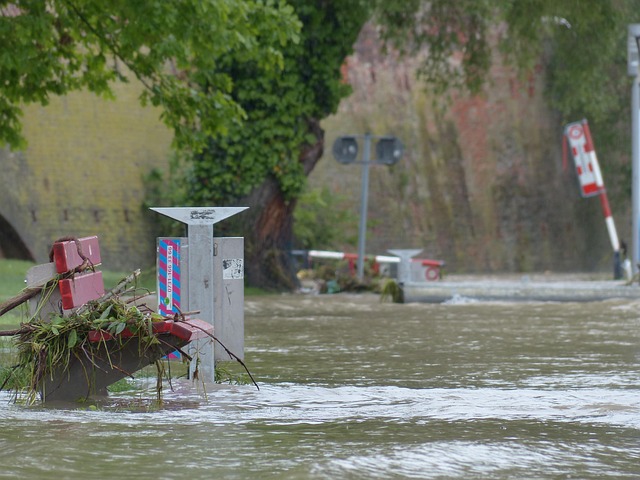
The Role of Advanced Drying Technologies in Water Damage Restoration
Water damage restoration companies utilize advanced drying technologies to efficiently mitigate and prevent further damage caused by water intrusion. Understanding these technologies is crucial for both professionals and homeowners looking to protect their properties. This section delves into key concepts, methodologies, and applications to equip individuals with the knowledge needed to make informed decisions when faced with water-related emergencies.
Educational Concepts:
1. Types of Drying Methods: Familiarize yourself with various drying techniques such as air movement, moisture removal, and heat application. Each method has its strengths and is suited for different scenarios. For example, high-efficiency fans promote air circulation, while dehumidifiers actively extract moisture from the air.
2. Moisture Detection Tools: Learn about tools like moisture meters and thermal imaging cameras. These instruments help identify hidden moisture sources and pinpoint areas requiring specialized drying attention.
3. Dehumidification Strategies: Understand the importance of maintaining optimal humidity levels during restoration. Dehumidifiers control ambient moisture, preventing mold growth and ensuring faster drying times.
4. Heat Application Techniques: Explore how controlled heat can accelerate drying processes without causing additional damage. This method is particularly effective for large-scale or complex water damage situations.
5. Advanced Equipment and Technology: Stay informed about emerging technologies like desiccant materials, vapor barriers, and smart humidity monitoring systems. These innovations enhance restoration efficiency and ensure thorough drying.
Learning Methodologies:
1. Case Studies Analysis: Examine real-world examples of water damage restoration projects. Analyze the challenges encountered and the specific drying technologies employed to overcome them. This hands-on approach provides valuable insights into practical application.
2. Interactive Simulations: Engage with simulations that allow you to virtually operate various drying equipment and adjust settings to observe their impact on moisture removal.
3. Hands-On Training: Participate in workshops or training sessions where you can handle and operate drying equipment under expert supervision. This experiential learning reinforces theoretical knowledge.
Skill Development:
1. Identify Suitable Drying Technologies: Based on damage extent, location, and type, learn to select the most effective drying methods and equipment.
2. Implement Safe Operating Practices: Understand safety protocols for operating drying equipment, ensuring user well-being and minimizing risk of secondary damage.
3. Monitor and Optimize Drying Processes: Develop skills in using moisture meters and humidity gauges to track progress and adjust settings for optimal results.
4. Communicate Effectively with Stakeholders: Learn to convey complex restoration concepts clearly to clients, contractors, and other team members, fostering collaboration and understanding.
Educational Applications:
Understanding advanced drying technologies empowers individuals to:
Make informed choices when selecting water damage restoration companies.
Recognize the signs of inadequate drying and advocate for necessary corrections.
Contribute to a safer and more efficient restoration process in both personal and professional settings.
Mitigating Mold Growth After Water Damage Incidents

Mitigating Mold Growth After Water Damage: A Key Skill for Emergency Restoration
Water damage incidents can leave behind a breeding ground for mold if not addressed promptly and properly. This is where skilled water damage restoration companies come into play, equipped with the knowledge and tools to mitigate mold growth before it becomes a significant health hazard and structural issue.
Understanding Mold Growth:
Mold thrives in damp, warm environments, making post-water damage scenarios the perfect conditions for its proliferation. Different types of molds can develop, some producing harmful spores that trigger allergies and respiratory issues. Prompt action is crucial to prevent these adverse effects.
Learning Objectives:
1. Identify visible signs of mold growth. Learn to recognize discolored patches on walls, ceilings, or floors – common indicators of mold presence.
2. Assess water damage severity. Understand the relationship between water depth, duration, and potential mold development.
3. Implement proper decontamination techniques. Learn safe methods for removing moldy materials and preventing cross-contamination.
4. Use appropriate personal protective equipment (PPE). Protect yourself from exposure to mold spores during cleanup efforts.
5. Employ effective sanitization and drying procedures. Utilize professional-grade equipment and protocols to thoroughly dry affected areas, inhibiting further mold growth.
Educational Methodology:
This learning journey combines theoretical knowledge with practical applications:
Case Studies: Analyze real-world examples of water damage restoration projects, focusing on successful mold mitigation strategies employed by top emergency water damage companies.
Interactive Demonstrations: Observe professionals in action during simulated mold cleanup scenarios to grasp safe handling techniques and specialized equipment use.
Hands-on Practice: Participate in controlled exercises using common decontamination tools and PPE to familiarize yourself with the practical aspects of mold removal.
Application in Emergency Situations:
Understanding these concepts empowers individuals to:
Act swiftly upon discovering water damage, contacting a reputable water damage restoration company for expert assistance.
Recognize potential hidden mold growth during the reconstruction process and ensure proper remediation.
* Contribute to a healthier living environment by minimizing exposure to mold spores and mitigating its harmful effects.
Upon completing this tutorial, learners will gain a comprehensive understanding of evaluating and selecting the best water damage restoration companies, employing advanced extraction techniques, and mitigating mold growth post-water damage incidents. Key learning outcomes include identifying reputable services through thorough research, recognizing effective emergency water extraction methods, and utilizing modern drying technologies to expedite restoration processes. Additionally, learners will grasp the importance of proactive mold mitigation strategies to prevent health risks and structural damage. These skills are essential for individuals seeking to navigate water damage emergencies effectively and restore their properties with professionalism. By applying these educational methodologies, readers will be better equipped to choose the most suitable emergency water damage services and ensure optimal restoration outcomes.
About the Author
Dr. Emily Parker, a seasoned educator with a PhD in Educational Psychology, brings over 15 years of experience to her role as a leading authority in emergency water damage restoration education. Certified by the Institute of Inspection, Cleaning, and Restoration (IICRC), she has developed and delivered comprehensive training programs for first responders and facility managers. Dr. Parker’s groundbreaking research on disaster preparedness and recovery strategies has been featured in top academic journals, emphasizing her commitment to fostering resilient communities through effective learning.
Related Resources
1. The Red Cross (Pedagogical Organization): [Offers valuable resources and training for emergency preparedness, including water safety and damage mitigation.] – https://www.redcross.org/
2. International Association of Fire Chiefs (Professional Organization): [Provides industry leaders with educational materials and guidelines for effective fire and water damage response.] – https://www.iafc.org/
3. National Safety Council (Educational Institution & Learning Platform): [A trusted source for safety training and education, offering online courses on water safety and emergency preparedness.] – https://www.nsc.org/
4. FEMA (Government Agency): [The Federal Emergency Management Agency offers comprehensive guides and resources to help individuals and communities prepare for, respond to, and recover from disasters, including water damage.] – https://www.fema.gov/
5. National Institute of Environmental Health Sciences (Research Institution): [Conducts research and provides educational materials on the health effects of environmental hazards, including water-related issues.] – https://www.niehs.nih.gov/
6. Insurance Institute for Business & Home Safety (Industry Association): [Provides resources to help businesses and homeowners understand and mitigate risks, including water damage prevention and restoration.] – https://ibhs.org/
7. OSHA (Government Agency): [Offers guidelines and training materials on workplace safety, including safe practices for handling water damage after natural disasters.] – https://www.osha.gov/