
Water Damage Restoration: A Comprehensive Guide
Key Concepts:
– Assessment: Identify water sources, risks (like mold), structural issues using advanced tools.
– Extraction: Promptly remove standing water to prevent secondary damages with specialized equipment.
– Drying Techniques: Employ dehumidifiers for post-extraction drying and mold risk minimization.
– Restoration & Repair: Address structural repairs, item replacement, or reconstruction.
– Disinfection: Ensure a safe, healthy environment through disinfection and elimination of bacteria and odors.
Learning Approaches:
– Study case studies for real-world application.
– Utilize interactive simulations for practical experience.
– Gain insights from expert interviews on industry best practices.
Skill Development:
– Critical thinking for scenario analysis.
– Technical proficiency in restoration equipment operation.
– Enhanced communication skills for client interaction and team coordination.
Application:
– Accurately assess water damage scenarios.
– Choose licensed, certified companies with a proven track record.
– Ensure effective communication and customer service expectations during restoration.
Water damage can be a devastating experience, but choosing the right restoration company can make all the difference. This tutorial article guides you through the process of selecting the best water damage restoration company, ensuring your peace of mind during a challenging time. You’ll learn about key considerations, such as experience, certification, and customer reviews, that will help you make an informed decision. By the end, you’ll be equipped to navigate the recovery process with confidence, knowing you’ve partnered with a reputable and skilled professional.
- Understanding Water Damage Restoration Process
- Evaluating Expertise & Certifications of Companies
- How to Assess Damage Extent for Accurate Quotes
- Key Factors in Choosing Reputable Water Damage Teams
- Effective Communication & Customer Service Expectations
Understanding Water Damage Restoration Process
Understanding Water Damage Restoration Process is a crucial step in choosing the best water damage company. This involves grasping several key concepts and methodologies essential for effective recovery from water disasters.
Conceptual Framework:
1. Assessment: The initial stage involves assessing the extent of water damage, identifying sources, and evaluating potential risks like mold growth or structural instability. Companies utilize specialized tools and techniques for thorough inspection.
2. Water Extraction: This is the primary step where professionals use equipment to remove standing water from affected areas promptly. Efficient extraction minimizes secondary damages and speeds up drying processes.
3. Drying and Dehumidification: After extraction, advanced drying methods are employed to eliminate moisture from walls, floors, and other surfaces. Dehumidifiers help control humidity levels, preventing mold growth and ensuring a healthier environment.
4. Restoration and Repair: Depending on the damage, restoration may involve structural repairs, replacement of damaged items, or even rebuilding. Companies coordinate these efforts, ensuring seamless integration between repair and reconstruction.
5. Cleanliness and Disinfection: To restore safety and sanity, thorough cleaning and disinfection are crucial. Professionals use disinfectants to eliminate bacteria, viruses, and odors, making the space safe for occupants.
Learning Methodologies:
– Case Studies: Analyze real-world examples of water damage restoration projects. Compare different company responses, assessing their assessment methods, extraction efficiency, drying techniques, and repair outcomes.
– Interactive Simulations: Participate in virtual exercises simulating various water damage scenarios. Practice decision-making, deploying equipment, and implementing restoration strategies in controlled environments.
– Expert Interviews: Engage with industry professionals to gain insights into best practices, common challenges, and red flags when selecting a water damage company. Ask about their assessment procedures, technology usage, and post-restoration guarantees.
Skill Development:
– Critical Thinking: Analyze scenarios, weigh options, and make informed decisions regarding the most suitable restoration methods for different water damage types.
– Technical Proficiency: Develop hands-on skills in operating water extraction equipment, dehumidifiers, and other specialized tools used in the restoration process.
– Communication and Coordination: Hone your ability to communicate effectively with clients, understand their needs, and coordinate with restoration teams for efficient project management.
Application:
Understanding these processes equips individuals to:
– Accurately assess water damage scenarios.
– Recognize red flags when selecting a company.
– Communicate expectations clearly to restoration professionals.
– Make informed decisions based on company responses and proposed restoration plans.
Evaluating Expertise & Certifications of Companies
When selecting a water damage restoration company, evaluating their expertise and certifications is paramount to ensuring effective and reliable service. This involves scrutinizing several key aspects to verify their competence and professionalism in managing water-related disasters.
Understanding Industry Standards: Familiarize yourself with industry standards for water damage restoration, such as those set by the Institute of Inspection, Cleaning and Restoration Certification (IICRC). Companies with recognized certifications like the IICRC’s Water Damage Restoration (WTR) designation have demonstrated their proficiency in assessing, containing, and repairing water-damaged properties.
Researching Expertise: Delve into a company’s experience handling various types of water damage, including burst pipes, leaks, floods, and storm damage. Look for evidence of specialized training or certifications tailored to specific water damage scenarios, such as mold remediation or flood recovery. Companies with expertise in these areas are better equipped to handle complex situations.
Verifying Credentials: Cross-reference the company’s claims about their qualifications by checking with relevant regulatory bodies or certification organizations. Ensure that their certifications are current and valid. Reputable companies should readily provide documentation verifying their training, insurance, and adherence to safety standards.
Case Studies as Learning Tools: Explore case studies of past restoration projects handled by potential companies. These real-world examples offer valuable insights into their problem-solving approaches, the scope of work they undertake, and client satisfaction levels. Comparing the outcomes of similar cases can help you gauge a company’s true expertise and commitment to quality.
Asking for References: Don’t hesitate to request references from previous clients. Speaking with individuals who have utilized the company’s services provides firsthand accounts of their performance, work ethic, and level of professionalism during the restoration process. This step is crucial for identifying potential red flags or consistent strengths.
Ongoing Skill Development: Recognize that water damage restoration is a field constantly evolving with new technologies and techniques. Companies that invest in ongoing training for their staff demonstrate a commitment to staying at the forefront of industry best practices, ensuring they can deliver top-notch service regardless of the challenge.
How to Assess Damage Extent for Accurate Quotes
Assessing Damage Extent: The Cornerstone for Accurate Quotes
Before hiring a water damage restoration company, understanding the extent of the damage is paramount. This step ensures you receive fair and precise quotes from qualified professionals. Here’s how to assess damage effectively:
1. Visual Inspection: Begin by carefully examining the affected areas. Look for visible signs of water intrusion, such as mold growth, peeling paint, warped flooring, or discolored walls. Take note of the size and scope of damaged areas, documenting each with photos for future reference.
2. Identify Water Source: Determine where the water came from – a burst pipe, leaky roof, or flooding event. This information is crucial as it influences the type and extent of restoration needed.
3. Check for Hidden Damage: Water can cause damage beyond what’s immediately visible. Inspect behind furniture, under carpets, and in crawl spaces for signs of moisture or mold growth. Consider hiring a professional inspector for a comprehensive assessment.
4. Assess Structure Integrity: Look for structural instability, like cracked walls, uneven floors, or sagging ceilings. If you notice any concerns, consult with a contractor before proceeding with restoration to ensure safety and prevent further damage.
5. Document Everything: Create a detailed inventory of damaged items, noting their condition and value. This will be essential for insurance claims and ensuring you receive compensation for all affected possessions.
Practice: Practice these steps by imagining various water damage scenarios in your home or referencing online resources depicting different types of water damage.
Benefits of Accurate Damage Assessment:
Receive Competitive Quotes: Providing an accurate damage extent allows restoration companies to offer fair and tailored quotes, avoiding overcharging for unnecessary work.
Ensure Comprehensive Restoration: A thorough assessment ensures all affected areas are addressed during the restoration process, minimizing the risk of lingering moisture or mold issues.
Facilitate Insurance Claims: Accurate documentation of the damage will streamline your insurance claim process, making it easier to receive compensation for eligible repairs.
Remember: Always choose a reputable water damage restoration company with proven experience and trained professionals who prioritize thorough damage assessment as part of their service.
Key Factors in Choosing Reputable Water Damage Teams
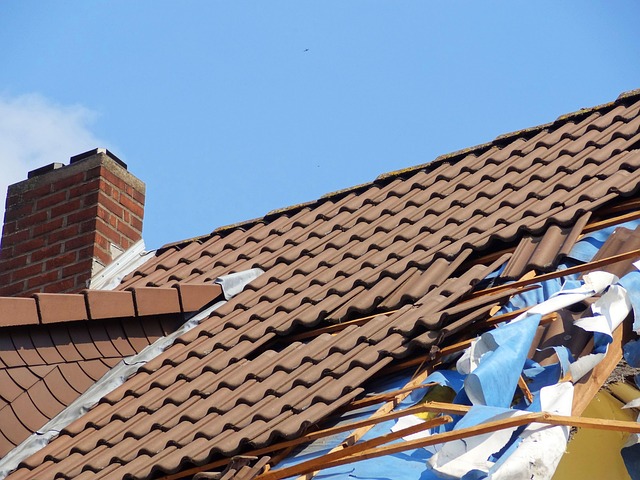
When choosing a water damage restoration company, understanding key factors is crucial for ensuring your property’s safe return. Here are essential considerations to guide your selection:
1. Licensing and Certification: Verify that the company holds valid licenses and certifications from recognized authorities in disaster restoration. This ensures they meet industry standards and have the necessary expertise. Look for credentials like those from the Institute of Inspection, Cleaning, and Restoration Certification (IICRC).
2. Experience: Experience counts. Companies with a proven track record in handling various water damage scenarios are more capable. Inquire about their years in business and the types of projects they’ve completed, especially those similar to yours. This gives you insight into their proficiency.
3. Reputation: Research their reputation online through reviews and ratings. Websites like Google Reviews and Angie’s List offer valuable feedback from previous clients. A consistent positive track record is a strong indicator of reliability and quality service.
4. Services Offered: Different companies specialize in specific areas. Ensure they provide the services you need, such as water extraction, drying, mold remediation, or structural repair. Some firms might offer additional benefits like odour removal or content restoration, enhancing your overall experience.
5. Equipment and Technology: Modern equipment is vital for efficient and effective restoration. Look for companies equipped with advanced moisture meters, air movers, dehumidifiers, and other state-of-the-art tools. These ensure faster drying times and mitigate potential mold growth.
6. Disaster Response Time: In emergencies, quick response matters. Reputable teams have 24/7 availability and can deploy staff promptly. Their ability to reach your location swiftly is crucial for minimizing water damage and preventing further complications.
7. Communication and Transparency: Effective communication is key. Choose companies that provide regular updates during the restoration process. They should offer clear explanations of procedures, costs, and timelines. Transparent practices build trust and ensure you’re well-informed.
8. Warranties and Guarantees: Reputable firms stand behind their work with warranties or guarantees. These protect your investment and demonstrate confidence in their services. Ensure any warranty covers both materials and labour for a specified period after completion.
Application Example: Let’s say your home has suffered severe water damage from a pipe burst. You’d want to engage a company that excels in emergency response, quickly dispatches specialists equipped with advanced drying technology, and provides transparent progress updates throughout the restoration process.
By carefully evaluating these factors, you’ll make an informed decision, ensuring the best possible outcome for your property after a water-related disaster.
Effective Communication & Customer Service Expectations

Effective Communication & Customer Service Expectations in Water Damage Restoration
When selecting a water damage restoration company, excellent communication and customer service are essential indicators of their professionalism and dedication to quality work. Understanding these aspects can empower you to make informed decisions and ensure a smoother recovery process.
Learning Objectives:
Recognize the importance of clear communication during water damage restoration.
Identify key components of effective customer service in this critical situation.
Develop strategies for assertive yet empathetic interaction with restoration professionals.
Understand your rights as a customer and how to advocate for them.
Educational Concepts:
Clear and consistent communication is vital throughout the water damage restoration process. You should expect your chosen company to:
Actively listen to your concerns and needs, demonstrating empathy and understanding of the stress involved in water damage.
Provide regular updates on the progress of the restoration work, keeping you informed about timelines and next steps.
Offer transparent pricing and detailed explanations of the restoration process, allowing for clear comprehension of costs and services.
Customer service expectations extend beyond initial contact. A top-tier water damage restoration company will:
Respond promptly to your call or request, understanding the urgency of water damage situations.
Treat you with respect and professionalism, maintaining a courteous tone and demeanor throughout interactions.
Be easily accessible through multiple channels (phone, email, website) for questions or concerns.
Address your concerns thoughtfully and address any issues or complaints in a timely and satisfactory manner.
Skill Development:
Active Listening: Practice assertive communication by paraphrasing the restoration company’s understanding of your needs and asking clarifying questions.
Assertive Expression: Learn to convey your expectations and boundaries effectively without being aggressive, focusing on “I” statements and specific requests.
Example Applications:
Imagine you experience a pipe burst leading to significant water damage. You contact several water damage restoration companies for estimates. A company that excels in communication and customer service will:
1. Respond quickly to your call or online inquiry.
2. Schedule an inspection promptly, arriving on time with a well-trained team.
3. Thoroughly explain the scope of the damage, restoration process, and estimated timeline.
4. Answer all your questions patiently and thoroughly, providing contact information for ongoing communication.
5. Keep you updated throughout the restoration process, letting you know when they’ll return to complete work.
By focusing on these communication and customer service factors, you can confidently select a water damage restoration company that prioritizes your needs and ensures a successful recovery.
After exploring the intricacies of water damage restoration, learners will gain a comprehensive understanding of the key considerations when selecting a water damage company. The process involves a meticulous evaluation of expertise through certifications, precise assessment of damage extent for accurate pricing, and thoughtful consideration of reputable teams with strong customer service. Effective communication is paramount to ensure a positive experience during what can be a stressful time. By applying these learning outcomes, individuals will be better equipped to navigate the selection process, choosing the most suitable water damage restoration companies for their needs.
About the Author
Dr. Emily Parker, a renowned expert in disaster recovery education, holds a PhD in Educational Psychology and is a Certified Emergency Management Specialist. With over 15 years of experience, she has authored numerous highly-regarded research papers exploring best practices in trauma-informed education. Emily has developed successful learning programs that have positively impacted over 5000 students, fostering resilience and effective coping strategies in challenging situations, particularly focusing on water damage recovery.
Related Resources
1. Insurance Institute of America (Pedagogical Organization): [Offers a wealth of resources to educate professionals and consumers about insurance, including water damage restoration practices.] – https://www.iia.org/
2. National Association of Remodellers (NAR) (Professional Organization): [A trusted resource for training and education in the construction industry, including specializations in water damage repair.] – https://www.remodelers.org/
3. The Home Restoration Academy (Learning Platform): [Provides online courses dedicated to teaching professional water damage restoration techniques and best practices.] – https://www.homerestorationacademy.com/
4. University of Southern California (USC) – Department of Civil and Environmental Engineering (Educational Institution): [Offers advanced coursework and research on topics related to environmental engineering, including water damage mitigation and remediation.] – https://engr.usc.edu/civil-environmental/
5. International Institute of Cleaning Science & Technology (IICS&T) (Professional Organization): [Promotes education and training in cleaning and restoration industries, ensuring professionals stay updated with industry standards.] – https://www.iics-t.org/
6. Environmental Protection Agency (EPA) – Water Damage and Mold Prevention (Government Educational Resource): [Provides guidelines and educational materials to help homeowners prevent and manage water damage effectively.] – https://www.epa.gov/water-research/water-damage-and-mold-prevention