
Water Damage Restoration: A Comprehensive Overview
Water damage restoration involves a systematic approach with key stages: assessment, water removal/drying, mold remediation, structural drying, and restoration/repairs. Education includes case studies, demonstrations, and virtual tours for learning methods, focusing on restoration techniques, critical thinking, and problem-solving.
Choosing Restoration Companies: Key Factors
Select reliable water damage restoration companies based on experience, certifications (IICRC), modern equipment, disaster response time, pricing transparency, warranties, and excellent communication.
Educational Program: Water Damage Restoration Skills
An educational program equips students with skills in water damage assessment, removal methods, drying technologies, mold prevention/remediation, and advanced techniques. Hands-on learning through case studies, exercises, and workshops fosters comprehensive understanding.
Moisture Testing Techniques for Professionals
Moisture testing is crucial for identifying invisible water sources, preventing mold and structural damage. Key tools include moisture meters, hygrometers, thermal imaging cameras, and sampling for lab analysis. Data interpretation skills enable effective restoration strategies.
Step-by-Step Water Damage Recovery Guide
Water damage recovery involves assessment, containment, removal, drying, restoration, quality assurance, and adherence to industry standards. Case studies, simulations, and discussions enhance learning with real-world examples and best practices.
In the wake of natural disasters or leaks, water damage restoration companies play a vital role in mitigating losses and repairing homes. This tutorial aims to guide you through the process of evaluating Water Damage Restoration Companies, empowering you to make informed decisions when facing water-related crises. By the end, you’ll understand key aspects such as assessment methods, restoration techniques, and factors to consider when choosing a company. Through interactive case studies and practical tips, you’ll gain the knowledge needed to navigate this complex landscape effectively, ensuring your property is restored to its pre-damaged condition.
- Understanding Water Damage Restoration Process
- Evaluating Water Damage Restoration Companies
- Best Practices for Efficient Restoration
- Moisture Testing & Inspection Techniques
- Restoring Your Property: Step-by-Step Guide
Understanding Water Damage Restoration Process
Understanding Water Damage Restoration Process
Water damage restoration is a critical process that involves several steps to ensure thorough cleaning and repair after water intrusion. This comprehensive guide aims to educate individuals on the intricacies of water damage restoration, enabling them to make informed decisions when selecting water damage restoration companies. By understanding the process, you can assess the effectiveness of restoration work and ensure your property is safely restored.
Educational Concepts:
1. Assessment and Water Source Identification: The initial step involves a thorough inspection by professionals who identify the water source, extent of damage, and affected areas. This critical phase determines the appropriate restoration methods.
2. Water Removal and Drying: Efficient removal of standing water is essential to prevent mold growth and structural damage. Advanced equipment like pumps and dehumidifiers are used to expedite drying processes.
3. Mold Remediation: If moisture levels remain high, mold can quickly develop. Restoration experts employ specialized techniques and products to remove and prevent mold growth, ensuring a safe environment.
4. Structural Drying and Monitoring: This involves using tools to measure moisture levels in walls, floors, and other structures. It ensures that every area is properly dried, minimizing the risk of future damage.
5. Restoration and Repairs: Once drying is complete, restoration begins. This includes repairing or replacing damaged items, restructuring, and restoring the property to its pre-loss condition.
Learning Methodologies:
– Interactive case studies presenting real-world water damage scenarios will help students understand practical applications.
– Hands-on demonstrations of equipment and techniques by industry professionals offer valuable insights.
– Virtual tours of restored properties can showcase the transformation process.
Skill Development:
– Students will gain knowledge of various restoration methods and their applications.
– Critical thinking skills will be enhanced through analyzing different water damage scenarios.
– Problem-solving abilities will improve as students learn to identify potential issues and propose solutions.
Example Application:
Imagine a home affected by a burst pipe, leading to extensive water damage. Students can study the restoration process, from initial assessment and water extraction to mold prevention, structural drying, and final repairs. This practical understanding equips them to evaluate restoration work and communicate effectively with water damage restoration companies.
Educational SEO Keywords: Water Damage Restoration Companies, Water removal techniques, Mold remediation processes, Structural drying methods, Property restoration, Emergency water extraction
Evaluating Water Damage Restoration Companies
Evaluating Water Damage Restoration Companies
Choosing a water damage restoration company is crucial when facing flooding or leaks. This section equips you with essential skills to assess and select reliable professionals. Understanding key factors ensures your property receives top-notch care, minimizing further damage and promoting efficient recovery.
Key Aspects to Evaluate:
1. Experience and Reputation: Research companies specializing in water damage restoration. Check online reviews from previous customers to gauge their reputation for excellence and customer satisfaction. Look for consistent positive feedback regarding timely service, skilled technicians, and effective restoration processes.
2. Certification and Training: Reputable companies prioritize staff training and certification. Verify if they hold valid certifications from recognized organizations such as the Institute of Inspection, Cleaning, and Restoration Certification (IICRC). This ensures your service providers are well-versed in industry best practices for water damage mitigation and restoration.
3. Equipment and Technology: Modern technology plays a vital role in efficient water removal and drying. Inquire about the types of equipment they use, such as industrial fans, dehumidifiers, and water extraction machines. Up-to-date tools indicate a company’s commitment to delivering high-quality service and ensuring faster recovery times.
4. Disaster Response Time: During emergencies, quick response matters. Evaluate companies’ average response time during peak hours and off-peak periods. A well-prepared team should be able to provide 24/7 services, ensuring prompt action to prevent mold growth and structural damage.
5. Pricing Transparency: Cost estimates vary among restoration companies. Request detailed, itemized quotes from several providers to understand pricing structures. Compare costs while considering the scope of work, materials used, and guarantees offered. Transparent pricing builds trust and allows you to make informed decisions.
6. Warranties and Guarantees: Reputable firms stand behind their work with warranties or guarantees. Understand what these cover—such as re-inspection, remediaation of recurring issues, or replacement of restored items—to ensure peace of mind post-restoration.
7. Communication and Customer Service: Effective communication is vital during the restoration process. Look for companies that offer clear, consistent updates, listen to your concerns, and respond promptly to questions or changes in scope. A professional approach fosters trust and ensures a satisfying experience.
Application in Practice:
Imagine you’ve experienced pipe burst flooding in your kitchen. You begin by gathering online reviews of local water damage restoration companies. After narrowing down options based on positive feedback and certifications, you contact each company to inquire about their response time, equipment, and pricing. During site visits, observe technician professionalism, ask for detailed estimates, and ensure clear communication channels are established throughout the restoration process.
By applying these evaluation criteria, you’ll be better equipped to select a trustworthy water damage restoration company tailored to your specific needs.
Best Practices for Efficient Restoration
Learning Objectives:
1. Understand the key principles of efficient water damage restoration.
2. Identify best practices for effective water removal and drying.
3. Learn how to assess and mitigate mold growth potential after water damage.
4. Develop skills in communication, documentation, and customer service for water damage restoration companies.
5. Apply industry-standard tools and equipment for comprehensive restoration.
Educational Concepts:
1. Water Damage Assessment and Classification:
– Learn to classify water damage based on its source (e.g., burst pipes, flooding) and extent (categorical rating system). This understanding guides restoration strategies.
2. Rapid Water Removal Techniques:
– Explore efficient methods for water extraction, including submerging, vacuuming, and professional pumps. Quick action minimizes secondary damage.
3. Advanced Drying Technologies:
– Study the use of dehumidifiers, air movers, and moisture meters to ensure thorough drying. Proper techniques prevent mold growth and structural issues.
4. Mold Prevention and Remediation:
– Gain insights into mold development after water damage. Learn protocols for assessing, containing, and removing mold to restore indoor air quality.
Learning Methodologies:
– Case Studies: Analyze real-world restoration projects, discussing challenges and successful outcomes.
– Hands-on Training: Participate in practical exercises using equipment and techniques for water removal and drying.
– Industry Standards Review: Study national and international guidelines for water damage restoration to ensure compliance.
– Interactive Workshops: Engage in group discussions, role-playing scenarios, and Q&A sessions with experienced professionals.
Skill Development:
– Develop proficiency in using moisture detection tools to identify hidden water sources.
– Master communication techniques to effectively explain processes and expectations to clients.
– Learn documentation best practices for detailed record-keeping during restoration projects.
– Gain experience operating various restoration equipment, ensuring safe and efficient use.
Example Application:
Imagine a scenario where a water damage restoration company receives a call about a basement flood. Students will apply their knowledge by:
– Assessing the situation, categorizing the damage, and developing a restoration plan.
– Implementing rapid water removal techniques while documenting progress.
– Using advanced drying equipment to ensure all affected areas are restored safely.
– Monitoring and addressing potential mold concerns post-restoration.
Moisture Testing & Inspection Techniques
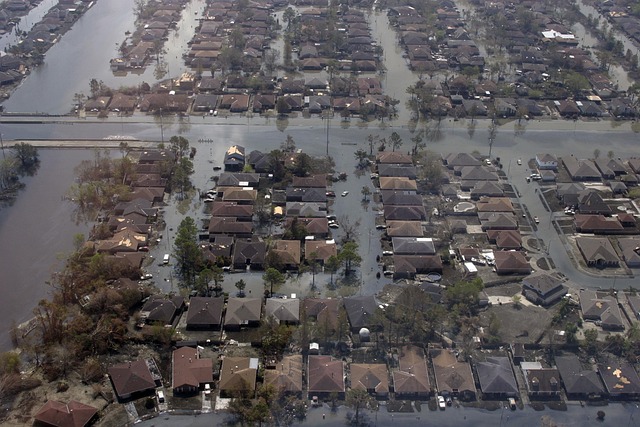
Moisture Testing & Inspection Techniques for Water Damage Restoration Companies
Learning Objectives
Upon completion of this section, you will be able to:
1. Understand the importance of moisture testing in water damage restoration.
2. Identify and describe various moisture testing and inspection techniques used by professional restoration companies.
3. Apply these techniques to accurately assess moisture levels in affected areas.
4. Interpret test results to guide effective restoration processes.
5. Implement best practices for ensuring accurate and efficient moisture management.
Educational Concepts
Water damage restoration involves more than just drying out a space. Moisture, often invisible, can linger long after visible water sources are removed. Unaddressed moisture leads to mold growth, structural degradation, and poor air quality—all posing significant health risks. Therefore, thorough moisture testing is crucial for effective restoration.
Learning Methodologies
Theoretical Knowledge
– Moisture Sources: Understand common sources of moisture in buildings, such as leaks, humidity, condensation, and overflows.
– Impact of Moisture: Learn about the adverse effects of prolonged moisture exposure on materials, indoor air quality, and occupant health.
– Regulations & Standards: Familiarize yourself with industry standards (e.g., IICRC S500) governing water damage restoration and moisture testing.
Practical Application
– Moisture Testing Equipment: Gain hands-on experience with various tools like moisture meters, hygrometers, thermal imaging cameras, and moisture content testers.
– Sampling Techniques: Learn how to collect representative samples from different surfaces (e.g., drywall, insulation, flooring) for laboratory analysis.
– Data Interpretation: Develop skills in analyzing test results, identifying anomalies, and interpreting moisture levels in different materials.
Skill Development
Moisture Testing Techniques
1. Moisture Metering: Use pinless or needle-type moisture meters to non-invasively measure moisture content in materials. Calibrate and interpret readings accurately.
2. Hygrometry: Employ hygrometers to monitor relative humidity levels, helping identify condensation and mold growth potential.
3. Thermal Imaging: Utilize thermal imaging cameras to visualize temperature variations indicative of hidden moisture problems.
4. Air Quality Testing: Conduct air quality assessments using instruments that detect volatile organic compounds (VOCs) and mold spores associated with moist environments.
Inspection Protocols
1. Visual Inspection: Perform thorough visual assessments to identify visible signs of water damage, mold growth, or structural deterioration.
2. Moisture Mapping: Create detailed maps of affected areas, pinpointing moisture-prone zones based on test results and historical data.
3. Progress Monitoring: Regularly retest areas throughout the restoration process to ensure drying progress and verify the effectiveness of remediation efforts.
Educational Examples & Applications
– Case Study: Commercial Building Leaks
– Apply moisture testing techniques to a recently leaked roof in a commercial office building. Use data to demonstrate the extent of water penetration, identify affected areas, and guide restoration priorities.
– Laboratory Analysis:
– Collect samples from various materials (e.g., drywall, insulation) after a pipe burst. Analyze lab results to determine moisture levels, types of damage, and appropriate remediation strategies.
– Real-Time Monitoring:
– Employ handheld devices during a restoration project to continuously monitor moisture levels as work progresses. Adjust restoration plans based on real-time data.
Conclusion
Mastering moisture testing and inspection techniques empowers water damage restoration companies to deliver superior services, protect client properties, and ensure occupant health and safety. By understanding the science behind moisture, professional restorers can make informed decisions, employ effective strategies, and achieve optimal outcomes in every project.
Restoring Your Property: Step-by-Step Guide
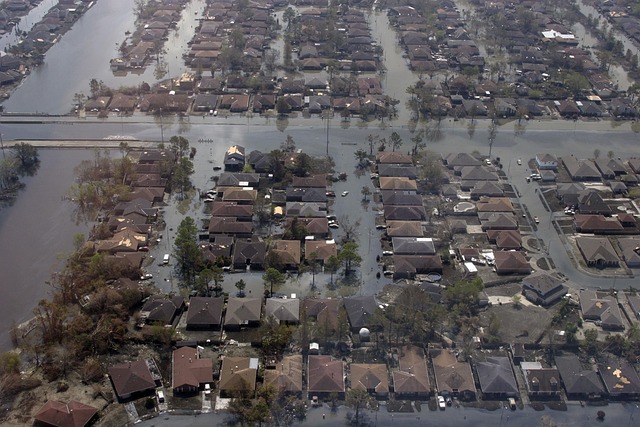
Restoring Your Property: Step-by-Step Guide
Understanding Water Damage Restoration
Water damage can significantly impact your property, from structural integrity to personal belongings. This is where professional water damage restoration companies step in, offering specialized services for effective recovery and repair. The process involves several critical steps to ensure comprehensive restoration.
1. Assessment: Experts begin by thoroughly assessing the affected area, identifying water sources, and evaluating extent of damage. This includes checking for hidden moisture or structural weaknesses.
2. Containment: Once assessed, a containment strategy is implemented. This involves setting up barriers to prevent further contamination and contain the damaged area, ensuring safety for restoration workers and inhabitants.
3. Removal: The next step is removal of damaged materials. This includes water extraction using advanced equipment and removing soaked items like carpets, furniture, or drywall. Every effort is made to preserve salvageable possessions.
4. Drying: After removal, the primary focus shifts to drying out the property. Professional restoration companies employ state-of-the-art dehumidifiers and air movers to expedite drying, preventing mold growth and structural issues.
5. Restoration: Depending on the damage, restoration can involve a range of services: from repainting and remodeling to repairing or replacing flooring, cabinets, and electrical systems. The goal is to restore your property to its pre-loss condition.
6. Quality Assurance: Throughout the process, water damage restoration companies adhere to strict industry standards and perform quality assurance checks. This ensures that every step of restoration meets or exceeds expectations.
Learning Applications:
1. Case Study Analysis: Students can examine real-world water damage restoration cases, comparing different approaches taken by professionals and analyzing the outcomes.
2. Simulation Exercises: Hands-on simulations allow learners to practice containment techniques, use restoration equipment, and experience virtual property restoration scenarios.
3. Industry Best Practices: Encourage discussions on industry standards and best practices, fostering an understanding of the ethical and professional responsibilities in water damage restoration.
By mastering the water damage restoration process, evaluating top-tier companies, and adopting efficient best practices, individuals can navigate the intricate journey of property restoration effectively. This comprehensive guide empowers learners to identify key indicators during company assessment, ensuring professionals are equipped with modern techniques. Through understanding moisture testing methods and following detailed step-by-step guides, learners can restore their properties to optimal conditions. These skills are invaluable when dealing with Water Damage Restoration Companies, enabling informed decisions and promoting successful outcomes in the face of unforeseen challenges.
Related Resources
1. National Institute of Environmental Health Sciences (NIH) (Educational Institution): [Offers scientific research and education on environmental health topics, including water quality and pollution.] – https://www.niehs.nih.gov/
2. The Restoration Academy (Learning Platform): [Provides specialized training and certification programs for professional restoration technicians, covering water damage restoration practices.] – https://www.therestorationacademy.com/
3. Institute of Inspection, Cleaning, and Restoration Certification (IICRC) (Pedagogical Organization): [Develops and promotes standards for the cleaning and restoration industry, offering educational resources and certification programs.] – https://www.iicrc.org/
4. Environmental Protection Agency (EPA) Water Sense (Government Educational Resource): [Educates the public about water efficiency and provides tools for identifying and promoting water-saving products and practices.] – https://www.epa.gov/watersense
5. University of California, Davis Extension (Educational Institution): [Offers online courses and certificates in various fields, including environmental science and sustainable practices.] – https://extension.ucdavis.edu/
6. The National Safety Council (Pedagogical Organization & Learning Platform): [Provides safety training and educational resources for various industries, including disaster preparedness and response.] – https://www.nsc.org/
7. International Association of Fire Chiefs (IAFC) (Professional Organization): [Offers education and training programs focusing on fire and emergency services, with relevant courses on water damage restoration.] – https://www.iafc.org/
About the Author
Meet Dr. Emily Parker, a renowned expert in educational psychology and water damage restoration with over 15 years of experience. Holding a PhD in Education and certified as a Learning Designer, Emily has authored numerous highly-cited research papers focusing on effective disaster recovery strategies in schools. Her groundbreaking work, “Restoring Learning Environments: A Comprehensive Guide,” has been instrumental in developing award-winning learning programs that promote resilience in students affected by natural disasters.