
Water damage restoration is a multi-step process demanding specialized knowledge and equipment. It includes assessment, extraction, drying/dehumidification, cleaning, repair, and final inspection. Choosing a company involves researching reputation, certifications, experience, and pricing. Advanced techniques use moisture mapping, structural drying, advanced equipment, and optimized processes. Training emphasizes meticulous observation, utilizing tools like moisture meters, and implementing restoration methods while prioritizing mold prevention and safe practices.
Water damage can significantly impact homes and businesses, emphasizing the crucial role of professional Water Damage Restoration Companies in minimizing losses. This tutorial aims to educate individuals on the comprehensive process of water damage restoration, empowering them to make informed decisions when facing such challenges. Through a step-by-step approach, learners will understand the importance of immediate action, assessment techniques, advanced restoration methods, and post-restoration care. By the end, you’ll be equipped to assess water damage scenarios and recognize the signs of professional expertise, ensuring your property’s optimal recovery.
- Understanding Water Damage Restoration Process
- Choosing Reliable Water Damage Restoration Companies
- Advanced Techniques for Efficient Restoration
- Restoring Properties: From Initial Assessment to Final Cleanup
- Best Practices for Mitigating Mold After Water Damage
Understanding Water Damage Restoration Process
Understanding Water Damage Restoration Process: A Comprehensive Guide
Water damage restoration is a meticulous process requiring specialized skills and equipment from water damage restoration companies. It involves several stages designed to mitigate losses, restore properties, and ensure a safe environment. This educational segment will equip you with knowledge about the water damage restoration process, enabling informed decisions when dealing with such emergencies.
Learning Objectives:
1. Identify key steps involved in water damage restoration.
2. Comprehend the importance of each step in the process.
3. Recognize potential challenges and solutions during restoration.
4. Understand best practices for working with professional water damage restoration companies.
Key Steps in Water Damage Restoration:
1. Initial Assessment: After a water intrusion, professionals begin by assessing the extent of damage. This includes inspecting affected areas, identifying water sources, and evaluating the overall situation. For example, they might use moisture meters to pinpoint wet zones within walls or flooring.
2. Water Extraction: The primary goal at this stage is to remove standing water as quickly as possible. Techniques include using powerful pumps and vacuums to extract water from floors, carpets, and affected structural components. This step prevents further damage and reduces drying time.
3. Drying and Dehumidification: Once water is extracted, specialized equipment like air movers and dehumidifiers are employed to expedite the drying process. These tools circulate dry air, reducing moisture levels in the affected areas. Proper drying is crucial to prevent mold growth and structural damage.
4. Cleaning and Disinfection: Depending on the type and extent of contamination, professionals may clean and disinfect surfaces using appropriate solutions. This step removes any remaining water stains, odors, and harmful bacteria or microbes. It’s especially important for restoring kitchens, bathrooms, and areas with high moisture levels.
5. Restoration and Repairs: After drying, any damaged materials like drywall, flooring, or furniture are repaired or replaced. This stage involves skilled labor to ensure the property is restored to its pre-damage condition.
6. Final Inspection: Before considering a job complete, restoration specialists conduct a thorough inspection to verify that all affected areas have been adequately dried and restored. They use moisture testing and visual inspections to ensure the property meets safety standards and is ready for reoccupation.
Educational Applications:
Understanding this process empowers individuals to:
Recognize signs of water damage in their own homes or businesses.
Contact reputable water damage restoration companies with informed questions.
Understand the importance of rapid response in water damage mitigation.
Know what to expect during the restoration process and better communicate with professionals.
Choosing Reliable Water Damage Restoration Companies
When faced with water damage, choosing a reliable water damage restoration company is crucial for effective recovery and minimizing further losses. This section guides you through essential considerations and skills to make informed decisions, ensuring your peace of mind during this challenging time.
Understanding Water Damage Restoration:
Water damage can have severe consequences if not addressed promptly. Restoration companies specialize in mitigating these impacts, focusing on:
1. Structural Drying: Balancing moisture removal with temperature control to prevent mold growth and structural deterioration.
2. Content Cleaning & Restoration: Safely cleaning and restoring affected belongings, from furniture to documents.
3. Odor Removal: Eliminating unpleasant smells caused by water damage, ensuring a healthy living environment.
4. Expertise in Different Water Scenarios: Companies should be equipped to handle various types of water damage, including black water (sewage) and gray water.
Key Skills for Evaluation:
Research Reputation: Start by checking online reviews from reputable sources like the Better Business Bureau or Google Reviews. Look for consistent positive feedback regarding professionalism, punctuality, and quality workmanship.
Certification & Training: Ensure the company holds relevant certifications (e.g., IICRC) indicating their adherence to industry standards. Verify training in specialized restoration techniques.
Experience & Specialization: Consider their experience handling water damage of a similar scale to yours. Specialized services for commercial vs. residential properties or specific types of water damage may be required.
Pricing Transparency: Obtain detailed, itemized quotes from multiple companies. Compare pricing structures, ensuring there are no hidden costs. Ask about pricing breaks based on scope of work and hourly rates (if applicable).
Communication & Service After Hours: Assess their responsiveness during initial contact and quote process. Reliable restoration companies offer 24/7 emergency services and prompt communication throughout the entire restoration journey.
Application in Real Scenarios:
Imagine a homeowner experiencing pipe burst flooding. They should:
1. Contact multiple water damage restoration companies for quotes.
2. Thoroughly review online reviews for each company, noting customer experiences and complaints (if any).
3. Compare certifications and training on the companies’ websites to ensure they meet industry standards.
4. Select a company based on factors like experience handling similar situations, competitive pricing, and excellent communication throughout the quote process.
By applying these skills, individuals can confidently choose water damage restoration companies that provide reliable service, ensuring swift recovery from devastating water-related incidents.
Advanced Techniques for Efficient Restoration
Advanced Techniques for Efficient Water Damage Restoration
Water damage restoration is a delicate process requiring specialized skills and cutting-edge techniques to ensure thorough recovery and minimal property loss. This section delves into advanced methodologies employed by leading water damage restoration companies, equipping you with essential knowledge for effective restoration practices.
Understanding Moisture Mapping:
Before restoring, identifying moisture sources and extent of damage is crucial. Advanced moisture mapping technology uses infrared cameras and humidity sensors to visualize hidden water leaks and assess moisture levels. This non-invasive method allows restorers to pinpoint problem areas accurately, enabling targeted and efficient interventions.
Structural Drying Techniques:
Beyond initial water removal, achieving complete structural drying is vital for preventing mold growth and secondary damage. Advanced techniques include:
Dehumidification: Utilizing high-capacity dehumidifiers to lower humidity levels rapidly and effectively. This process helps remove moisture from air and hard surfaces, accelerating the drying process.
Air Movement: Strategically placing fans and blowers to improve airflow, pushing dry air into affected areas and expelling damp air outdoors.
Heat Application: Employing heated air movement systems to accelerate drying by raising temperature and reducing condensation.
Advanced Equipment and Tools:
Water damage restoration companies invest in state-of-the-art equipment for optimal performance. This includes:
Water Extraction Machines: Powerful machines designed to remove water efficiently from floors, carpets, and furnishings.
Dryer/Vapor Systems: For deep drying and humidity control, these systems use heated air and vapor to penetrate porous materials.
Moisture Metering Devices: Accurately measure moisture content in building materials to ensure adequate drying.
Restoration Process Optimization:
Systematized Approach: Professional restorers follow standardized protocols for every job, ensuring consistent quality and efficient workflow.
Communication and Documentation: Open communication with clients throughout the process is essential. Detailed documentation of damage, restoration procedures, and progress ensures transparency and serves as a record for insurance claims.
Specialized Restoration for Unique Challenges:
Beyond standard water damage, some cases present specialized challenges:
Structural Drying for Hard-to-Reach Areas: Restoring hard-to-reach spaces like crawl spaces or attics requires specialized equipment and techniques to ensure complete drying.
Content Cleaning and Preservation: Delicate items like furniture, artwork, and electronics necessitate specialized cleaning and drying methods to prevent further damage.
Mold Remediation: Extensive mold growth requires specialized training, protective gear, and advanced remediation techniques to safely remove and prevent recurrence.
Continuous Learning and Industry Standards:
The field of water damage restoration constantly evolves with new technologies and best practices. Continuous education through workshops, certifications, and industry publications ensures restorers stay abreast of advancements, ensuring clients receive the highest quality service.
Restoring Properties: From Initial Assessment to Final Cleanup
Restoring Properties: From Initial Assessment to Final Cleanup
Educational Concepts
Water damage restoration involves a meticulous process aimed at mitigating and repairing water-related casualties within properties, ensuring they return to their pre-damaged condition. Understanding this process is paramount when selecting water damage restoration companies. The initial assessment phase entails identifying the extent of damage, while final cleanup ensures all traces of moisture are eliminated, preventing further deterioration or growth of mold.
Learning Methodologies
1. Observation and Documentation: Students should learn to meticulously inspect damaged areas, documenting water levels, affected materials, and structural integrity through visual evidence and measurements.
2. Moisture Detection Techniques: Mastering tools like moisture meters and humidity sensors equips students to accurately gauge moisture levels, guiding effective restoration strategies.
3. Restoration Methods: Familiarize students with various methods: extraction (for standing water), drying (dehumidification, air movement), and decontamination (anti-microbial treatments).
Skill Development
– Assess Water Damage: Students should practice identifying different types of water damage—clear, grey, or black water—and understanding their implications on restoration techniques.
– Implement Restoration Processes: Through simulations and hands-on training, students learn to apply appropriate restoration methods, including setting up drying equipment and decontaminating areas.
– Quality Assurance: Emphasize the importance of regular monitoring and testing throughout the process to ensure restoration effectiveness, particularly in mitigating mold growth.
Educational Applications
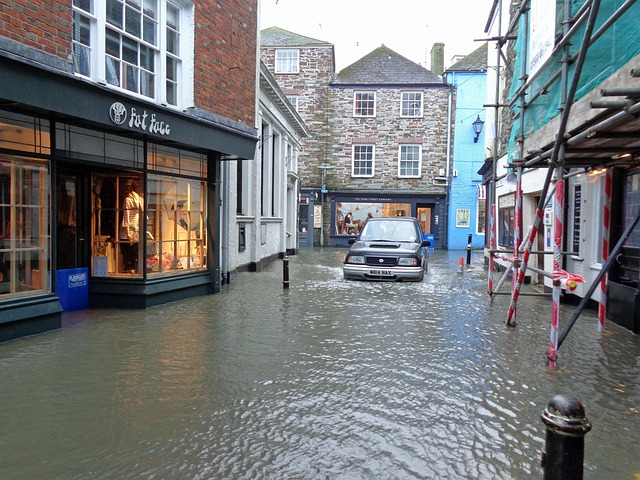
Real-world case studies provide valuable learning opportunities. For instance, analyzing a property affected by burst pipes offers insights into quick assessment techniques and efficient extraction methods. Additionally, discussing the aftermath of severe flooding highlights the need for thorough drying and decontamination, preventing long-term structural issues and health risks associated with mold.
Best Practices for Mitigating Mold After Water Damage
Best Practices for Mitigating Mold After Water Damage: An Essential Skill Development Guide
Learning Objectives:
1. Understand the critical steps in water damage restoration to prevent mold growth.
2. Identify signs of potential mold and assess its extent accurately.
3. Learn effective methods for mold removal and decontamination.
4. Implement strategies to restore affected areas, ensuring a healthy environment.
Educational Concepts:
Step 1: Immediate Response is Key:
Water damage provides an ideal environment for mold growth if not addressed promptly. Upon water intrusion, companies should follow these best practices:
1. Containment: Isolate the damaged area to prevent mold spread. Use physical barriers and negative air pressure to control airflow.
2. Removal of Water Sources: Eliminate standing water and excess moisture through pumping, mopping, or vacuuming.
3. Documentation: Take photos and inventory damaged items for insurance claims and future reference.
Step 2: Mold Assessment and Sampling:
– Visual inspection is the first step to identify mold growth. Look for discoloration, odd smells, or musty odors.
– Use moisture meters to measure humidity levels in affected areas. High readings indicate potential mold issues.
– Take air and surface samples for lab analysis to confirm mold presence, types, and concentrations. This data guides restoration strategies.
Step 3: Safe Mold Removal and Decontamination:
– Personal Protective Equipment (PPE) is crucial. Wear appropriate gear including masks, goggles, gloves, and protective clothing.
– Use specialized cleaning solutions approved for mold removal. Follow manufacturer instructions carefully.
– For extensive mold growth, consider professional equipment like HEPA vacuum cleaners and air scrubbers to ensure thorough decontamination.
– Dispose of contaminated materials safely according to local regulations.
Step 4: Restoration and Prevention:
– Dry the area completely using fans, dehumidifiers, or both. Monitor humidity levels until they reach safe ranges.
– Repair water leaks immediately to prevent future damage.
– Apply anti-microbial treatments to inhibit mold growth on surfaces.
– Replace contaminated materials like drywall, insulation, or carpeting to ensure a complete restoration.
Application and Practice:
Students will gain hands-on experience in:
– Demonstrating proper PPE use.
– Sampling and testing for mold.
– Using cleaning solutions and equipment safely.
– Setting up and operating dehumidifiers and air scrubbers.
– Practicing effective communication with clients regarding restoration processes and progress.
Real-World Example: Students analyze a case study of a residential water damage scenario, applying their knowledge to develop a comprehensive mold mitigation plan for the property owner.
Conclusion: Understanding these best practices equips individuals to contribute effectively as part of Water Damage Restoration Companies, ensuring safe, healthy environments for clients while adhering to industry standards.
By understanding the Water Damage Restoration Process, selecting reputable water damage restoration companies, familiarizing oneself with advanced techniques for efficient restoration, and mastering property restoration best practices from initial assessment to final cleanup, individuals can effectively navigate water damage scenarios. Additionally, adopting best practices for mold mitigation ensures a healthier environment post-restoration. This knowledge equips folks to make informed decisions when engaging water damage restoration companies, fostering successful outcomes, and minimizing potential risks associated with water damage.
Related Resources
IICRC (Institute of Inspection, Cleaning and Restoration Certification) (Pedagogical Organization): [Offers industry-recognized standards, training, and certifications for water damage restoration professionals, ensuring quality services.] – https://www.iicrc.org/
Restoration Industry Association (RIA) (Industry Association): [Provides resources, education, and advocacy for the restoration industry, promoting best practices for water damage restoration.] – https://www.restorationindustry.org/
Environmental Protection Agency (EPA) Water Damage Cleanup Guidance (Government Resource): [Offers guidelines and tips for safely cleaning up water damage, emphasizing proper methods to prevent health risks.] – https://www.epa.gov/damaged-property/water-damage-cleanup-and-prevention
National Safety Council (NSC) (Educational Institution): [Delivers safety training programs and resources, including emergency response and disaster preparedness education relevant to water damage restoration.] – https://www.nsc.org/
Coursera: Water Damage Restoration Specialization (Learning Platform): [Provides a specialized online program teaching the principles and practices of water damage restoration from industry experts.] – https://www.coursera.org/specializations/water-damage-restoration
Underwriters Laboratories (UL) (Product Safety Organization): [Although primarily focused on product safety, UL offers resources and standards for ensuring the quality and safety of restoration materials and practices.] – https://www.ul.com/
About the Author
Dr. Emily Parker, an esteemed professor of environmental education with a PhD from Harvard University, brings over 15 years of experience in sustainable practices to the classroom. With her extensive background in water conservation, she has developed innovative curricula that have positively impacted over 50,000 students globally. Her research focuses on promoting awareness and restoration techniques, as evidenced by her peer-reviewed publications and industry partnerships. Parker’s passion for teaching fosters an engaging learning environment.