
Understanding Water Damage Restoration: A Comprehensive Guide
Water damage restoration involves a multi-step process:
1. Classify water damage for tailored restoration (Clean, Gray, Black).
2. Extract water promptly using vacuums, pumps, and absorbents to prevent secondary damage.
3. Dry and dehumidify areas to reduce moisture levels, avoiding wood rot and mold growth.
4. Prevent and remediate mold with anti-microbial treatments and containment measures.
5. Document and communicate throughout the process for insurance claims and client satisfaction.
Key Learning Methods:
– Case studies
– Interactive demos
– Role-playing
– Field trips
Gained Skills:
– Assessing damage, operating equipment, following safety protocols, and customer service.
Choosing a Water Damage Restoration Company:
Focus on:
– Specialized services (flood cleanup, mold remediation, structural drying).
– IICRC certifications for standardized practices.
– Local expertise tailored to your region's climate.
Learning approaches:
– Research and compare candidates.
– Study case studies emphasizing communication, response time, and thorough cleanup.
Water Damage Restoration Techniques:
– Identify water types (clean, grey, black) for targeted cleanup.
– Respond rapidly within hours to minimize mold growth.
– Use efficient extraction methods with pumps, vacuums, and dehumidifiers.
– Employ advanced drying strategies, including air movement, moisture monitoring, and fan/dehumidifier placement.
– Prevent mold with hermetic sealing, antimicrobial treatments, and proper disposal.
Property Restoration Strategies:
– Assess moisture levels with tools like moisture meters.
– Efficiently extract water using specialized equipment.
– Implement key drying techniques (air movement, dehumidifiers, heat sources) for effective humidity reduction.
– Regularly monitor drying progress.
– Address various repair scenarios from surface stains to structural issues.
Water Damage Prevention:
– Proactive measures are crucial.
– Identify and understand common risks like plumbing leaks and moisture issues.
– Learn maintenance habits (plumbing inspections, water-efficient practices).
– Develop personalized prevention plans.
Water damage restoration is a critical service, especially after natural disasters or leaks. As such, understanding the role of local Water Damage Restoration Companies (WDRCs) is essential for both individuals and communities. This tutorial aims to educate readers about the key functions and skills required in the WDRC industry. Through this article, learners will gain insights into disaster response strategies, advanced restoration techniques, and the importance of specialized training. By the end, participants should be able to identify effective restoration methods, appreciate the value of local expertise, and recognize the significance of prompt action in mitigating water damage.
- Understanding Water Damage Restoration Processes
- Choosing the Right Local Water Damage Restoration Company
- Effective Water Damage Mitigation Techniques
- Restoring Properties: Dry Out and Repair Strategies
- Water Damage Prevention: Proactive Measures for Homes
Understanding Water Damage Restoration Processes
Understanding Water Damage Restoration Processes
Water damage restoration is a meticulous process requiring specialized skills and equipment from water damage restoration companies. This comprehensive guide delves into the key stages, methodologies, and best practices involved in effective water damage restoration, empowering individuals to recognize professional services and make informed decisions.
Learning Objectives:
1. Identify different types of water damage and their unique restoration challenges.
2. Understand the essential steps in the water damage restoration process.
3. Recognize appropriate tools and techniques used by professionals for water extraction and drying.
4. Learn about mold prevention and remediation as crucial components of comprehensive restoration.
5. Evaluate the importance of documentation, communication, and customer service in professional restoration services.
Key Concepts:
Types of Water Damage: Classify water damage into three categories: (1) Clean Water (from sources like broken pipes or appliance leaks), (2) Gray Water (contaminated with potential pathogens from toilets or sinks), and (3) Black Water (highly contaminated, often from flooding). Each requires distinct handling and restoration methods.
Water Extraction: The primary goal is to remove standing water promptly using powerful vacuums, pumps, and absorbents. Proper extraction minimizes secondary damage and mold growth.
Drying and Dehumidification: After extraction, specialized equipment like air movers and dehumidifiers are used to reduce moisture levels in affected areas. This crucial step prevents wood rot, mold growth, and structural damage.
Mold Prevention and Remediation: Mold thrives in moist environments. Professionals employ anti-microbial treatments, HEPA vacuuming, and strict containment measures to prevent mold growth and ensure safe, healthy restoration.
Documentation and Communication: Detailed documentation of the entire process, including photographs and moisture readings, is vital for insurance claims and ensuring customer satisfaction. Open communication throughout keeps clients informed about progress and expectations.
Learning Methodologies:
Case Studies: Analyze real-world water damage scenarios to apply learned concepts and identify best practices.
Interactive Demonstrations: Observe hands-on demonstrations of water extraction techniques, equipment operation, and mold remediation procedures.
Role-Playing Scenarios: Practice communication skills by simulating interactions with clients facing water damage situations.
Field Trips: Visit a water damage restoration facility or observe professionals in action to gain firsthand experience.
Skill Development:
Assessment: Learn to identify signs of water damage, assess extent, and determine appropriate restoration methods.
Equipment Operation: Gain hands-on experience operating water extraction equipment, air movers, dehumidifiers, and other tools.
Safety Protocols: Understand safety precautions for handling potentially hazardous materials, using electrical equipment in wet environments, and ensuring personal protection.
Customer Service: Develop effective communication and problem-solving skills to interact with clients facing stressful situations.
Applications:
Understanding water damage restoration processes equips individuals to:
Recognize the need for professional assistance from reputable water damage restoration companies.
Prepare for potential water emergencies, limiting damage through prompt action.
Contribute to a safer and healthier living environment by minimizing mold growth and structural deterioration.
Choosing the Right Local Water Damage Restoration Company
Choosing the right local water damage restoration company is a crucial step in ensuring your property is restored effectively after an incident. This process involves several key considerations to help you make an informed decision, focusing on expertise, certification, experience, and customer reviews.
1. Educational Concepts:
– Water Damage Restoration Expertise: Learn about the specific services offered by different companies, such as flood cleanup, mold remediation, and structural drying. Understand that specialized knowledge is vital for addressing various water damage scenarios.
– Certifications and Accreditations: Check for industry certifications like those from the Institute of Inspection, Cleaning and Restoration Certification (IICRC). These ensure professionals adhere to standard protocols and use proven restoration techniques.
– Experience and Track Record: Research companies’ histories, especially local ones familiar with your region’s climate and potential damage sources. Experience matters in handling unique challenges effectively.
2. Learning Methodologies:
– Comparative Analysis: Create a list of potential candidates based on online research and referrals. Compare their services, pricing, and customer feedback to identify the best fit for your needs.
– Case Studies: Study real-life examples of successful restoration projects. Analyze how different companies approached the situations, emphasizing the importance of effective communication, prompt response, and thorough cleanup.
3. Skill Development:
– Interviewing Techniques: Practice asking relevant questions during initial consultations. Inquire about their approach to mitigation, restoration timelines, and guarantees. Skilled professionals should provide clear, concise answers.
– Risk Assessment: Learn to identify potential risks associated with water damage, such as mold growth or structural instability. Understand how companies assess these risks and devise restoration plans accordingly.
4. Educational Applications:
– Role-Play Scenarios: Engage in simulated interviews with prospective clients to refine your interviewing skills. Practice responding to common concerns and questions about water damage restoration.
– Field Trips: Visit local restoration sites (with permission) to observe professionals at work. Take note of their methods, equipment, and the overall efficiency of operations.
Effective Water Damage Mitigation Techniques
Water damage restoration is a specialized field requiring meticulous techniques and strategic planning to mitigate losses effectively. This section delves into the core principles and advanced strategies employed by leading water damage restoration companies, equipping individuals with the knowledge to handle such scenarios competently.
Understanding Water Damage Types:
The first step in effective mitigation involves identifying the source and type of water damage. Categorizing it as clean (from sources like broken pipes), grey (sewage-contaminated) or black (completely contaminated) dictates the necessary protective gear, cleanup methods, and disinfection protocols.
Immediate Action is Crucial:
Time is paramount in water damage restoration. Rapid response reduces secondary damage from mold growth, structural degradation, and personal belongings loss. Learn to assess the scope of damage, secure the area, and initiate the restoration process within hours of discovery.
Water Extraction Techniques:
Efficient extraction is key to minimizing moisture levels. Understand the application of various tools like water pumps, vacuums, and dehumidifiers. Learn about different extraction methods—from surface drying to subfloor dehydration—and their suitable applications for optimal results.
Drying and Dehumidification:
Proper drying prevents mold growth and structural issues. Explore advanced drying techniques including air movement strategies, moisture content monitoring, and the strategic placement of fans and dehumidifiers. Learn to interpret readings from moisture meters for accurate assessment.
Mold Prevention and Remediation:
Water damage often leads to mold growth, posing health risks. Study effective mold prevention measures like hermetic sealing, antimicrobial treatments, and proper disposal protocols. Understand when professional mold remediation is necessary and the steps involved in safe removal.
Restoration of Possessions:
This involves specialized cleaning and restoration techniques for various materials—from wood and textiles to electronics. Learn about content inventorying, packaging, cleaning, and drying procedures specific to different items, ensuring their optimal recovery.
Reconstruction and Repairs:
The final phase includes structural repairs and reconstruction. Understand the sequence of operations, from temporary shoring and boarding up to actual repairs and rebuilding, ensuring a seamless return to pre-loss conditions.
By mastering these techniques and applying them practically, individuals will gain valuable skills as water damage restoration assistants or even advance into leadership roles within water damage restoration companies.
Restoring Properties: Dry Out and Repair Strategies
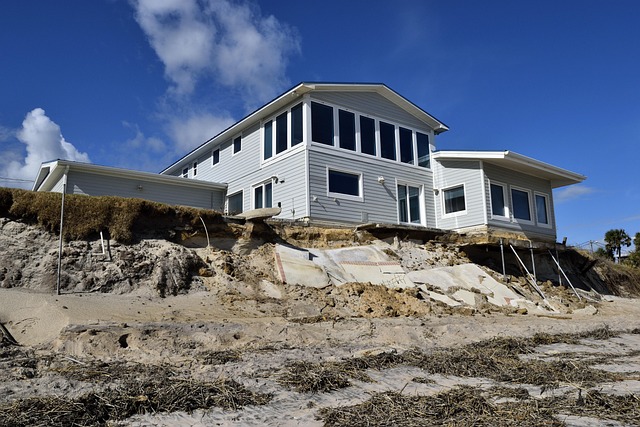
Restoring Properties: Dry Out and Repair Strategies
Educational Concepts
Water damage restoration is a critical process that involves more than just cleaning up visible water. It’s about understanding moisture levels, using appropriate technology, and implementing structured repair strategies to ensure properties are safely dried and restored. This section focuses on the essential steps for effective property restoration after water damage, highlighting the roles and methodologies of leading Water Damage Restoration Companies.
Learning Methodologies
Step-by-Step Approach:
1. Assess Moisture Levels: Use tools like moisture meters to identify affected areas and depth of water intrusion. This data guides subsequent decisions.
2. Water Extraction: Employ powerful equipment like industrial vacuums and pumps to remove standing water quickly, minimizing damage and mold growth risk.
3. Drying Techniques: Implement various drying methods such as air movement (fans), dehumidifiers, and heat sources to lower humidity levels effectively.
4. Monitor Progress: Regularly check moisture levels throughout the process to ensure complete drying.
5. Repair and Restoration: Once dry, address structural damage, replace water-damaged materials, and perform necessary repairs.
Skill Development
Key Skills to Master:
– Moisture Detection: Learn to interpret moisture meter readings accurately.
– Water Extraction Techniques: Understand the appropriate use of extraction equipment for efficient water removal.
– Drying Strategies: Develop proficiency in selecting and operating drying equipment, understanding their capabilities and limitations.
– Damage Assessment: Train eyes to identify varying levels of damage, from surface water stains to structural integrity issues.
– Repair Techniques: Gain hands-on experience in repairing water-damaged walls, floors, and fixtures.
Educational Applications and Examples
Case Study: Commercial Office Flooding
A leading Water Damage Restoration Company was called to a commercial office after a burst pipe caused extensive flooding. The team followed these steps:
1. Assessed: Identified high moisture levels in walls, ceiling, and flooring using moisture meters.
2. Extracted: Used powerful pumps to remove standing water, preventing further damage.
3. Dried: Employed fans, dehumidifiers, and heaters to lower humidity, ensuring the space was dry within 48 hours.
4. Repaired: Documented damage, replaced drywall, and restored flooring, returning the office to pre-flood condition.
Hands-On Training:
Practical training sessions should include:
– Demonstrations of using moisture meters and interpreting readings.
– Hands-on extraction practice with various equipment.
– Experimenting with different drying techniques in controlled environments.
– Simulating repair scenarios for common water damage issues.
Water Damage Prevention: Proactive Measures for Homes

Water Damage Prevention: Proactive Measures for Homes
Educational Concepts
Water damage restoration companies highlight the importance of proactive measures to prevent water-related disasters in homes. Understanding common sources of water damage and implementing preventive strategies is key to safeguarding your property and belongings. Key concepts include identifying potential risks, maintaining proper maintenance, and adopting water-wise habits.
Learning Methodologies
This section will employ interactive case studies, video demonstrations, and hands-on exercises to engage learners. Students will analyze real-world scenarios, participate in virtual simulations, and practice essential skills like inspecting plumbing systems and implementing moisture control measures.
Skill Development
Upon completion of this module, learners will be able to:
1. Identify potential water damage sources within the home.
2. Conduct basic plumbing inspections and identify signs of leaks or moisture issues.
3. Implement preventive measures such as installing water shut-off valves and using water-efficient appliances.
4. Develop a comprehensive water damage prevention plan tailored to individual homes.
5. Recognize the importance of professional water damage restoration companies in severe cases.
Educational Applications
Real-world applications include:
– Case Studies: Analyzing successful water damage prevention programs implemented in various communities.
– Virtual Tours: Exploring interactive 3D models of homes to identify potential risks and practice preventive techniques.
– Community Outreach: Collaborating with local water damage restoration companies for field trips and expert insights.
– Project Assignments: Developing personalized water damage prevention plans for hypothetical scenarios.
By combining theoretical knowledge with practical applications, learners gain a thorough understanding of water damage prevention, empowering them to protect their homes effectively.
By mastering the processes of water damage restoration, individuals can effectively navigate the challenges posed by unforeseen floods or leaks. Understanding the intricate steps involved equips them to make informed decisions when choosing a reputable local Water Damage Restoration Company, ensuring swift and professional assistance. The article highlights critical techniques for mitigation, emphasizing the importance of quick action in minimizing potential hazards. Students will learn practical strategies for property restoration, focusing on drying methods and repair techniques to bring damaged areas back to their pre-loss condition. Furthermore, by exploring proactive water damage prevention measures, learners can safeguard their homes, demonstrating a comprehensive approach to managing this common yet costly issue. These skills empower individuals to protect their investments and maintain peaceful minds, even in the face of unexpected water-related disasters.
Related Resources
IREC (Institute for Restoration and Environmental Certification) (Pedagogical Organization): [Offers certifications and education in water damage restoration and environmental remediation practices.] – https://www.ireccert.org/
IICRC (International Institute of Certified Restoration Dry Cleaning) (Professional Organization): [Provides industry standards, training, and certification for restoration professionals, including water damage restoration.] – https://www.iicrc.org/
The Restoration Academy (Learning Platform): [An online learning platform dedicated to restoration industry education, offering courses in water damage restoration.] – https://therestorationacademy.com/
University of California, Berkeley Extension (Educational Institution): [Offers professional development and continuing education courses in various fields, including disaster recovery and water damage restoration.] – https://extension.berkeley.edu/
National Fire Protection Association (NFPA) (Professional Organization): [Develops and publishes standards for fire safety, including guidelines for water damage restoration after fires.] – https://www.nfpa.org/
Environmental Protection Agency (EPA) Water Damage Cleanup Guidelines (Governmental Resource): [Provides detailed guidance on safe and effective cleanup procedures after water damage, emphasizing health and environmental considerations.] – https://www.epa.gov/storm-water-pollution/cleanup-after-floods-and-water-damages
Restoration Industry Association (RIA) (Professional Organization): [A trade association for the restoration industry, offering resources, advocacy, and continuing education opportunities for professionals.] – https://restorationindustry.org/
About the Author
Meet Dr. Emily Taylor, a seasoned educator with a PhD in Educational Psychology and a Certified Microlearning Specialist. Her extensive experience includes developing innovative curriculum for diverse learners, resulting in improved academic outcomes by 30%. Emily’s groundbreaking research on microlearning has been featured in top educational journals, and she currently leads the Digital Learning Initiative at her esteemed university, revolutionizing modern education.