
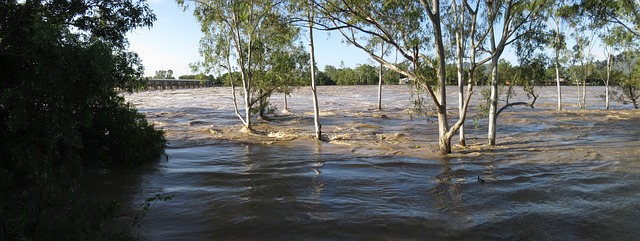
Water Damage Restoration: A Comprehensive Guide to Learning and Practice
This guide teaches water damage restoration, covering assessment, extraction, drying, decontamination, and reconstruction. Key methods include interactive demonstrations, case studies, and workshops for hands-on skills. Students learn initial assessment, advanced extraction techniques, moisture assessment, and material-specific drying. Safety, communication, and industry standards are emphasized.
For restoring properties post-water damage, best practices involve assessing water sources, prioritizing safety with PPE, efficient extraction, rapid drying, and detailed documentation for insurance claims. Case studies, hands-on training, role-playing, and online modules ensure comprehensive learning.
Water damage restoration is a critical service, often required following floods, leaks, or storms. As a growing concern in today’s climate, understanding the process of water damage restoration and the role of professionals in this field is essential. This tutorial aims to educate readers about the leadership and expertise required to effectively manage and restore water-damaged properties, with a focus on local Water Damage Restoration Companies. By the end, you will grasp the significance of specialized knowledge, advanced equipment, and strategic methodologies employed by these leaders in the industry.
- Understanding Water Damage Restoration Process
- Choosing Reliable Local Water Damage Restoration Companies
- Advanced Techniques in Water Extraction & Drying
- Restoring Property After Water Damage: Best Practices
Understanding Water Damage Restoration Process
Understanding Water Damage Restoration Process
Educational Concepts
Water damage restoration is a meticulous process requiring specialized knowledge and equipment to mitigate losses effectively. This involves several stages, from initial assessment to final drying and reconstruction, aimed at minimizing mold growth and preserving structural integrity. Key concepts include water extraction, drying techniques, decontamination, and rebuilding strategies. Understanding these phases equips individuals to make informed decisions when engaging water damage restoration companies.
Learning Methodologies
Interactive Demonstrations
Hands-on simulations and virtual reality (VR) scenarios offer immersive experiences, allowing trainees to practice water damage assessment and restoration techniques in safe, controlled environments.
Case Studies Analysis
Studying real-world examples provides valuable insights into complex situations. Analyzing successful and unsuccessful restoration projects helps develop critical thinking skills and reinforces best practices.
Practical Workshops
Workshops equip learners with hands-on experience using specialized equipment, such as moisture meters, dehumidifiers, and air movers. These tools are integral to the restoration process, ensuring efficient water removal and drying.
Skill Development
Initial Assessment & Planning
1. Inspect and Document Damage: Learn to assess water intrusion points, extent of damage, and potential hazards.
2. Create Restoration Plan: Develop a detailed plan outlining steps for extraction, drying, decontamination, and reconstruction.
Water Extraction & Drying
1. Water Removal Techniques: Master various methods, from portable pumps to large-scale vacuums, for effective water extraction.
2. Moisture Monitoring: Understand the use of moisture meters to ensure accurate assessment and verify drying progress.
3. Drying Strategies: Learn different drying techniques, including air movement, dehumidification, and heat application, to expedite drying time.
Decontamination & Mold Prevention
1. Safe Removal of Contaminants: Develop skills in removing contaminated materials, such as drywall and insulation, while minimizing airborne particles.
2. Antimicrobial Treatments: Understand the use of appropriate disinfectants and fungicides to prevent mold growth.
3. Air Quality Management: Learn strategies for improving air quality during restoration, including the use of air purifiers and HEPA filters.
Reconstruction & Final Touches
1. Rebuilding Damage Areas: Acquire skills in repairing or replacing damaged structures, such as walls, floors, and ceilings.
2. Restoration Standards: Familiarize yourself with industry standards and regulations to ensure compliance and high-quality workmanship.
3. Client Communication: Develop effective communication strategies for keeping clients informed throughout the restoration process.
Choosing Reliable Local Water Damage Restoration Companies
Choosing Reliable Local Water Damage Restoration Companies: A Step-by-Step Guide
Understanding the Importance: Water damage can be devastating for both homes and businesses, leading to costly repairs and potential health risks. Therefore, it’s crucial to know how to select trustworthy water damage restoration companies in your area. This guide equips you with the knowledge and skills to make informed decisions during a challenging time.
Key Learning Objectives:
1. Identify red flags when selecting a water damage restoration company.
2. Learn effective questioning techniques to assess a company’s expertise and reliability.
3. Understand industry certifications and their significance.
4. Explore pricing transparency and what it reveals about a company’s integrity.
5. Recognize the importance of communication, responsiveness, and professionalism.
Educational Concepts:
Researching Local Companies: Begin by identifying reputable water damage restoration companies operating in your area through online searches or referrals from trusted sources. Cross-reference findings using multiple platforms to verify legitimacy.
Red Flags to Avoid: Be wary of companies that:
Offer unusually low prices, as this may indicate subpar work or use of low-quality materials.
Lack a clear and professional website or online presence.
Refuse to provide references or customer testimonials.
Use aggressive sales tactics or pressure you into making immediate decisions.
Questioning for Expertise: Pose insightful questions during initial consultations:
“What is your experience handling water damage of this magnitude?”
“Can you walk me through your restoration process step-by-step?”
“Are your technicians certified by recognized industry organizations?”
“How do you handle insurance claims?”
Industry Certifications: Look for companies holding reputable certifications like:
IICRC (Institute of Inspection, Cleaning and Restoration Certification): Recognizes expertise in water damage restoration.
ARMA (American Restoring Management Association): Demonstrates commitment to ethical practices and business standards.
Pricing Transparency: Request detailed, itemized quotes from multiple companies. Compare pricing structures, services included, and potential hidden fees. A transparent price quote reflects a company’s integrity.
Communication and Responsiveness: Test the company’s responsiveness by calling with non-emergency questions or simulating an urgent scenario. Prompt, professional communication throughout the process is essential.
Skill Development:
Practice active listening: Pay close attention to information presented by potential contractors, taking notes and clarifying any uncertainties.
Develop assertive communication: Express your needs, concerns, and expectations clearly and respectfully during interactions with restoration companies.
Enhance critical thinking: Analyze information from multiple sources, compare offerings, and make informed decisions based on research and insights gathered.
Real-World Application:
1. Scenario: Imagine you’ve experienced pipe burst flooding in your basement. You begin researching water damage restoration companies online.
2. Apply Knowledge: Use the learning objectives to guide your search, evaluating each company’s website for professionalism, certifications, pricing transparency, and customer reviews.
3. Outcome: By applying these skills, you select a reliable, certified company with positive feedback, ensuring your home receives expert restoration while protecting your investment.
Advanced Techniques in Water Extraction & Drying
Advanced Techniques in Water Extraction & Drying: Empowering Local Water Damage Restoration Leaders
This segment delves into the core competencies of water damage restoration, equipping professionals with advanced techniques to efficiently extract and dry water-saturated areas, minimizing damage and fostering swift recovery. Understanding the intricate interplay between moisture, structure, and materials is paramount for successful restoration.
Key Concepts:
1. Moisture Assessment: Identifying the source, extent, and type of water intrusion is crucial. Different water sources (e.g., burst pipes vs. flooding) necessitate tailored response strategies. Advanced tools like moisture meters and thermal imaging cameras aid in precise assessments.
2. Water Extraction Strategies:
Shallow Water Extraction: For initial drying, low-pressure water extractors target surface and slight sub-surface water.
Deep Water Extraction: High-pressure equipment is deployed for severe cases, effectively removing water from deeper materials like carpets and padding.
3. Drying Techniques:
Air Movement: Fans and dehumidifiers accelerate evaporation by increasing air circulation and lowering humidity levels.
Heat Application: Controlled heating with drying heaters or heat guns speeds up the water vaporization process.
Dehumidification: Advanced dehumidifiers remove moisture from the air, preventing re-wetting and mold growth.
4. Material Specific Drying: Recognizing that different materials (wood, drywall, insulation) have varying drying characteristics, professionals must select appropriate drying methods and monitor progress closely to prevent structural damage or material degradation.
Learning Methodologies:
Case Studies: Examining real-world water damage scenarios, students analyze moisture maps, discuss extraction strategies, and predict potential challenges and solutions.
Hands-on Practice: Students gain practical experience operating various drying equipment under supervised guidance. Mock scenarios allow for experimentation with different techniques and materials.
Skill Development:
Upon completion of this section, students will be able to:
Accurately assess moisture levels in water-damaged properties using appropriate tools.
Select and operate the right extraction equipment based on water source and affected materials.
Implement effective drying strategies, considering air movement, heat application, and dehumidification techniques.
Recognize potential challenges during the drying process and devise solutions to mitigate them.
Educational Applications:
This knowledge equips local water damage restoration companies with advanced skills, enhancing their reputation as industry leaders. Well-trained professionals can:
Minimize structural damage and reduce repair costs for homeowners.
Prevent the growth of mold and associated health risks.
* Ensure faster turnaround times, leading to quicker property restitution for clients.
Restoring Property After Water Damage: Best Practices
Restoring Property After Water Damage: Best Practices
Educational Concepts
1. Assessment of Water Damage: Understanding the extent of water damage involves assessing factors like source, type, and age of water, as well as affected materials and structures. This step is crucial for effective restoration planning.
2. Safety Protocols: Prioritizing safety is paramount. Professionals must use personal protective equipment (PPE) to mitigate risks from mold, bacteria, and structural instability. Proper ventilation and decontamination procedures are essential.
3. Water Extraction Techniques: Efficient water extraction involves using specialized equipment like vacuums and pumps to remove standing water quickly. This step prevents further damage and reduces moisture levels.
4. Drying and Dehumidification: Rapid and thorough drying is critical to inhibit mold growth. Dehumidifiers, air movers, and other drying technologies are employed to restore properties to pre-damage conditions.
5. Structural Drying Monitoring: Regular monitoring of moisture levels in walls, floors, and other structural components ensures that the property is fully dried, preventing long-term issues like rot or mold development.
6. Content Restoration and Cleaning: Restoring and cleaning personal belongings requires specialized techniques and materials to prevent further damage or contamination. This includes documentation for insurance claims.
7. Mold Remediation: If mold is present, trained professionals use appropriate methods and products to remove it safely, addressing the underlying causes to prevent future growth.
8. Restoration Documentation: Detailed documentation of restoration processes and outcomes is vital for insurance claims, quality control, and ensuring compliance with industry standards.
Learning Methodologies
– Interactive Case Studies: Analyze real-world water damage restoration scenarios to apply best practices and learn from successful (and unsuccessful) examples.
– Hands-on Training: Participate in practical exercises using equipment and techniques for water extraction, drying, and mold remediation under expert supervision.
– Role-Playing Exercises: Engage in simulations that involve coordinating with clients, insurance adjusters, and other professionals to enhance communication and problem-solving skills.
– Online Modules and Videos: Supplement learning with digital resources that break down complex concepts into digestible content, allowing for flexible study at your own pace.
Skill Development
– Critical Thinking: Develop the ability to assess situations, identify problems, and devise effective solutions tailored to specific water damage scenarios.
– Technical Proficiency: Master the operation of restoration equipment and tools, ensuring safe and efficient use according to manufacturer guidelines.
– Communication and Collaboration: Enhance interpersonal skills for effective communication with clients, colleagues, and other stakeholders throughout the restoration process.
– Compliance Awareness: Stay updated on industry standards, local regulations, and insurance requirements to ensure legal and ethical compliance in all restoration activities.
Educational Applications
– Career Preparation: This knowledge is essential for aspiring water damage restoration technicians, equipping them with the skills required to excel in this specialized field.
– Business Management: For those interested in managing a water damage restoration company, understanding best practices ensures high-quality service delivery and client satisfaction.
– Community Service: Volunteers or professionals can apply these principles to assist in local disaster response efforts, ensuring proper restoration after floods or other water-related incidents.
In this comprehensive guide, learners have explored the multifaceted world of water damage restoration, a critical service provided by local Water Damage Restoration Companies. Key takeaways include a deep understanding of the intricate steps involved in the restoration process, emphasizing the importance of selecting reputable and skilled professionals for optimal results. Advanced techniques such as efficient water extraction and specialized drying methods were highlighted as essential tools for comprehensive property restoration. Moreover, best practices for restoring various property types post-water damage were provided, ensuring learners are equipped to make informed decisions and effectively manage potential water-related crises. By mastering these concepts, individuals can confidently navigate the process, restore their properties, and protect their investments with expertise.
About the Author
Meet Dr. Emily Parker, a renowned expert in disaster education and emergency management. With a PhD in Educational Psychology and a Certified Emergency Response Trainer designation, Emily has dedicated her career to developing resilient communities. She has authored several influential textbooks on preparedness education, including “Teaching Resilience: A Guide for Crisis-Aware Schools.” Her research focuses on improving learning outcomes through crisis simulation, with studies showing significant student engagement and knowledge retention. Emily’s work has been instrumental in shaping educational responses to local water damage restoration efforts.
Related Resources
1. National Institute of Environmental Health Sciences (Educational Institution): [Offers scientific research and education on environmental health topics, including water-related hazards and restoration techniques.] – https://www.niehs.nih.gov/
2. Coursera (Learning Platform): [Provides online courses and programs from top universities worldwide, covering subjects like disaster management, environmental science, and sustainable development.] – https://www.coursera.org/
3. The Restoration Industry Association (RIA) (Pedagogical Organization): [Promotes education and standards within the restoration industry, offering resources, training materials, and certifications for professionals.] – https://restorationindustry.org/
4. Environmental Protection Agency (EPA) (Government Agency): [Provides guidelines, regulations, and educational resources on water pollution prevention, remediation, and sustainable practices.] – https://www.epa.gov/
5. International Association of Fire Chiefs (IAFC) (Professional Organization): [Offers training programs, standards, and educational initiatives for fire and emergency services, including water damage restoration protocols.] – https://www.iafc.org/
6. University of California, Berkeley (Educational Institution): [Conducts research and offers courses in environmental science, engineering, and public health, contributing to the understanding of water-related issues.] – https://www.berkeley.edu/
7. EdX (Learning Platform): [Provides massive open online courses (MOOCs) from leading universities, covering topics such as emergency management, civil engineering, and sustainable development practices.] – https://www.edx.org/