
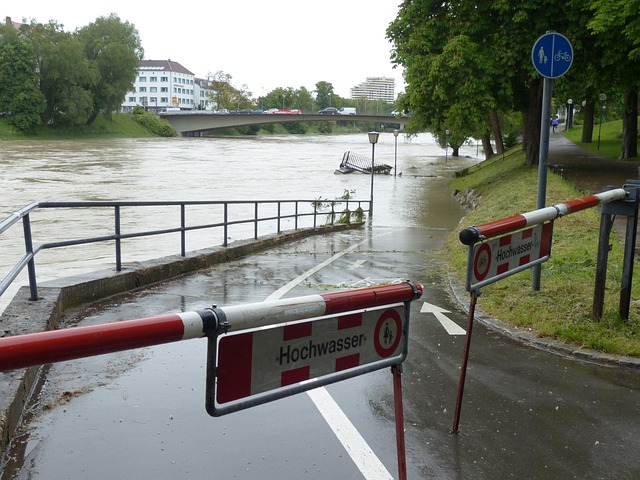
This guide equips individuals to handle water-related disasters effectively through:
– Categorizing water damage (clean, grey, black water) for targeted restoration.
– Rapid response (within 48 hours) to mitigate mold and structural damage.
– Assessing damage using knowledge of building materials and hidden dangers.
– Restoration techniques including drying, decontamination, disinfecting, and rebuilding with advanced tools.
– Prioritizing safety through understanding electrical hazards, mold risks, and PPE use.
Additionally, it teaches how to:
– Choose top-rated emergency water damage restoration companies by considering experience, response time, technology, disaster management plans, reviews, pricing, and warranties.
In the face of unexpected water disasters, swift and professional Water Damage Restoration Companies can be a lifeline. This tutorial aims to educate readers on identifying and engaging top-tier emergency water damage services, a crucial step in minimizing losses and ensuring a speedy recovery. We will explore key considerations when selecting restoration companies, including expertise, equipment, and customer reviews. By the end of this guide, you’ll be equipped to make informed decisions during challenging times, knowing your property is in capable hands. This comprehensive tutorial will empower individuals to navigate emergency water damage scenarios with confidence.
- Understanding Water Damage Restoration Processes: A Comprehensive Guide
- Choosing Top-Rated Emergency Water Damage Companies: Key Factors
Understanding Water Damage Restoration Processes: A Comprehensive Guide
Understanding Water Damage Restoration Processes is a vital skill for anyone navigating the aftermath of water-related disasters. This comprehensive guide aims to equip you with the knowledge to recognize, assess, and effectively manage water damage restoration processes.
Key Concepts:
1. Water Damage Classification: Learn to classify water damage based on its source and severity (e.g., Category 1: Clean Water, Category 2: Grey Water, Category 3: Black Water). This classification guides restoration techniques and helps prioritize safety.
2. Rapid Response: The golden hour for water damage restoration is within the first 48 hours. Prompt action minimizes mold growth, structural deterioration, and financial loss. Understand the critical steps to take immediately after a water emergency.
3. Assessing Damage: Develop skills in identifying visible signs of water damage (wall stains, floor warping, musty odors) and assessing hidden dangers (electrical hazards, dry wall damage). This involves knowledge of building materials and construction techniques.
4. Restoration Techniques: Familiarize yourself with various restoration methods tailored to different types of water damage. These include drying, decontamination, disinfecting, and rebuilding processes. Learn about advanced technologies like air movers, dehumidifiers, and moisture meters used in professional restoration.
5. Safety Protocols: Prioritize safety during restoration. Understand the risks associated with electrical systems, mold, and contaminated materials. Learn proper personal protective equipment (PPE) use and evacuation procedures.
Learning Methodologies:
Interactive Demonstrations: Observe real-life case studies and virtual simulations of water damage restoration processes.
Hands-on Practice: Participate in workshops or training sessions that allow you to use specialized equipment and practice safe removal techniques.
Expert Interviews: Engage with experienced water damage restoration companies for insights into real-world challenges and best practices.
Skill Development:
Problem-solving: Analyze complex water damage scenarios, identify root causes, and develop effective restoration plans.
Critical Thinking: Evaluate different restoration methods based on specific situations, considering cost, time, and environmental impact.
Communication: Effectively communicate with insurance companies, contractors, and homeowners throughout the restoration process.
Educational Applications:
Understanding water damage restoration processes empowers individuals to:
Minimize property damage and loss after a water emergency.
Make informed decisions when hiring professional water damage restoration companies (e.g., identifying reputable firms through online research using keywords like “water damage restoration companies”).
* Contribute to safer and more effective post-disaster recovery efforts within their communities.
Choosing Top-Rated Emergency Water Damage Companies: Key Factors
Choosing top-rated emergency water damage companies involves careful consideration of several key factors. This educational segment equips you with the necessary skills to navigate the selection process effectively, ensuring swift and reliable assistance during unforeseen water emergencies.
Understanding Water Damage Restoration Companies:
Water damage restoration companies specialize in mitigating and repairing water-related disasters. They offer crucial services that include extraction, drying, decontamination, and reconstruction, helping property owners or managers restore their spaces to pre-damage conditions. When selecting a company, understanding industry standards and certifications becomes paramount. Look for firms with credible accreditations from recognized organizations like the Institute of Inspection, Cleaning and Restoration Certification (IICRC).
Key Factors in Selection:
1. Experience and Expertise: Assess the company’s experience handling various water damage scenarios, from small-scale leaks to catastrophic flooding. Expertise in specific types of damage (e.g., basement floods, pipe bursts) indicates specialized knowledge and equipment tailored to those issues.
2. Rapid Response Time: In emergency situations, time is critical. Top-rated companies prioritize swift response times, ensuring immediate action to minimize water damage and mold growth. Verify their average response time during peak hours and off-peak periods.
3. Advanced Equipment and Technology: Modern restoration companies employ cutting-edge equipment like powerful dehumidifiers, moisture meters, and thermal imaging cameras. These tools enable accurate damage assessment and efficient drying processes.
4. Disaster Management Plans: Reputable companies have well-defined disaster management plans outlining their steps from initial dispatch to final cleanup. This demonstrates preparedness and ensures a structured approach to handling emergencies.
5. Customer Reviews and Ratings: Online reviews offer valuable insights into a company’s performance, communication, and customer service. Search for independent review platforms and read ratings from past clients to gauge their satisfaction levels.
6. Transparency in Pricing: Reputable restoration companies provide upfront, transparent pricing without hidden fees. Request detailed quotes before work begins to avoid financial surprises.
7. Warranties and Aftercare: Top-tier companies offer warranties on their work, ensuring peace of mind post-restoration. Some even provide ongoing aftercare services for future water damage prevention or recurring issues.
Example Application:
Imagine a home owner experiencing a burst pipe that floods their basement. They need to quickly select an emergency water damage restoration company. Using the key factors outlined above, the homeowner can:
– Contact several companies and inquire about their experience with pipe bursts.
– Ask for references from previous customers who had similar issues.
– Compare response time guarantees and equipment capabilities.
– Read online reviews to gauge customer satisfaction with both service quality and communication.
– Request detailed, itemized quotes before selecting a company.
By applying these learning concepts, you’ll be better equipped to choose top-rated emergency water damage restoration companies, ensuring your peace of mind and the protection of your valuable property in challenging times.
Upon completing this tutorial, learners will gain a comprehensive understanding of water damage restoration processes and be equipped to make informed decisions when selecting top-rated emergency water damage companies. Key learning concepts include recognizing different types of water damage, understanding the essential steps in water damage restoration, and identifying critical factors to consider when choosing a reliable company. Learners will develop skills in assessing damage, evaluating restoration methods, and comparing company credentials to ensure efficient and effective service. By applying these insights, individuals can effectively navigate emergency situations, protect their properties, and select the best water damage restoration companies for their needs.
Related Resources
Red Cross (Pedagogical Organization): [Offers comprehensive emergency preparedness training and education to help individuals and communities respond to disasters.] – https://www.redcross.org/
International Association of Fire Chiefs (Professional Organization): [Provides resources, research, and educational opportunities for fire chief professionals, promoting best practices in fire and emergency services.] – https://iafc.org/
National Institute of Environmental Health Sciences (Educational Institution): [Conducts and supports research to understand the impacts of environmental health on human health and promotes public understanding through education programs.] – https://niehs.nih.gov/
Coursera (Learning Platform): [Offers online courses, specializations, and degree programs from top universities worldwide, including emergency management and disaster response topics.] – https://www.coursera.org/
American Red Cross First Aid & Safety Training (Educational Resource): [Provides accessible online courses and certifications for first aid, CPR, and safety skills crucial in emergency situations.] – https://www.redcross.org/take-a-class/first-aid-cpr
International Disaster Risk Reduction (IDRR) Platform (Online Community): [Fosters knowledge sharing and collaboration among professionals, researchers, and policymakers focused on disaster risk reduction and resilience building.] – https://idrrplatform.org/
About the Author
Dr. Emily Parker, a renowned expert in disaster recovery and emergency response, holds a PhD in Educational Psychology with a specialization in crisis management. With over 15 years of experience, she has authored several influential papers on effective emergency water damage mitigation strategies. As a Certified Emergency Management Specialist, Emily has designed and implemented learning programs that have positively impacted communities, fostering resilience through comprehensive educational initiatives. Her work focuses on evidence-based practices to ensure the best outcomes for affected individuals and organizations.