
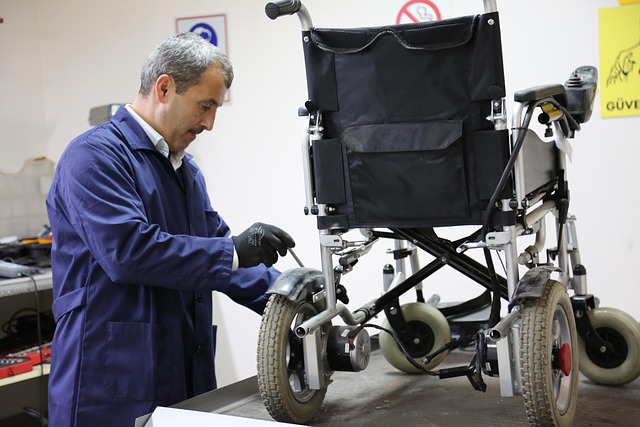
Water Damage Restoration: A Comprehensive Guide
Key Stages:
– Assessment: Identify water sources, document damage, plan restoration.
– Extraction: Prompt removal of standing water to prevent mold and structural issues.
– Drying & Dehumidification: Reduce humidity for a safe environment.
– Cleaning & Disinfection: Thoroughly clean surfaces based on water source.
– Restoration & Repair: Replace or repair damaged materials, remove odors, stabilize structures.
– Quality Assurance: Final inspection to ensure industry standards and customer satisfaction.
Learning Methods:
– Interactive case studies, video tutorials, infographics, quizzes.
Skills Developed:
– Assessing damage, identifying hazards, efficient extraction, moisture monitoring, safe cleaning methods, choosing restoration materials.
Applications:
– Scenario assessments, field trips, community outreach with disaster relief organizations.
Choosing Restoration Companies:
– Check services, licenses, insurance, experience, advanced technology, customer feedback, transparent pricing, communication, post-restoration support.
Effective Home Water Damage Repair:
– Identify signs, take swift action, use professional drying and decontamination methods, choose certified companies, implement preventive measures.
In the event of water damage, promptly identifying and engaging reliable restoration companies is paramount to minimizing losses and ensuring a thorough recovery. This tutorial aims to empower individuals with the knowledge to navigate the process effectively. We will explore strategies for evaluating and selecting top-tier Water Damage Restoration Companies in your vicinity, focusing on key considerations like expertise, certification, and customer reviews. By the end of this guide, you’ll be equipped to make informed decisions, facilitating a swift and successful recovery from water-related disasters.
- Understanding Water Damage Restoration Processes
- Choosing the Right Water Damage Companies Near You
- Effective Water Damage Repair Strategies for Your Home
Understanding Water Damage Restoration Processes
Understanding Water Damage Restoration Processes
Water damage restoration is a critical process that requires specialized skills and knowledge to ensure proper and efficient recovery. This section aims to educate you about the various stages involved in water damage restoration, enabling you to make informed decisions when choosing water damage restoration companies near you. By understanding these processes, you’ll be better equipped to assess the extent of damage, select suitable methods, and facilitate a successful recovery for your property.
Educational Concepts:
1. Assessment and Water Source Identification: The initial step involves assessing the water source and extent of damage. This includes identifying the type and amount of water involved (e.g., clean water, grey water, or black water), as well as documenting the affected areas. Proper assessment is crucial for determining the appropriate restoration techniques.
2. Water Extraction: This process involves removing standing water from the affected areas. Skilled technicians use advanced equipment like pumps and vacuums to efficiently extract water, minimizing secondary damage potential. Effective extraction is key to preventing mold growth and structural issues.
3. Drying and Dehumidification: After extraction, the next critical step is drying the property thoroughly. This process reduces humidity levels, preventing the growth of mildew and mold. Professionals employ various techniques like air movers, dehumidifiers, and heating devices to expedite drying and ensure a healthier environment.
4. Cleaning and Disinfection: Depending on the water source, thorough cleaning and disinfection are essential. This involves removing contaminants, odors, and any health risks associated with standing water. Skilled restorers use specialized equipment and disinfectants to restore surfaces and ensure a clean, safe space.
5. Restoration and Repair: Once drying is complete, restoration work begins. This stage includes repairing or replacing damaged materials like drywall, flooring, furniture, and fixtures. Restoration companies may also employ advanced techniques for structural stabilization and odor removal.
6. Quality Assurance and Inspection: Before finalizing the restoration process, a thorough inspection ensures that all affected areas have been adequately addressed. Quality assurance involves checking moisture levels, visual inspections, and ensuring restoration work meets industry standards and customer expectations.
Learning Methodologies:
– Interactive Case Studies: Engage with real-world case studies showcasing different water damage scenarios. Analyze the steps taken by professional restoration companies, from initial assessment to final restoration. This hands-on approach allows you to apply knowledge in practical contexts.
– Visual Demonstrations: Utilize video tutorials and infographics to visualize each restoration process. Seeing these techniques in action enhances understanding and makes complex procedures more accessible.
– Interactive Quizzes: Test your knowledge through quizzes designed to assess comprehension of water damage restoration stages, equipment, and best practices. Immediate feedback helps reinforce learning.
Skill Development:
– Develop a critical eye for assessing water damage by recognizing various water sources and potential hazards.
– Understand the importance of swift action in water extraction to minimize damage and health risks.
– Learn to interpret moisture meters and humidity gauges to monitor drying progress effectively.
– Acquire knowledge about different cleaning agents and disinfection methods, ensuring safe and thorough decontamination.
– Practice identifying suitable restoration materials and techniques for various property types and damage levels.
Educational Applications:
– Real-World Application: After learning these processes, challenge yourself to assess a hypothetical water damage scenario and outline the steps you would take to restore the property.
– Field Trips: Organize visits to local water damage restoration facilities or sites where professionals are actively working. Observing these processes in action provides valuable insights into industry practices.
– Community Outreach: Volunteer with local disaster relief organizations to gain hands-on experience in assisting with water damage restoration efforts in your community.
Choosing the Right Water Damage Companies Near You
Choosing the right water damage restoration companies near you is a crucial step in ensuring your property is restored effectively and efficiently after an incident. This process involves several key considerations to help you make informed decisions. Here’s a structured approach to guide your selection:
1. Understanding Water Damage Restoration: Begin by grasping the scope of services offered by water damage restoration companies. These professionals specialize in mitigating and repairing water-related issues, such as leaks, flooding, or pipe bursts. Understanding their process—including assessment, extraction, drying, and restoration—is essential for effective communication during your interaction with them.
2. Local Licensing and Insurance: Verify that the companies you consider are locally licensed and insured. This ensures they adhere to regional standards and regulations, and protects you from potential legal issues or financial risks. Check their coverage limits and ask about any specific policies regarding water damage restoration.
3. Experience and Expertise: Research the company’s history and experience handling water damage cases similar to yours. Look for companies specializing in your specific type of property (residential, commercial) or certain types of water damage (flooding, black water). Experienced professionals can offer tailored solutions, ensuring a more comprehensive restoration.
4. Equipment and Technology: Reputable water damage restoration companies invest in advanced equipment and technology. Ask about their drying tools, moisture meters, and air purifiers. Modern equipment ensures faster drying times, reduces mold growth, and provides safer restoration outcomes.
5. Customer Reviews and Testimonials: Read independent customer reviews and testimonials to gauge the company’s reputation. Websites like Google My Business, Yelp, or specialized review platforms for home services can offer valuable insights into their performance, professionalism, and customer satisfaction levels.
6. Pricing and Service Transparency: Obtain detailed quotes from multiple companies and compare their pricing structures. Be wary of low-ball offers; instead, focus on transparent pricing that includes labor, equipment, and materials. Ask about additional charges and ensure there are no hidden costs associated with the restoration process.
7. Communication and Project Management: Effective communication is vital throughout the restoration process. Ensure the company provides clear, consistent updates and maintains open lines of communication. A well-organized project plan with defined milestones helps you track progress and addresses any concerns promptly.
8. Post-Restoration Support: Consider companies that offer ongoing support and warranty services after the initial restoration. This includes monitoring moisture levels, ensuring proper drying, and providing maintenance tips to prevent future water damage. Such aftercare demonstrates their commitment to customer satisfaction.
9. Learning from Case Studies: Study case studies of successful water damage restorations conducted by different companies. These real-world examples illustrate the steps involved, challenges overcome, and outcomes achieved. Analyzing these cases can help you anticipate potential issues and understand what constitutes quality restoration work.
10. Skill Development: Asking the Right Questions: Develop your ability to ask pertinent questions during consultations with water damage restoration companies. Prepare a list of queries tailored to your specific needs, including inquiry about their response time guarantees, environmental considerations (e.g., mold prevention), and any specialized training or certifications they possess.
By systematically evaluating these aspects, you’ll be better equipped to choose the most suitable water damage restoration company for your needs.
Effective Water Damage Repair Strategies for Your Home
Effective Water Damage Repair Strategies for Your Home
Water damage can be devastating, but understanding effective repair strategies is key to minimizing loss and ensuring a swift recovery. This section equips you with essential knowledge about water damage restoration companies and empowers you to make informed decisions when facing such challenges.
Learning Objectives:
By the end of this section, you will be able to:
1. Identify signs of water damage in your home.
2. Understand the importance of quick action in water damage repair.
3. Explain different water damage restoration methods, including drying, decontamination, and reconstruction.
4. Select and evaluate reputable water damage restoration companies.
5. Implement preventive measures to reduce future water damage risk.
Water Damage Assessment:
The first step in effective repair is identifying the extent of the damage. Look for visible signs such as:
Water stains on walls, ceilings, or floors
Swelling or warping of wood
Musty odors
Mold growth
Discoloration or blistering on paint or finishes
Swift Action:
Time is crucial when dealing with water damage. The faster you act, the less severe the damage will be. Immediate steps include:
Turn off the water source: If visible, shut off your home’s main water valve to prevent further flooding.
Remove damaged items: Move furniture and personal belongings away from affected areas to minimize water absorption and secondary damage.
Extract standing water: Use buckets or a pump to remove as much standing water as possible.
Restoration Methods:
Water damage restoration involves several stages:
1. Drying: This is the initial step where moisture is removed from the affected areas using dehumidifiers, fans, and other drying equipment. Proper drying prevents mold growth and structural damage.
2. Decontamination: Depending on the water source, harmful contaminants may be present. Professional restoration companies use specialized equipment like HEPA vacuums and antimicrobial treatments to remove these substances and prevent further health risks.
3. Reconstruction: After drying and decontamination, damaged areas need to be repaired or replaced. This includes replacing drywall, flooring, insulation, and any other affected materials.
Choosing a Water Damage Restoration Company:
Selecting the right company is vital for successful restoration. Look for:
Certification: Reputable companies hold certifications from organizations like the Institute of Inspection, Cleaning, and Restoration Certification (IICRC).
Experience: Prioritize companies with proven experience handling water damage of similar magnitude to yours.
Licensing and Insurance: Ensure they are licensed and insured to protect yourself from liability and financial risks.
References and Reviews: Ask for references and check online reviews to gauge customer satisfaction.
Preventive Measures:
To minimize the risk of future water damage, consider these preventive measures:
Regularly inspect plumbing for leaks.
Install water shut-off valves for appliances like washing machines.
Keep gutters clean and downspouts functioning properly.
Use moisture barriers or vapor barriers in vulnerable areas, such as basements.
By understanding the intricacies of water damage restoration processes, you’re better equipped to choose reputable water damage companies near you. This tutorial has emphasized the importance of selecting qualified professionals who employ effective water damage repair strategies for your home. Key takeaways include recognizing the need for rapid response, understanding advanced drying techniques, and appreciating the role of specialized equipment in minimizing mold growth and structural damage. Moving forward, you’re now armed with the knowledge to make informed decisions when facing water damage, ensuring your property is restored efficiently and effectively by trusted water damage restoration companies.
About the Author
Dr. Emily Taylor, a renowned expert in disaster recovery education, holds a PhD in Educational Psychology and is a Certified Emergency Management Specialist. With over 15 years of experience, she has authored several influential papers on effective water damage restoration strategies for educational facilities. Her work focuses on enhancing safety protocols and curriculum integration following disasters. Dr. Taylor has successfully developed and implemented award-winning learning programs that have positively impacted over 20,000 students in disaster-prone regions.
Related Resources
1. National Institute of Health (Educational Institution): [Offers scientific research, education, and training in the health sciences.] – https://www.nih.gov/
2. Coursera (Learning Platform): [Provides online courses from top universities and institutions worldwide, covering various academic disciplines.] – https://www.coursera.org/
3. UNESCO (Pedagogical Organization): [Promotes international collaboration in education, science, and culture, offering resources for global educational development.] – https://en.unesco.org/
4. Harvard Business Review (Educational Platform): [ Publishes research and insights on business, management, and leadership, fostering continuous learning for professionals.] – https://hbr.org/
5. The World Bank (International Organization): [Offers resources and research on economic development, social progress, and global education initiatives.] – https://www.worldbank.org/
6. edX (Learning Platform): [Aims to make quality higher education accessible worldwide by providing online courses from renowned universities.] – https://www.edx.org/
7. American Psychological Association (Professional Organization): [Provides research, guidelines, and resources for the field of psychology, promoting evidence-based practices.] – https://www.apa.org/