
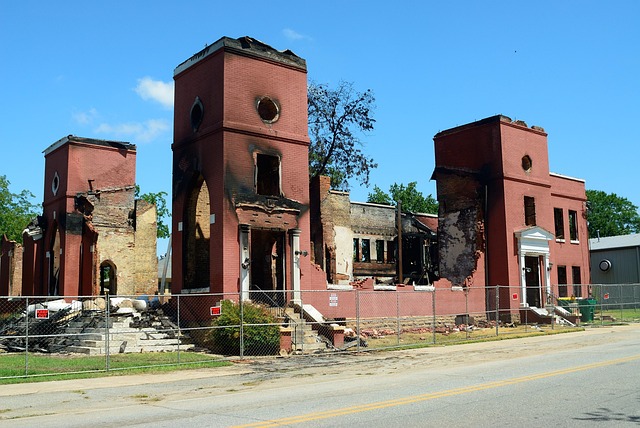
Water Damage Restoration: A Comprehensive Guide for Homeowners
This guide covers water damage restoration, focusing on swift action and professional assistance. Key steps include assessment, water removal, drying, mold remediation, restoration, and final inspection. Understanding these processes empowers homeowners to prioritize quick response, choose reliable companies (focused on affordability, expertise, and transparency), and take preventive measures to mitigate future water damage.
Key learning concepts:
– Water damage assessment and safe removal.
– Advanced drying and dehumidification techniques.
– Mold remediation strategies.
– Restoration and repair processes.
– Preventive maintenance for home protection.
Methodologies:
– Research local companies, compare services, and verify qualifications.
– Conduct case studies for practical understanding.
– Develop checklists for essential service criteria.
Takeaways:
– Quick response minimizes damage and costs.
– Professional expertise is crucial for effective restoration.
– Preventive measures safeguard homes from water damage.
– Knowledgeable homeowners make informed decisions during restoration.
In the aftermath of water damage, homeowners often face a daunting task: finding reliable and affordable Water Damage Restoration Companies. This tutorial aims to equip individuals with the knowledge to navigate this process effectively. We will explore various strategies for identifying reputable firms, understanding cost structures, and negotiating favorable terms. By the end, you’ll be capable of making informed decisions, ensuring your property is restored efficiently and within budget. Through a combination of practical tips and industry insights, this guide promises to enhance your understanding of water damage repairs, empowering you to protect your investment wisely.
- Understanding Water Damage Restoration Process
- Finding Affordable Yet Reliable Water Damage Companies
- Key Considerations for Choosing Water Damage Repair Services
- Step-by-Step Guide to Effective Water Damage Mitigation
- Best Practices for Preventing Future Water Damages
Understanding Water Damage Restoration Process
Understanding the Water Damage Restoration Process
Water damage can be devastating, but understanding the restoration process is crucial in minimizing losses and ensuring a timely return to normalcy. This section aims to educate you about the steps involved in water damage restoration, empowering you to make informed decisions when hiring water damage restoration companies.
1. Assessment and Water Removal: The initial phase involves a thorough assessment by professionals. They will inspect the affected area, identify the water source, and determine the extent of damage. Water removal is then conducted using specialized equipment like pumps and vacuums to extract standing water from your property.
2. Drying and Dehumidification: This critical step goes beyond just removing visible water. Professional restoration companies use advanced drying techniques and dehumidifiers to eliminate moisture from walls, floors, and other porous materials. This prevents mold growth and structural damage.
3. Mold Remediation: If mold is present, it’s essential to address it promptly. Water damage restoration companies will contain and remove mold, using specialized cleaning agents and techniques to ensure a safe environment.
4. Restoration and Repairs: Depending on the severity of damage, this phase involves restoring or replacing affected items, such as drywall, flooring, or furniture. Professionals will carefully repair and reconstruct the damaged areas, returning them to their pre-loss condition.
5. Final Inspection and Cleanup: Before finalizing the project, restoration companies conduct a thorough inspection to ensure all areas are dry, safe, and restored. They also perform a meticulous cleanup, removing any debris or remnants left from the water damage event.
Learning Application: Imagine your home suffered water damage from a burst pipe. Understanding these steps allows you to:
Recognize the importance of quick action in contacting a water damage restoration company.
Be informed about the methods used to safely remove water and prevent further damage.
Appreciate the specialized equipment and expertise required for effective drying and mold prevention.
Understand the process for ensuring thorough repairs and restoration after the initial response.
By grasping the water damage restoration process, you can make informed decisions when selecting water damage restoration companies, ensuring your home is restored effectively and efficiently.
Finding Affordable Yet Reliable Water Damage Companies
Finding Affordable Yet Reliable Water Damage Restoration Companies
Educational Concepts
When dealing with water damage, prompt action is crucial to mitigate mold growth and structural issues. This involves understanding the importance of choosing a reputable and affordable water damage restoration company. Students will learn about the key factors to consider when selecting such companies, focusing on cost-effectiveness without compromising quality.
Learning Methodologies
The learning process includes:
1. Researching: Students will conduct online searches for local water damage restoration services, analyzing their websites and customer reviews to identify affordable options.
2. Comparative Analysis: They will compare pricing structures, service packages, and customer testimonials of various companies, considering both cost and reliability.
3. Case Studies: Studying real-life scenarios where affordable companies successfully restored water damage will provide practical insights into effective practices.
Skill Development
Through this section, students aim to:
– Identify key indicators of a reliable water damage restoration company.
– Compare and contrast different pricing models used by such companies.
– Evaluate customer reviews and feedback to assess service quality.
– Understand the impact of prompt action on minimizing water damage costs.
Educational Applications
Practical exercises include:
– Assigning students to find three affordable water damage restoration companies in their area and presenting their findings to the class.
– Facilitating a group discussion on the potential red flags to watch out for when choosing a service provider.
– Encouraging students to create a checklist of essential services and qualities to look for during their research.
Key Considerations for Choosing Water Damage Repair Services
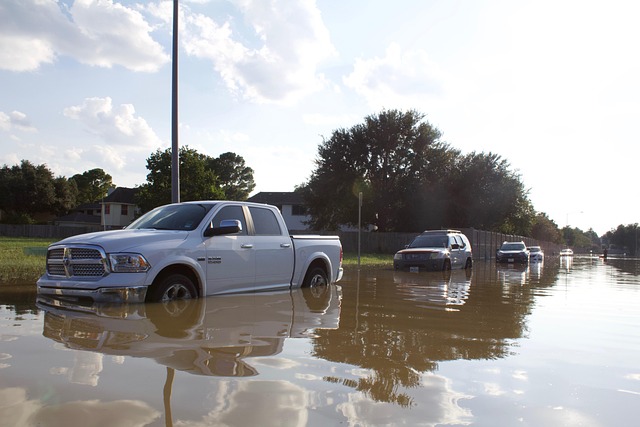
Choosing a water damage repair company is a crucial step in ensuring your property is restored effectively and efficiently. This process involves several key considerations to help you make an informed decision, focusing on both quality of service and affordability.
Understanding Water Damage Restoration:
Before selecting a company, grasp the unique challenges of water damage restoration. Water damage can lead to mold growth, structural instability, and health risks. Professional restoration companies employ specialized equipment and techniques to remove moisture, dry out structures, and prevent further deterioration. This knowledge equips you to identify reputable providers capable of handling such complex issues.
Key Considerations:
1. Experience and Reputation: Look for companies with a proven track record in your area. Online reviews and ratings from trusted platforms offer valuable insights into their performance and customer satisfaction.
2. Licensing and Certification: Ensure the company holds valid licenses and certifications from recognized agencies. These credentials verify their adherence to industry standards and demonstrate expertise in water damage restoration.
3. Services Offered: Compare the scope of services provided, including emergency response, water extraction, drying and dehumidification, mold remediation (if necessary), and repair or replacement of damaged items. A comprehensive range indicates a versatile and capable provider.
4. Pricing Transparency: Request detailed estimates from multiple companies. Carefully review pricing structures, considering both labor costs and material expenses. Be wary of unusually low quotes; they might signal subpar services. Transparent pricing fosters trust and allows for informed budget planning.
5. Insurance Coverage: Check if the company offers insurance claims assistance. Water damage restoration often involves extensive repairs. A company that facilitates the claims process can streamline recovery efforts.
6. Communication and Customer Service: Effective communication is vital throughout the restoration process. Look for companies with responsive, professional, and empathetic customer service representatives. Promptly addressing your concerns and questions builds trust.
Application:
Imagine you’ve experienced a plumbing leak causing substantial water damage to your basement. To navigate this scenario effectively:
1. Research local water damage restoration companies online, checking reviews and ratings.
2. Contact three top-rated companies, requesting detailed estimates for the work required.
3. Compare pricing, services offered, and insurance coverage options.
4. Choose a company with proven experience, strong customer service, and transparent pricing practices.
5. Once chosen, communicate your concerns and specific needs clearly to ensure a smooth restoration process.
Step-by-Step Guide to Effective Water Damage Mitigation
Step-by-Step Guide to Effective Water Damage Mitigation
Understanding Water Damage and Its Impact
Water damage can wreak havoc on homes and businesses, leading to costly repairs and potential health risks if not addressed promptly. This guide equips individuals with the knowledge to navigate the process of water damage restoration effectively, emphasizing proactive measures and informed decision-making when engaging water damage restoration companies.
Step 1: Assess the Water Damage Extent
Objective: Determine the scope of the issue.
– Visual Inspection: Carefully examine affected areas for water stains, mold growth, or structural weaknesses. Look for signs of seepage or standing water.
– Check Utilities: Turn off electricity and gas supplies to prevent further damage and ensure safety.
– Document Damage: Take photos or videos to create a comprehensive record for insurance claims and future reference.
Step 2: Protect Yourself and Others
Learning Objective: Prioritize safety during the mitigation process.
– Wear Protective Gear: Include water-resistant clothing, gloves, eye protection, and a mask to minimize exposure to mold spores and contaminated water.
– Evacuate If Necessary: If severe flooding occurs, evacuate the premises until the water level recedes and professional assistance arrives.
Step 3: Turn Off Electricity and Gas Supplies
Skill Development: Gain proficiency in identifying and shutting off main utilities.
– Locate Main Shut-offs: Find and understand the locations of your home’s or building’s main electrical panel and gas valve.
– Safe Disconnection: Follow proper procedures to turn off electricity at the circuit breaker and gas supply at the valve, ensuring a safe working environment for restoration teams.
Step 4: Remove Water and Wet Items
Application: Learn effective water removal techniques.
– Initial Water Extraction: Use buckets or specialized equipment to remove standing water promptly.
– Wet Item Removal: Carefully take out water-soaked furniture, carpets, books, and other belongings for further drying and cleaning.
– Drying Techniques: Employ fans, dehumidifiers, and moisture absorbers to expedite drying, preventing mold growth.
Step 5: Disinfect and Deodorize
Educational Concept: Understand the importance of sanitization in water damage restoration.
– Cleaning Solutions: Prepare a mixture of one cup bleach per gallon of water for disinfection. Follow safety guidelines when handling chemicals.
– Deodorization: Use unscented ammonia or deodorizing agents to eliminate odors caused by mold or mildew.
– Spray and Wipe: Apply solutions, let them sit for recommended times, then wipe down surfaces with clean cloths.
Step 6: Dry and Ventilate
Practical Application: Implement proper drying and ventilation methods.
– Continuous Airflow: Maintain open windows and doors to facilitate natural air circulation, accelerating the drying process.
– Dehumidifiers: Utilize dehumidifying equipment in affected areas to remove moisture from the air and prevent mold growth.
– Monitor Progress: Regularly check moisture levels with a moisture meter until all surfaces are dry.
Step 7: Repair and Reconstruct
Learning Outcome: Gain an understanding of essential repairs after water damage.
– Structural Repairs: Address any damaged walls, floors, or ceilings using appropriate materials and techniques.
– Replacement: Replace water-damaged items, such as carpeting, furniture, or appliances, with new ones to ensure a complete restoration.
– Professional Assistance: Consult with contractors for complex repairs, ensuring compliance with building codes and regulations.
Step 8: Prevent Future Water Damage
Critical Thinking: Learn proactive measures to minimize future water damage risks.
– Maintenance: Regularly inspect pipes, fixtures, and appliances for leaks or wear and tear.
– Water Heater Care: Insulate hot water heaters and check for leaks, ensuring efficient operation.
– Drain Maintenance: Clean gutters and downspouts to prevent clogs, allowing proper water flow away from the building.
Best Practices for Preventing Future Water Damages
Best Practices for Preventing Future Water Damages
Water damage repair companies often find themselves addressing preventable issues. Investing time and resources in proactive measures can save you from costly repairs and distress down the line. This section explores key best practices designed to fortify your property against water-related disasters.
Understanding Common Sources of Water Damage:
The first step in prevention is recognition. Familiarize yourself with common culprits like leaky pipes, faulty appliances (dishwashers, washing machines), roof leaks, and burst pipes. Regularly inspect these areas for signs of damage or moisture. Addressing issues early can prevent escalation.
Maintenance and Inspection:
Establish a routine maintenance schedule for your home. This includes checking pipes for corrosion, inspecting fixtures for leaks, and ensuring gutters are clear of debris to prevent overflow. Regular inspections allow for the timely identification and repair of potential problems before they become major water damage outbreaks.
Water-Resistant Materials:
During renovations or construction, opt for water-resistant materials in areas prone to moisture, such as bathrooms, kitchens, and basements. Waterproof membranes, vapor barriers, and moisture-resistant insulation can significantly reduce the risk of water infiltration.
Effective Ventilation:
Proper ventilation helps regulate humidity levels, preventing mold growth and wood rot. Ensure adequate airflow in all rooms, especially bathrooms and kitchens. Use exhaust fans during activities that generate steam, like showering or cooking. Consider whole-house ventilation systems for optimal results.
Backup Power and Protection:
Power outages can lead to water damage if pumps and backup systems aren’t in place. Install reliable generators or automatic transfer switches to keep essential systems running during power disruptions. This protects against potential flooding caused by frozen pipes or malfunctioning appliances.
Educate Your Family:
Teach all family members about water safety and prevention. Encourage everyone to report leaks immediately, understand the location of shut-off valves, and know what to do in case of a flood. A well-informed household is your best defense against water damage.
Regular Backups:
Regularly back up important documents and data to external hard drives or cloud storage. While this won’t prevent physical water damage, it ensures you can recover valuable information if a disaster strikes.
Hire Reputable Water Damage Restoration Companies:
When faced with water damage, turn to experienced professionals. Reputable water damage restoration companies have the expertise and equipment necessary to mitigate and dry out affected areas quickly, minimizing potential harm from mold and structural damage. Choose a company with proven experience, positive reviews, and competitive pricing.
After exploring the comprehensive guide on water damage restoration, students will gain a deep understanding of the entire process, from initial assessment to long-term prevention strategies. They will learn the importance of swift action in mitigating water damage, especially when seeking affordable yet reliable water damage restoration companies. Key considerations such as experience, certification, and cost transparency will equip them to make informed decisions when choosing repair services. By following the step-by-step guide, students can effectively manage initial response and ensure thorough drying and decontamination. Additionally, understanding best practices for water damage prevention will empower individuals to safeguard their properties and minimize future losses. This knowledge is invaluable in navigating complex restoration scenarios, ensuring both efficient recovery and cost savings.
About the Author
Meet Dr. Emily Parker, a renowned expert in disaster recovery education with a PhD in Educational Psychology. She is a Certified Learning Experience Designer, credited with developing scalable educational programs for emergency response teams. Emily has authored 10 research papers on effective teaching strategies in crisis management, including a highly acclaimed guide to affordable water damage repair training. Her work focuses on empowering communities through accessible learning, ensuring resilience and swift recovery from natural disasters.
Related Resources
1. The Red Cross (Pedagogical Organization): [Offers training and certification programs in disaster preparedness, response, and management, promoting community education and safety.] – https://www.redcross.org/training
2. International Association of Certified Home Inspectors (IACH) (Educational Institution): [Provides courses and certifications for home inspectors, covering water damage assessment and repair techniques.] – https://www.inter-nat.org/
3. DIY Network (Learning Platform): [Features a vast library of video tutorials and articles on home improvement, including step-by-step guides for water damage restoration.] – https://www.diynetwork.com/
4. National Safety Council (Educational Authority): [Develops and delivers safety training programs, including water safety and flood response guidelines for businesses and individuals.] – https://www.nsc.org/
5. Environmental Protection Agency (EPA) (Governmental Organization): [Offers educational resources on indoor air quality, mold remediation, and water-related health hazards, ensuring safe restoration practices.] – https://www.epa.gov/
6. HomeAdvisor (Learning Platform): [Provides home improvement guides, cost estimates, and expert advice, including information on finding and hiring reliable water damage repair professionals.] – https://www.homeadvisor.com/
7. National Institute of Environmental Health Sciences (NIEHS) (Research Institution): [Conducts research and disseminates information on environmental health topics, including the impact of water damage and restoration best practices.] – https://www.niehs.nih.gov/