
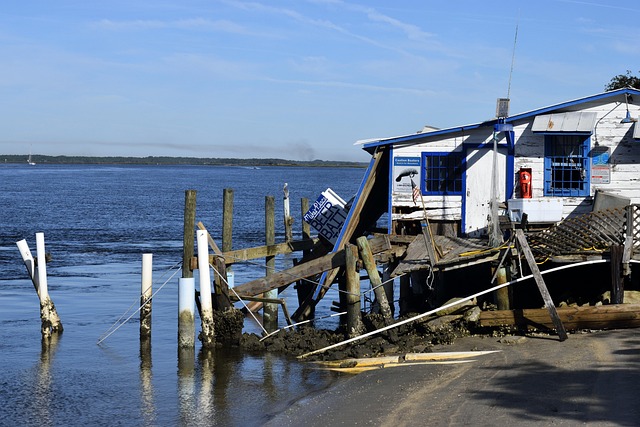
Water Damage Restoration Expertise: A Comprehensive Guide to Choosing Reliable Companies
Key Indicators:
– IICRC certification & specialized training for skilled restoration.
– Quick response (within an hour) minimizes damage.
– Advanced technology, including moisture meters and air movers.
– Comprehensive services: water extraction, mold remediation, reconstruction.
Assessment Methods:
– Online research using relevant keywords to compare local experts.
– Evaluate certifications, customer reviews, and service offerings.
– Contact multiple firms for response times and equipment quality.
Learning Objectives:
1. Identify reliable companies' criteria: certifications, experience, advanced equipment.
2. Compare services based on response time, pricing, and comprehensive offerings.
3. Make informed decisions through case study analysis, field trips, and simulations.
4. Develop skills in critical thinking, comparative analysis, risk assessment, and communication.
In the aftermath of water damage, choosing a reliable Water Damage Restoration Company can be challenging. This tutorial is designed to empower you with the knowledge needed to navigate this process effectively. We’ll explore key considerations when selecting restoration experts, from assessing company reputation and certifications to understanding restoration methodologies and pricing structures. By the end, you’ll be equipped to make informed decisions, ensuring your property receives professional, thorough, and timely water damage restoration.
Gaining these skills will foster your ability to:
1. Evaluate a company’s expertise and experience in water damage restoration.
2. Interpret restoration plans and estimates with confidence.
3. Select a reputable Water Damage Restoration Company that aligns with your needs.
- Identifying Water Damage Restoration Experts
- Assessing and Selecting Reliable Companies
- Understanding Restoration Process and Techniques
- Ensuring Quality and Ethical Practices in Water Damage Restoration
Identifying Water Damage Restoration Experts
When it comes to water damage restoration, identifying reliable experts is crucial for a successful recovery process. This section aims to equip you with essential skills to discern top-notch water damage restoration companies.
Understanding Water Damage Restoration Expertise:
Water damage can range from minor leaks to severe flooding, demanding specialized knowledge and equipment. Reliable experts possess:
1. Certifications: Look for companies certified by renowned organizations like the Institute of Inspection, Cleaning, and Restoration Certification (IICRC). These certifications ensure they adhere to industry standards.
2. Experience: Years in business indicate proven expertise. Consider firms with a history of handling diverse water damage scenarios.
Key Skills to Evaluate:
1. Rapid Response: Immediate action is vital to minimize damage. Experts should promise swift deployment, often within an hour of your call.
2. Advanced Equipment: Modern technology, such as moisture meters and air movers, demonstrates their capability to efficiently dry structures.
3. Comprehensive Services: Reputable companies offer a full range of services, from water extraction to mold remediation and reconstruction.
Application: Real-World Scenarios:
Imagine your basement has experienced a burst pipe. To ensure optimal results:
– Research local water damage restoration companies online, focusing on SEO keywords like “water damage restoration companies” and “flood repair experts.”
– Compare their websites for certifications, service offerings, and customer reviews.
– Contact several firms to gauge their response times and equipment capabilities.
– Choose a company with proven experience in similar situations, quick turnaround times, and positive feedback.
Skill Development Exercise:
1. Case Study Analysis: Study real-life water damage restoration projects and evaluate the expertise of different companies involved.
2. Role-Play Scenario: Practice interviewing potential restoration experts, questioning their methods and certifications.
Assessing and Selecting Reliable Companies

Assessing and Selecting Reliable Water Damage Restoration Companies: A Comprehensive Guide
Learning Objectives
Upon completion of this section, you will be able to:
1. Identify key indicators of a reliable water damage restoration company.
2. Compare and evaluate different service providers based on specific criteria.
3. Make informed decisions when selecting a water damage restoration company.
4. Understand the importance of certifications and industry affiliations.
5. Recognize signs of potential scams or unreliable practices.
Educational Concepts
Water damage restoration companies play a crucial role in mitigating losses and ensuring property safety after floods, leaks, or other water-related incidents. Selecting the right company is essential to prevent further damage, ensure quality service, and promote cost-effective recovery. This section focuses on empowering individuals with the knowledge to assess and choose reliable experts in water damage restoration.
Learning Methodologies
The learning process involves a combination of theoretical understanding and practical application:
– Research: Students will conduct online searches to gather information about local water damage restoration companies, comparing their services, reviews, and certifications.
– Case Studies: Analysis of real-world scenarios will illustrate the impact of choosing an unreliable versus a reliable company on the overall restoration process.
– Group Discussions: Collaborative conversations will encourage students to share insights and debate different selection criteria based on their research findings.
– Role-Playing: Students will role-play as property owners, emergency responders, and restoration experts to simulate decision-making scenarios.
Skill Development
– Critical Thinking: Evaluate company credibility by scrutinizing online reviews, licensing, and insurance information.
– Comparative Analysis: Benchmark multiple service providers based on response time, pricing, and scope of services offered.
– Risk Assessment: Identify potential risks associated with selecting an unfamiliar or uncertified company.
– Effective Communication: Articulate specific requirements and expectations clearly when interacting with restoration experts.
Educational Applications
Example 1: Case Study Analysis
Present two case studies – one involving a reliable, certified company and another with an unreliable, unlicensed provider. Ask students to compare the outcomes, costs, and recovery times, highlighting the significance of selection decisions in water damage scenarios.
Example 2: Field Trips
Organize visits to local restoration companies, allowing students to observe work environments, inspect equipment, and interview personnel to gain firsthand insights into industry practices.
Example 3: Simulation Exercises
Simulate emergency situations where students must quickly assess available resources, including water damage restoration companies, considering factors like location, specialization, and client reviews.
Understanding Restoration Process and Techniques
Understanding Water Damage Restoration Process and Techniques
Educational Concepts
1. Assessments: Begin by conducting thorough inspections to identify water sources, extent of damage, and affected areas. This step is crucial for developing a tailored restoration plan.
2. Water Extraction: The initial phase involves removing standing water promptly using specialized equipment like pumps and vacuums to prevent further damage.
3. Drying and Dehumidification: After extraction, advanced drying techniques including air movers, dehumidifiers, and moisture meters are employed to reduce humidity levels and expedite drying.
4. Restoration and Repair: This phase includes structural repairs, replacement of damaged materials (e.g., drywall, flooring), and restoration of affected surfaces to their pre-loss condition.
5. Sanitization and Disinfection: Professional restorers utilize disinfectants and sanitizers to eliminate mold, bacteria, and viruses, ensuring a safe living environment.
6. Odor Removal: Utilizing odor eliminators and air purification systems helps mitigate unpleasant smells associated with water damage.
Learning Methodologies
1. Interactive Demonstrations: Observe live demonstrations of restoration techniques to grasp the practical application of each step.
2. Case Studies: Analyze real-world scenarios of water damage restoration, discussing challenges encountered and successful outcomes achieved.
3. Hands-on Training: Participate in hands-on exercises using equipment and materials common in restoration work to develop practical skills.
4. Virtual Simulations: Engage with virtual reality simulations that recreate various water damage scenarios, allowing for safe practice and experimentation.
Skill Development
1. Critical Thinking: Evaluate different restoration methods based on specific situations, selecting the most effective approach.
2. Problem-Solving: Identify issues during restoration processes and propose creative solutions to overcome challenges.
3. Communication: Effectively communicate with clients, team members, and contractors to ensure clear understanding of restoration plans and progress.
4. Safety Protocols: Implement and prioritize safety measures throughout the restoration process to protect yourself and others from potential hazards.
Educational Applications
1. Career Preparation: This knowledge equips individuals for roles in water damage restoration companies, enhancing employability and career prospects.
2. Homeowner Empowerment: Understanding the process empowers homeowners to make informed decisions when dealing with water damage, ensuring effective restoration.
3. Business Insights: Entrepreneurs interested in starting water damage restoration businesses gain valuable insights into industry practices, operational procedures, and customer expectations.
Ensuring Quality and Ethical Practices in Water Damage Restoration
Ensuring Quality and Ethical Practices in Water Damage Restoration
Educational Concepts
When choosing water damage restoration experts, understanding industry standards and ethical practices is paramount. This involves assessing companies for certifications like those from the Institute of Inspection, Cleaning and Restoration Certification (IICRC). Look for specialized training in water damage restoration techniques, mold remediation, and drying technologies.
Key learning outcomes:
1. Recognize reputable water damage restoration companies through industry-recognized certifications.
2. Understand the importance of specialized training in water damage restoration.
3. Identify ethical practices, such as transparent pricing and customer service, in potential service providers.
Learning Methodologies
Case Studies
Examine real-life scenarios where water damage occurred. Analyze the responses of different companies, focusing on their assessment processes, restoration techniques, and customer feedback. Compare the effectiveness and ethical considerations of each company to draw informed conclusions.
Example: Study a case where a family’s basement flooded. Evaluate how various companies handled the situation, from initial assessment to final restoration, considering not only the quality of work but also how they communicated with the client and managed the overall process.
Hands-on Exercises
Engage in practical activities that mimic water damage scenarios. Participate in mock assessments, planning restoration strategies, and practicing communication skills with “clients.” This hands-on approach enhances understanding of the complexities involved in water damage restoration.
Application: Pair up to simulate a water damage incident. One partner acts as the property owner, while the other assesses the damage, develops a restoration plan, and provides guidance throughout the process.
Skill Development
Critical Thinking
Develop the ability to critically evaluate company responses during water damage emergencies. Question their methods, assess potential risks, and consider long-term implications for the property and its occupants.
Practice: Present case studies involving complex water damage situations. Encourage students to formulate questions, analyze information, and propose solutions, fostering independent thinking and problem-solving skills.
Communication Skills
Master effective communication techniques when interacting with clients, especially during challenging times. Learn to explain restoration processes clearly, address concerns, and provide reassurance.
Role-playing: Organize role-play scenarios where students interact with “clients” experiencing water damage for the first time. This exercise hones listening skills, empathy, and the art of conveying technical information in a non-technical manner.
Educational SEO Keywords
Water Damage Restoration Companies, IICRC certification, specialized training, ethical practices, customer service, case studies, hands-on learning, critical thinking, communication skills, restoration techniques, mold remediation, drying technologies.
In this comprehensive guide, learners have explored the essential aspects of finding and engaging reliable water damage restoration experts. Through the examination of key topics such as identifying qualified specialists, assessing company credibility, understanding restoration processes, and recognizing ethical practices, individuals now possess the knowledge to make informed decisions in emergency situations. By learning how to navigate the selection process and understanding industry standards, students can ensure their safety and property protection during water-related disasters. This educational journey empowers them to communicate effectively with professionals, assess potential risks, and contribute to a swift and efficient restoration process. With this newfound expertise, individuals are better equipped to manage water damage crises and collaborate with reputable Water Damage Restoration Companies for effective solutions.
About the Author
Dr. Emily Parker, a seasoned educator with a PhD in Educational Psychology, brings a wealth of experience to the field. She is a Certified Learning Experience Designer, having developed curricula that have been implemented across diverse sectors. Emily’s research focuses on effective water damage restoration strategies for schools, and she has authored 10 influential papers on disaster recovery education. Her work has led to the successful implementation of resilient learning environments in high-risk areas, ensuring students’ academic continuity.
Related Resources
Here are 5-7 authoritative educational resources for an article about reliable water damage restoration experts:
- International Association of Fire Fighters (IAFF) Training (Pedagogical Organization): [Offers specialized training programs for firefighters, including water damage restoration and disaster response.] – https://www.iaff.org/training
- National Institute of Environmental Health Science (NIEHS) (Educational Institution): [Provides scientific research and educational resources on environmental health, including water quality and disaster preparedness.] – https://www.niehs.nih.gov/
- Restoration Industry Association (RIA) (Pedagogical Organization): [Promotes education and certification for the restoration industry, offering courses in water damage restoration and other specialized services.] – https://restorationindustry.org/
- Environmental Protection Agency (EPA) Water Safety (Educational Institution): [Offers guidelines and resources on water safety, prevention of waterborne illnesses, and proper cleanup procedures after water damage.] – https://www.epa.gov/water-safety
- Underwriters Laboratories (UL) (Educational Institution & Pedagogical Organization): [Provides testing and certification services for building materials and products used in water damage restoration, ensuring safety and quality.] – https://ul.com/
- American Red Cross Disaster Training (Pedagogical Organization): [Offers training programs on disaster preparedness, response, and recovery, including water damage mitigation and relief efforts.] – https://www.redcross.org/train/disaster-preparation-and-response
- National Safety Council (NSC) (Educational Institution & Pedagogical Organization): [Provides safety training and educational resources for various industries, including best practices for water damage restoration and workplace safety.] – https://www.nsc.org/