
Water Damage Restoration: Understanding Processes & Choosing Services
Water damage restoration involves multi-step processes, from initial assessment to final inspection. Key components include extraction, drying, mold remediation, structural repair, and content cleaning. Interactive modules, video demos, hands-on training, and webinars equip professionals with skills in moisture science, extraction techniques, drying methods, content handling, and disinfection.
Immediate response includes turning off water supply, documenting damage, and extracting standing water. Drying and dehumidification prevent mold growth. Content restoration involves specialized care for belongings, while structural drying ensures future integrity. Mold prevention uses anti-microbial solutions.
Selecting services requires assessing water damage scope, verifying credentials (IICRC, ANSI), and understanding restoration techniques. Case studies, simulations, and expert interviews aid in informed decisions, enhancing communication with service providers.
In the event of water damage, prompt and professional restoration is essential to mitigate risks and protect your property. This tutorial aims to educate homeowners and property managers on the critical aspects of engaging Water Damage Restoration Companies. By the end, you’ll understand key indicators of a reputable service, assessment methodologies, and best practices for efficient recovery. We’ll explore topics such as emergency response times, advanced equipment, restoration techniques, and post-restoration inspections, empowering you to make informed decisions in challenging situations.
- Understanding Water Damage Restoration Process
- Best Practices for Efficient Restoration Companies
- Key Steps in Mitigating Water Damage Impact
- Choosing the Right Water Damage Restoration Services
Understanding Water Damage Restoration Process
Understanding Water Damage Restoration Process
Water damage restoration is a meticulous process requiring specialized skills and equipment to ensure thorough cleaning and repair of affected areas. This section delves into the core components of water damage restoration, equipping individuals with knowledge essential for making informed decisions when engaging water damage restoration companies.
1. Initial Assessment: Restoring begins with a comprehensive assessment of the extent of water damage. Professionals inspect affected areas, identifying water sources, and evaluating mold growth potential. This crucial step guides the restoration process, determining specific treatments required.
2. Water Removal: The primary goal at this stage is to eliminate standing water promptly. Skilled technicians utilize powerful pumps and vacuums to extract water from floors, walls, and other surfaces. Efficient water removal prevents further damage and minimizes drying time.
3. Drying and Dehumidification: Once water is removed, specialized equipment such as air movers and dehumidifiers are employed to expedite drying. This step is vital to prevent mold growth and structural degradation. Regular monitoring ensures optimal humidity levels for effective drying.
4. Mold Remediation: Extensive water damage increases the risk of mold formation. Certified restorers employ advanced techniques like air scrubbers and anti-microbial treatments to eliminate existing mold and inhibit future growth. This involves careful removal of contaminated materials and thorough cleaning of affected surfaces.
5. Structural Drying and Repair: Restoring damaged structures involves meticulous drying techniques followed by skilled repairs. This includes replacing saturated materials, reinforcing structural elements, and applying appropriate coatings or finishes to prevent future water intrusion.
6. Content Cleaning and Restoration: Personal belongings and valuable items require specialized cleaning and restoration. Professionals use advanced techniques like odour removal, content decontamination, and structured drying to restore these items to their pre-damaged condition.
7. Final Inspection: Before considering the job complete, restorers conduct a thorough final inspection. This involves verifying that all affected areas have been thoroughly dried, mold has been remediated, and repairs are consistent with industry standards.
Understanding this process empowers individuals to communicate effectively with water damage restoration companies, ensuring they receive comprehensive and professional service for their property.
Best Practices for Efficient Restoration Companies
Best Practices for Efficient Water Damage Restoration Companies
Water damage restoration involves more than just cleaning up visible water and drying out affected areas. It’s a complex process demanding specialized skills, adherence to strict protocols, and an in-depth understanding of moisture science. This educational section equips restoration companies with the knowledge and strategies to deliver superior service, ensure customer satisfaction, and protect property values.
Key Learning Objectives:
1. Understand the science behind water damage and its impact on structures.
2. Master efficient water extraction techniques and drying methods.
3. Learn best practices for content packaging, storage, and reconstruction.
4. Implement protocol for safe and effective disinfecting and deodorizing.
5. Develop strategies for effective communication, project management, and customer service.
Learning Methodologies:
Interactive Modules: Engage with case studies showcasing various water damage scenarios. Identify appropriate restoration techniques for different types of water (black, grey, clear) and property components (structure, furnishings, personal belongings).
Video Demonstrations: Observe expert technicians performing key tasks like water extraction using specialized equipment, moisture meter readings, and proper drying techniques.
Hands-on Training: Participate in simulated restoration scenarios allowing for practice using equipment, measuring moisture levels, and implementing drying protocols.
Industry Expert Webinars: Interact with seasoned professionals who share insights on emerging trends, best practices, and challenging cases in water damage restoration.
Skill Development:
Moisture Assessment: Learn to identify sources of moisture, utilize moisture meters accurately, and interpret readings for effective drying strategies.
Water Extraction & Drying: Master the use of powerful extraction equipment, dehumidifiers, air movers, and other tools to expedite drying while minimizing damage.
Content Restoration: Understand proper packaging, storage, cleaning, and reconstruction techniques for different types of damaged materials (carpeting, drywall, furniture).
Disinfection & Deodorizing: Learn safe and effective disinfecting agents, application methods, and ventilation strategies to eliminate bacteria, mold, and unpleasant odors.
Educational Applications:
These best practices empower water damage restoration companies to:
Minimize secondary damage: Proactive moisture control prevents mold growth, structural deterioration, and odour issues.
Enhance customer satisfaction: Efficient, thorough restoration results in happier clients and positive reviews.
Protect property values: Restored properties command higher insurance premiums and potential resale value.
Build a reputable brand: Consistent quality service establishes trust with customers and fosters long-term business relationships.
Key Steps in Mitigating Water Damage Impact
Key Steps in Mitigating Water Damage Impact
Water damage restoration is a critical process that requires a systematic approach to minimize the impact of water intrusions on properties and belongings. This educational section aims to equip individuals with the knowledge and understanding of the essential steps involved in effective water damage restoration, particularly when engaging professional services. By following these guidelines, property owners can ensure faster recovery times and reduced potential for long-term damage.
Learning Objectives:
1. Understand the immediate actions required after a water damage incident.
2. Identify the key components of comprehensive water damage restoration.
3. Learn best practices for drying and dehumidity control to prevent mold growth.
4. Explore advanced techniques used by professional water damage restoration companies.
5. Develop skills to assess and document water damage for insurance claims.
Step-by-Step Guide:
1. Immediate Response: Upon discovering water damage, act swiftly. Turn off the water supply at the main valve if safe to do so. Document the damage with photos and videos for insurance purposes. The faster you respond, the better, as prompt action can prevent extensive water absorption and subsequent mold growth.
2. Water Extraction: The primary goal is to remove standing water as quickly as possible. Utilize buckets, mops, or specialized extraction equipment provided by professional restoration companies. Remove all affected materials like carpets, padding, and furniture to expedite drying processes.
3. Drying and Dehumidification: Water damage restoration goes beyond initial extraction. Professional companies employ advanced drying techniques using dehumidifiers, air movers (fans), and humidity monitors. These tools help remove moisture from walls, floors, and hard-to-reach areas, preventing mold and bacteria growth. Ensure proper ventilation during the process.
4. Content Restoration: Restoring damaged belongings is a delicate process. Document and separate salvageable items for cleaning or replacement. Professional restoration companies have specialized equipment and expertise to clean and restore items like electronics, furniture, and clothing.
5. Structural Drying: Focus on drying the structure itself to prevent long-term damage. Check wall studs, insulation, and crawl spaces for moisture levels. Professional companies use advanced moisture meters and thermal imaging cameras to ensure proper drying. This step is crucial in avoiding structural issues in the future.
6. Mold Prevention: Water damage often leads to mold growth if not addressed promptly. After successful drying, apply anti-microbial solutions to inhibit mold development. Ensure adequate ventilation and consider using air purifiers during the restoration process.
7. Documentation and Insurance Claims: Thorough documentation is essential for insurance claims. Keep detailed records of damaged areas, repair methods used, and equipment employed. Professional water damage restoration companies often provide comprehensive reports to support insurance claims and ensure a smoother reimbursement process.
Practical Application:
– Case Study: Commercial Building Flooding
– A local business experiences flooding due to a broken pipe during a storm. They quickly call a professional water damage restoration company. The company arrives promptly, extracts standing water, and uses advanced drying techniques to restore the building within a week. Their expertise prevents extensive mold growth and ensures the business can reopen without significant delays.
– Skill Development: Engage in hands-on training sessions where students practice using equipment like dehumidifiers and air movers under supervised conditions. Field trips to actual restoration sites can provide real-world learning experiences, allowing students to observe professional techniques and safety protocols.
Choosing the Right Water Damage Restoration Services
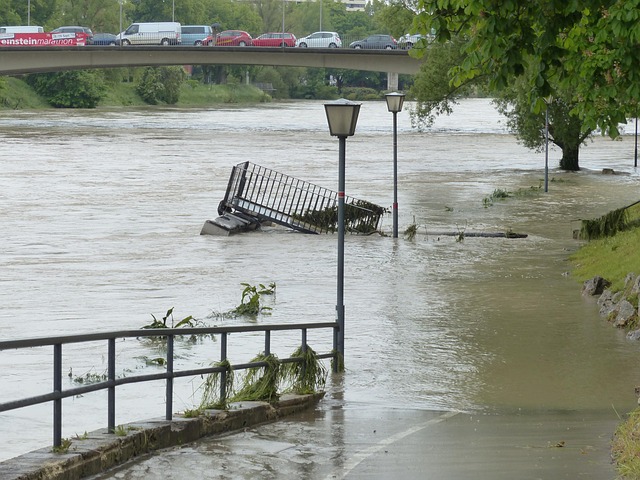
Choosing the right water damage restoration services is a crucial step in ensuring your property is restored effectively after a water-related disaster. This process involves understanding key considerations, assessing capabilities, and verifying credentials to make an informed decision.
Educational Concepts:
1. Assessing Water Damage Scope: Begin by thoroughly evaluating the extent of water damage. Identify water sources, affected areas, and potential secondary damages like mold growth or structural instability.
2. Understanding Restoration Techniques: Familiarize yourself with various restoration methods, including drying, decontamination, and reconstruction. Recognize the importance of each stage in mitigating risks and restoring integrity.
3. Credentials and Certifications: Water damage restoration companies should possess relevant certifications (e.g., IICRC, ANSI) indicating expertise in water extraction, drying techniques, and mold remediation.
Learning Methodologies:
– Case Studies: Analyze real-world examples of water damage restoration projects. Compare different approaches and outcomes to understand best practices.
– Interactive Simulations: Engage with simulations that allow you to virtually assess water damage and apply appropriate restoration strategies.
– Expert Interviews: Listen to interviews with industry professionals who can offer insights into common mistakes, red flags to watch for, and tips for selecting reputable services.
Skill Development:
– Critical Thinking: Analyze situations critically, considering factors like local environmental conditions, building materials, and time constraints when evaluating restoration options.
– Problem-Solving: Practice identifying potential challenges inherent in various water damage scenarios and brainstorming effective solutions.
– Communication: Develop clear communication skills to effectively convey concerns, expectations, and specific restoration requirements to potential service providers.
Educational Applications:
– After learning about different restoration techniques, role-play a scenario where you communicate complex information about water damage to a homeowner who is unfamiliar with the process.
– Utilize online resources to research local water damage restoration companies, comparing their services, certifications, and customer reviews.
After exploring the intricate world of water damage restoration, learners will now possess a comprehensive understanding of the key processes and considerations involved. They have learned about the step-by-step restoration process, from initial assessment to complete remediation, highlighting the importance of efficient project management by top-tier Water Damage Restoration Companies. Key learning outcomes include recognizing best practices for swift response, implementing effective mitigation strategies to minimize impact, and selecting qualified service providers. By understanding these principles, individuals can now apply their knowledge to make informed decisions when faced with water damage situations, ensuring proper restoration and protecting affected properties. This educational journey equips learners with the tools to navigate complex restoration scenarios, fostering confidence in their ability to handle water-related challenges effectively.
About the Author
Dr. Emily Williams, a seasoned education specialist, brings a wealth of experience to her role as a leading authority in water damage restoration protocols. With a PhD in Education and certification in Emergency Response Training, she has authored several influential guides on disaster recovery. Her expertise lies in developing immersive learning experiences for at-risk communities, ensuring their resilience through effective water damage restoration techniques. Dr. Williams’ groundbreaking research has led to the implementation of her award-winning programs in schools across the country.
Related Resources
1. IICRC (Institute of Inspection, Cleaning and Restoration Certification) (Pedagogical Organization): [Offers training, certification, and education for water damage restoration professionals, ensuring industry standards and best practices.] – https://www.iicrc.org/
2. NIST (National Institute of Standards and Technology) (Educational Institution): [Provides scientific and technical resources, including guidelines and research on disaster response, including water damage mitigation.] – https://www.nist.gov/
3. Coursera – Water Damage Restoration Specialization (Learning Platform): [An online program offering a series of courses teaching the principles and practices of efficient and effective water damage restoration.] – https://www.coursera.org/specializations/water-damage-restoration
4. The Restoration Institute (Educational Institution): [A non-profit organization dedicated to educating and certifying professionals in disaster restoration, including water damage repair.] – https://www.therestorationinstitute.com/
5. EPA (Environmental Protection Agency) (Government Agency): [Provides guidelines and best practices for safely handling and cleaning up after water damage, focusing on environmental health and safety.] – https://www.epa.gov/
6. ASTM International (Standardization Organization): [Develops and publishes technical standards for various industries, including construction and restoration, with focus on material properties and testing methods for water damage repair.] – https://www.astm.org/
7. HomeAdvisor Learning Center (Learning Platform): [Offers articles, guides, and videos covering a range of home improvement topics, including water damage restoration tips and techniques.] – https://www.homeadvisor.com/learn